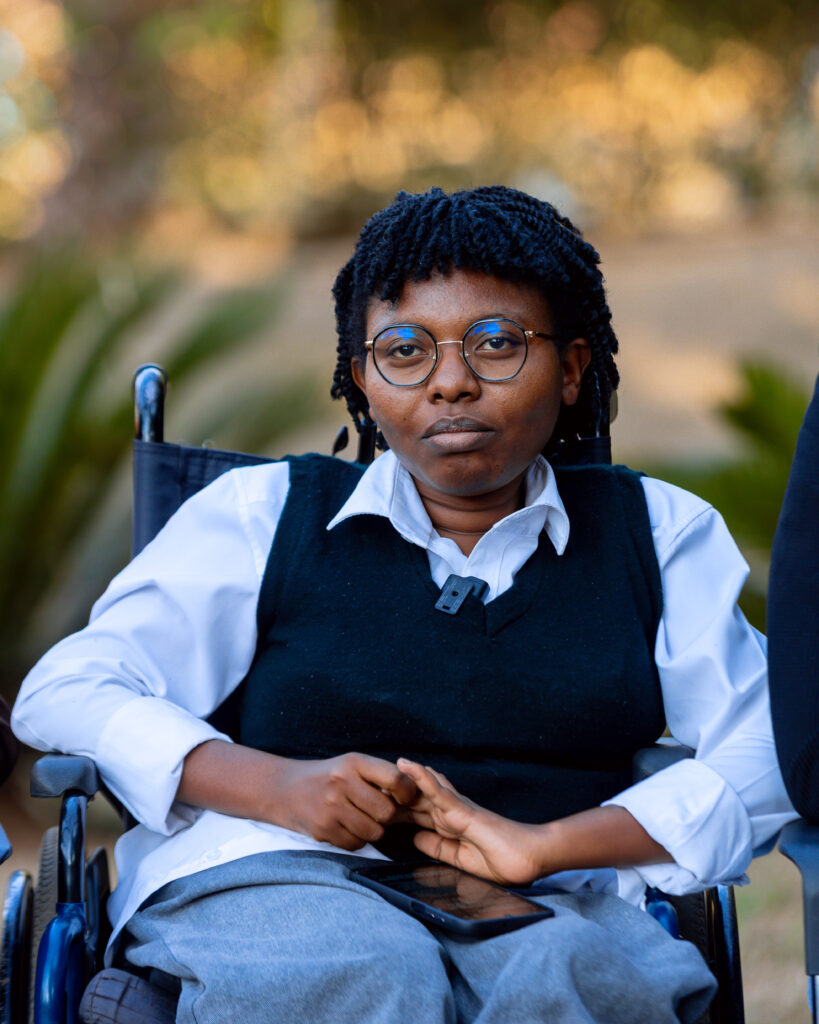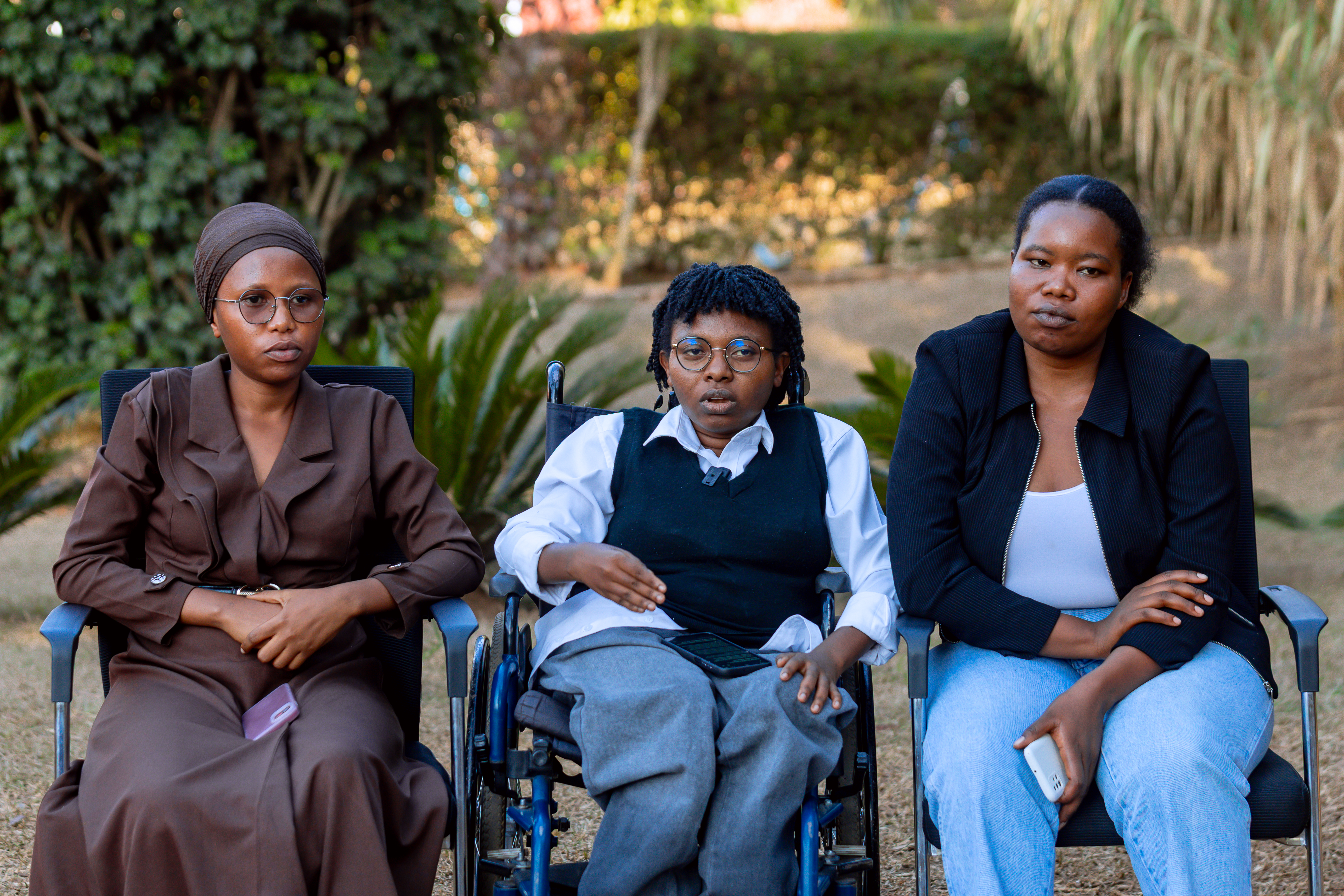






































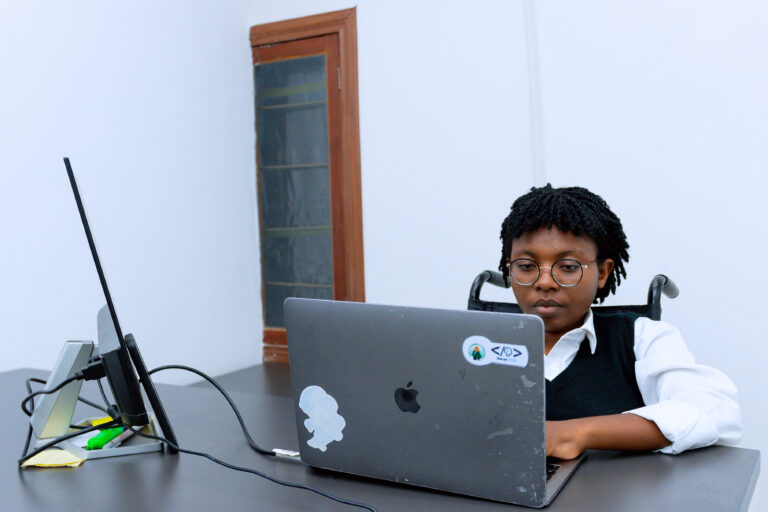







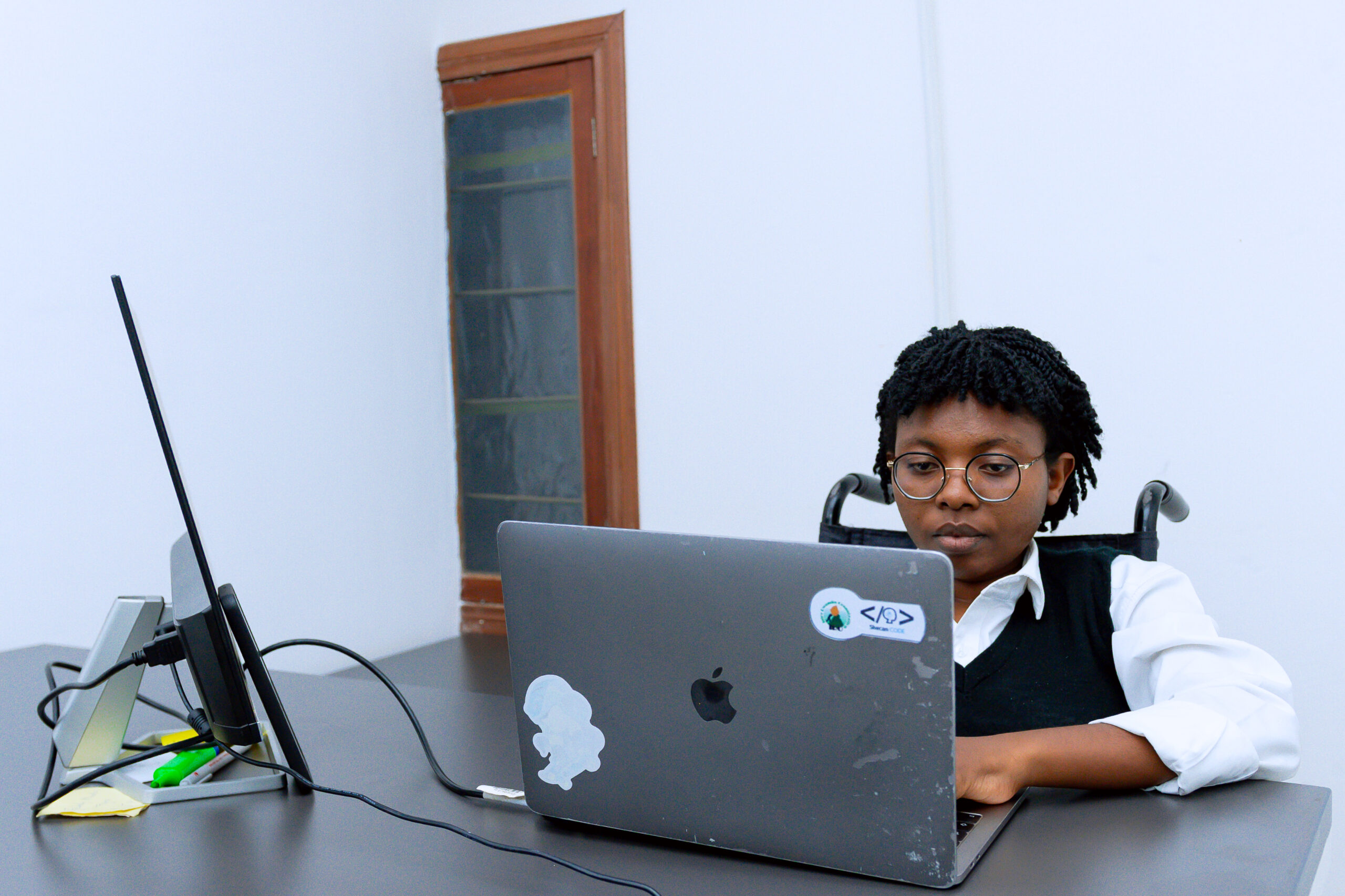
When Esther Mushimiyimana first interacted with a computer, she was already at university. Technology was unfamiliar territory, but she saw in it something bigger than just a career opportunity — she saw a tool that could solve problems affecting people like her.
Today, Esther is the founder of Vision Guard, the initiative behind E-Mboni, an artificial intelligence-powered wearable device designed to help people with visual impairments navigate their surroundings with greater safety, independence and confidence.
Her journey from a beginner with limited exposure to technology to an innovator developing assistive technology reflects how digital skills, mentorship and opportunity can turn personal challenges into solutions that benefit society.
“I was attracted to technology, but I had no experience from secondary school to university. The first time I used a laptop or computer was when I joined university,” Esther said.
She explained that her motivation came from wanting to create solutions that could improve everyday life, especially for people living with disabilities.
“I wanted something that would help me in my daily life because, as you see, I have a disability. I thought that if I learned software development, I would be able to create my own applications and build solutions,” she said.
Building a career in technology from scratch
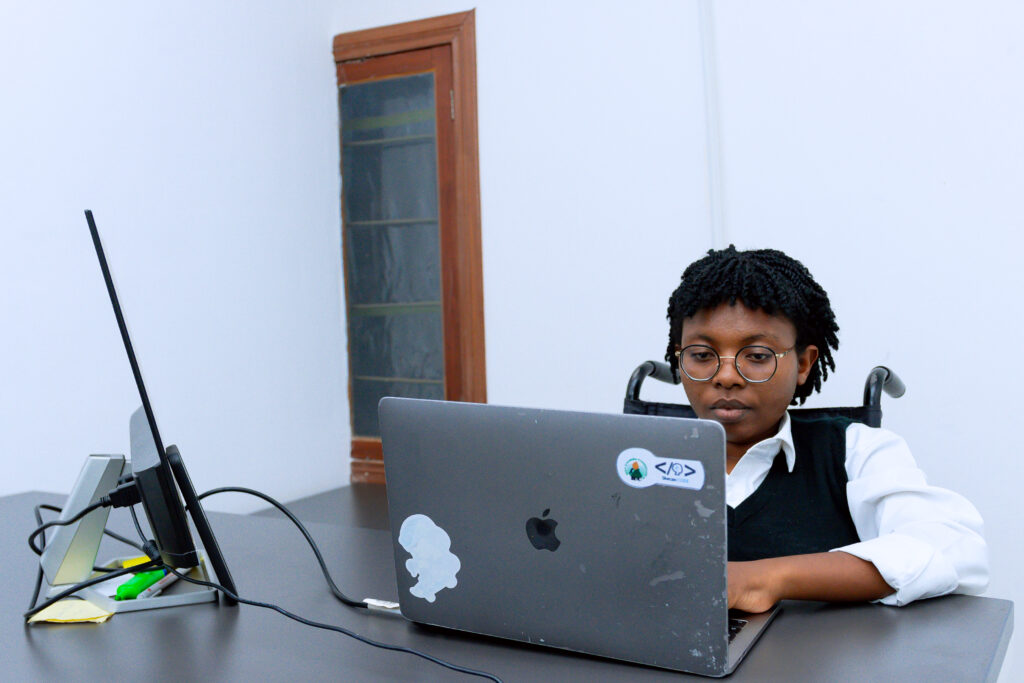
Starting a journey in software engineering was not easy for Esther. She had to learn computer skills from the beginning and overcome the challenge of entering a field she had never experienced before.
Her turning point came when she joined SheCanCODE, a programme implemented by IGIRE Rwanda Organization (IRO) that equips young women with practical software development skills, mentorship and opportunities to build technology solutions.
Esther discovered the programme through a classmate who encouraged her to apply. She joined without knowing exactly what to expect, but quickly realised she had found the environment she needed to grow.
“On the first day I joined, I realised that I belonged there. The way the facilitators improved our communication and confidence made me feel that I truly belonged,” she said.
Through SheCanCODE, Esther strengthened her technical skills and gained confidence to pursue software development as a career. IGIRE Rwanda says its programmes focus on empowering young women through technology, entrepreneurship and career development. The organisation has trained more than 2,000 young people, with graduates gaining employment opportunities or starting businesses after acquiring digital skills.
Turning a personal challenge into E-Mboni
For Esther, technology was never only about writing code. It was about solving problems that affect people’s daily lives.
Having experienced challenges related to disability, she wanted to create solutions that could improve independence for people with disabilities.
The idea behind E-Mboni came from observing the difficulties faced by people with visual impairments, particularly the challenge of knowing what is ahead of them while moving around.
“If something comes in front of your eyes and you cannot see, you do not know what is around you. You might keep walking and find yourself stuck in a hole,” Esther explained.
She and her team developed E-Mboni to help users understand their surroundings through artificial intelligence.
“We wanted people with visual impairments to be aware of what is around them. The device can detect objects or obstacles in front of them and use AI to tell them what is there,” she said.
E-Mboni is designed as a wearable smart device that can be attached to clothing and uses technology to assist users in performing everyday activities.
From an idea to an award-winning innovation
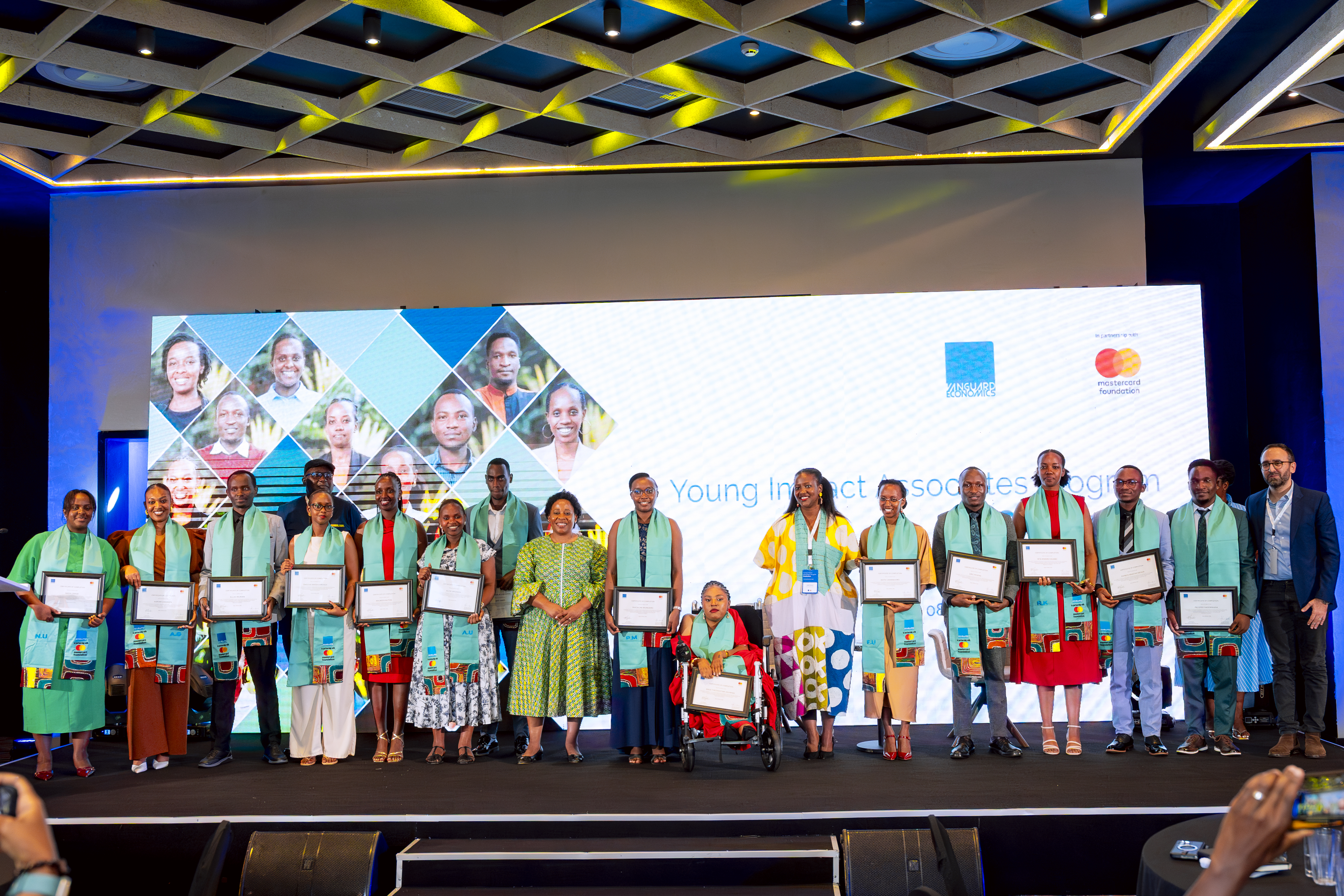
Esther’s innovation gained national recognition through the Digital Skills for Employability (DSE) Programme, where Vision Guard emerged among the top projects during the DSE Talent Connect Innovation Showcase and Awards Ceremony held in Kigali in June 2026.
The event recognised 20 young innovators who shared Rwf90 million in seed funding after developing solutions addressing challenges in healthcare, education, agriculture, business and financial inclusion.
Vision Guard received Rwf7.5 million in seed funding to continue developing E-Mboni, launch its website and work towards bringing the product to market for people with visual impairments.
For Esther, winning the award came with a bigger responsibility beyond recognition.
“After winning the competition, I realised I had responsibilities. I was no longer thinking only about myself, but also about the people who are going to use this product,” she said.
E-Mboni’s success is part of a wider effort to equip young Rwandans with digital skills and connect them to opportunities in the technology sector.
The Digital Skills for Employability (DSE) Programme is a four-year initiative aligned with Rwanda’s digital transformation goals and Mastercard Foundation’s Young Africa Works strategy.
Implemented by a consortium led by DOT Rwanda, together with partners including IGIRE Rwanda Organization, kLab and SOLVIT Africa, the programme aims to equip more than 10,000 young people with digital and entrepreneurial skills. The programme prioritises inclusion, including young women, rural youth, refugees and persons with disabilities.
Through this ecosystem, participants receive technical training, mentorship, entrepreneurship support and opportunities to transform ideas into practical solutions.