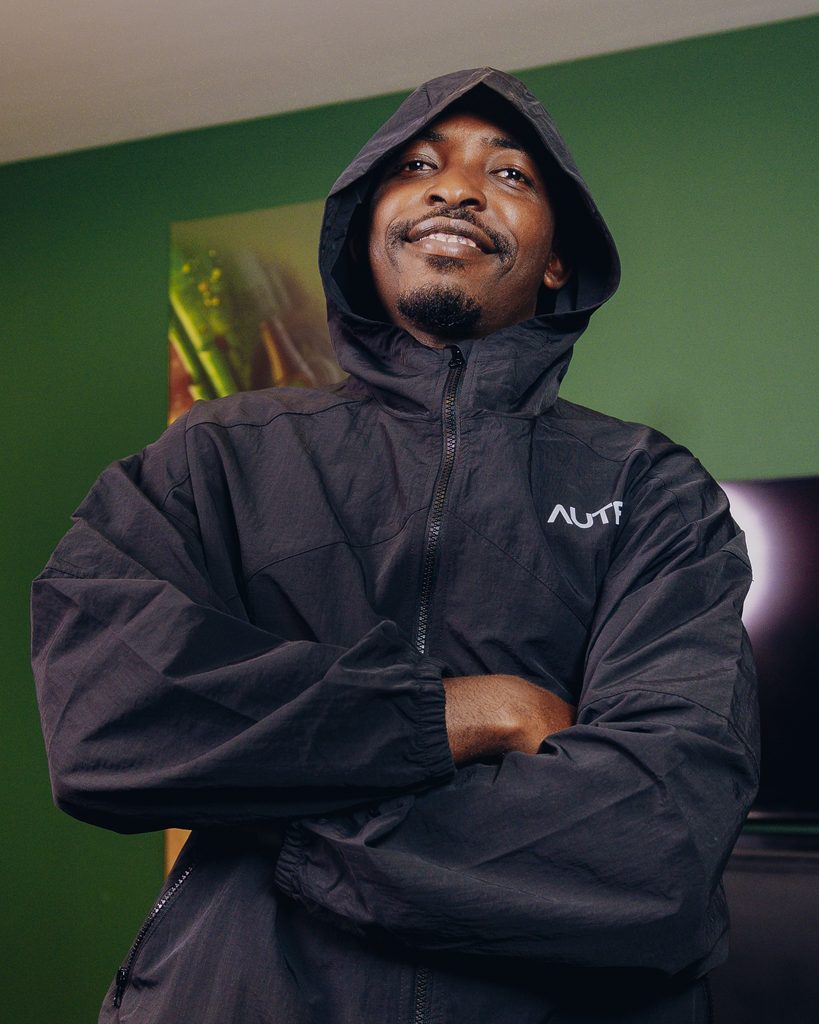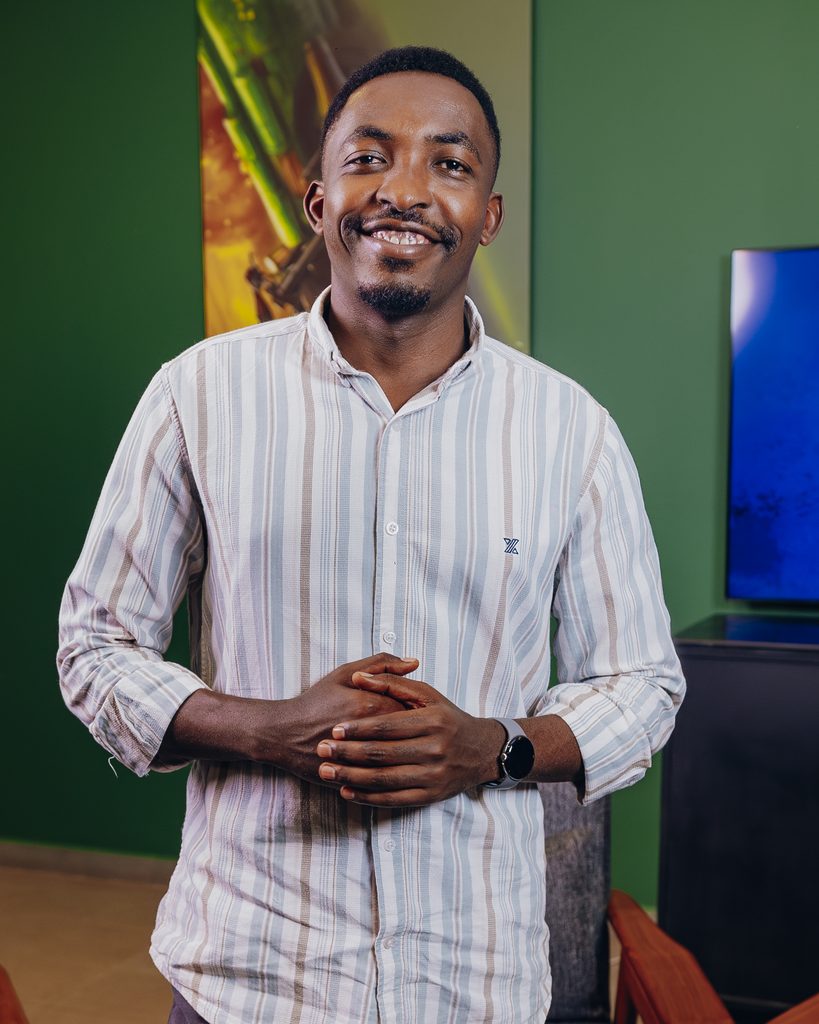
What he did not expect was that finding suitable workout clothes would eventually lead him to establish his own sportswear business.
His search for sportswear exposed a gap in the market. He could either spend time moving between shops in downtown Kigali or order from international brands whose prices were beyond the reach of many Rwandan consumers.
That experience raised a question: Why not create quality sportswear that would respond to the needs of customers like him?
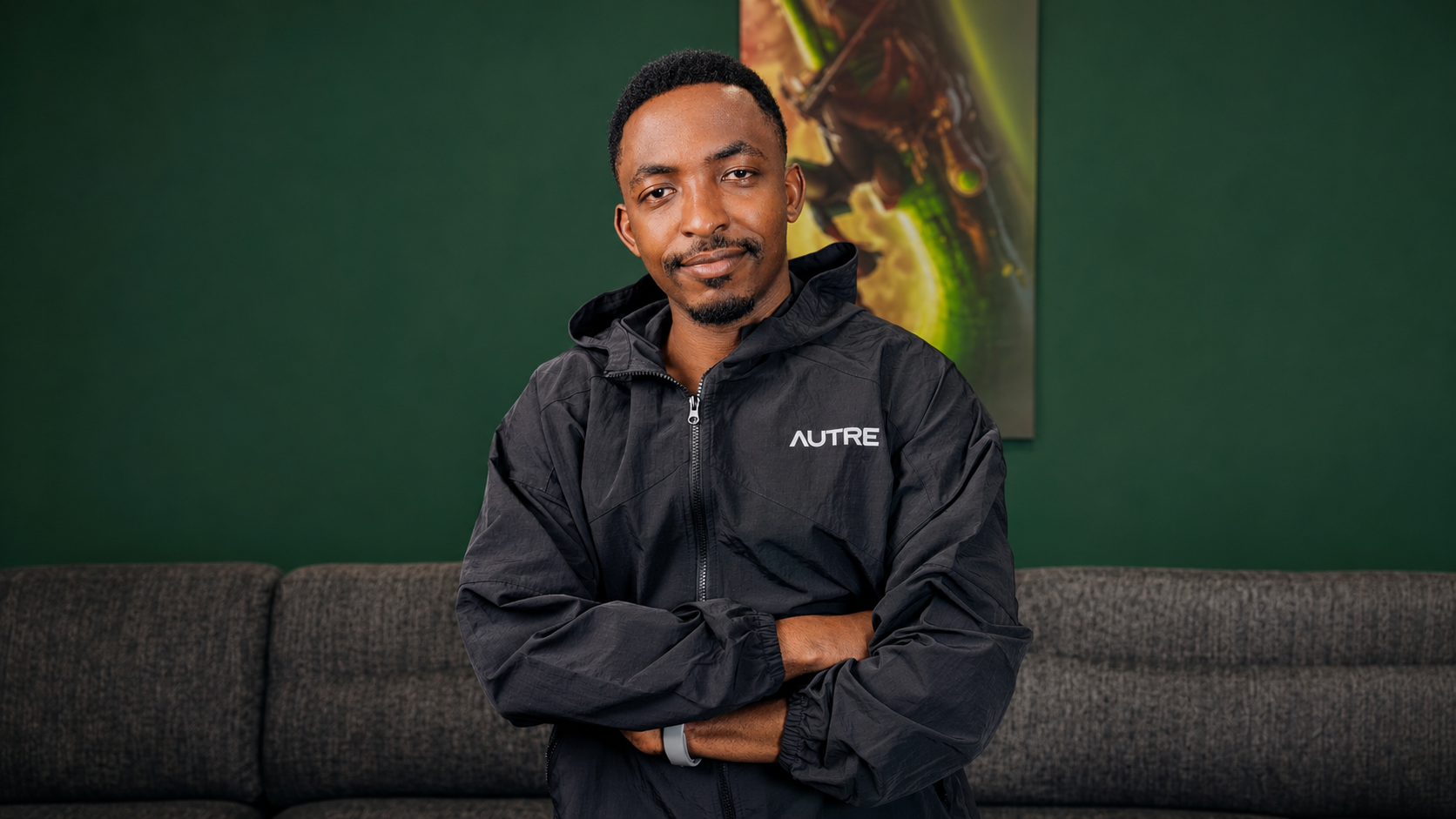
Speaking on Kura Talks, Muhire, the co-founder and CEO of Rwandan activewear brand Autre, explained how a personal challenge gradually developed into a business opportunity.
“For me, starting was more or less about finding a problem and trying to develop a solution for it,” he said.
Today, Autre produces sportswear for men and women, with ambitions extending beyond Rwanda’s borders and a long-term vision of establishing local manufacturing.
A new direction after a setback
Muhire’s interest in entrepreneurship began long before he established Autre.
Growing up, he watched his parents run small businesses to support their family. Their entrepreneurial spirit influenced his understanding of business and encouraged him to explore opportunities from a young age.
His first venture was in agricultural technology, where he worked on solutions to help smallholder farmers access markets.
However, that business closed in 2023, forcing him to reconsider his entrepreneurial journey.
During that period, an idea that had emerged from his personal fitness experience began taking shape.
Together with two university friends, Muhire decided to explore the possibility of establishing a sportswear brand.
None of them had a technical background in garment production. They had to learn about fabric selection, product design, manufacturing processes and the demands of the activewear market.
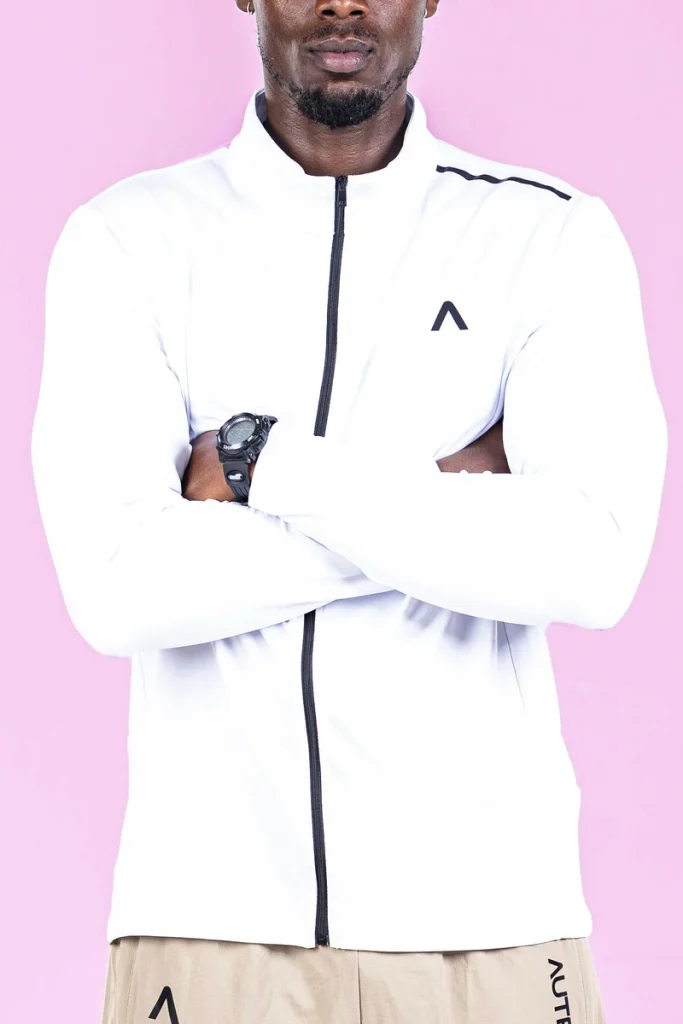
Their goal was to develop clothing that combined comfort, functionality and style, allowing customers to wear the products both during exercise and in their everyday activities.
For Muhire, the decision reflected an important principle in entrepreneurship: identifying an existing problem and developing a practical response.
Starting with just Rwf500,000
One of the most striking aspects of Autre’s journey is the amount of money its founders used to get started.
According to Muhire, the business began with an initial investment of just Rwf500,000.
Rather than waiting to accumulate enough capital to open a physical shop, the founders decided to work with the resources available.
They developed product samples, organised photoshoots with people wearing the clothes and created promotional campaigns to introduce their products to potential customers.
They also established a website and integrated payment systems to allow customers to make purchases online.
“You don’t have to wait to have big capital to start. Just start,” Muhire said, encouraging young entrepreneurs to take the first step even when resources are limited.
The preparation process took almost a year before Autre officially launched in May 2024.
The business received its first customer approximately a month later, a milestone that Muhire recalled with excitement.
His experience reinforced his belief that entrepreneurs should not wait until every condition is perfect before beginning.
“If we had waited for everything to get in line, we wouldn’t have started,” he said.
For Muhire, launching with limited resources also meant accepting that mistakes would be part of the process.
The founders needed to test their products, understand customer preferences and continuously improve their operations.
His advice to young people is therefore not to abandon their ambitions simply because they lack significant financial resources or technical expertise.
Instead, he encourages them to begin with what they have and acquire additional skills along the way.
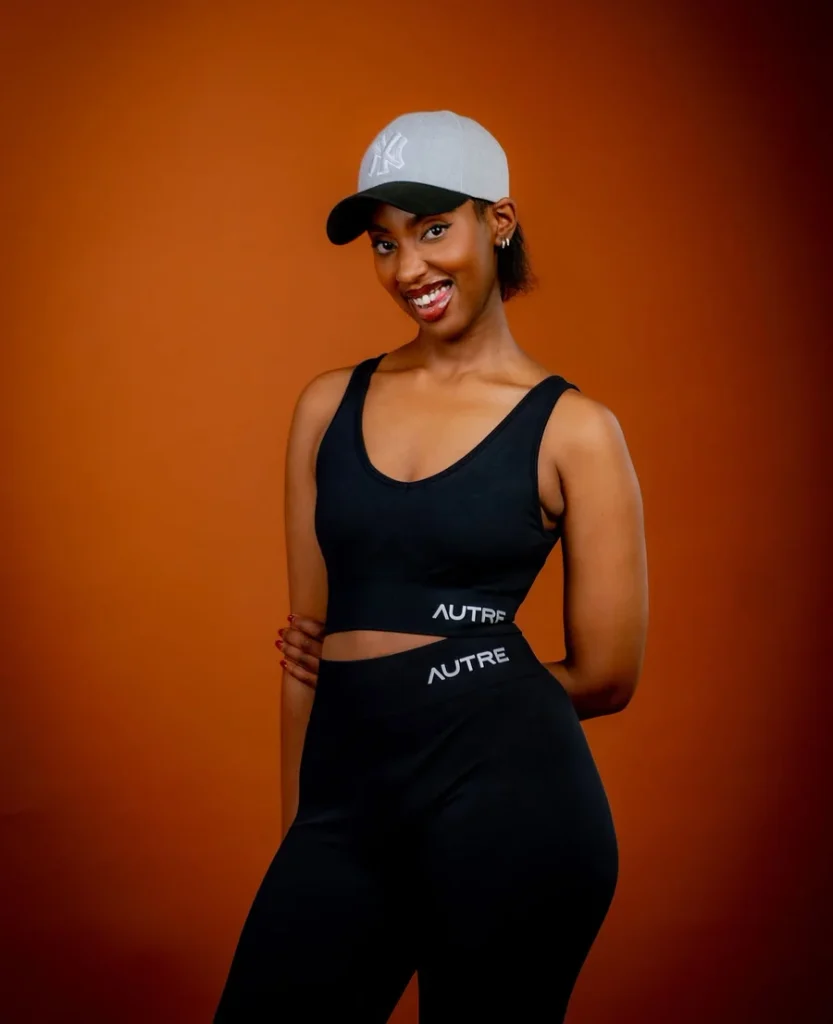
‘We don’t sell clothes, we sell an idea’
Although Autre operates in the fashion and sportswear industry, Muhire believes the brand represents something bigger than clothing.
“We don’t sell clothes, we sell an idea,” he said.
That idea centres on encouraging people to embrace active lifestyles, invest in their well-being and develop confidence in themselves.
The company’s slogan, “Be Different, Be Autre,” reflects its ambition to establish an identity that goes beyond conventional sportswear.
Muhire explained that building a successful brand requires more than manufacturing attractive products.
The founders must also consider how customers interact with the business, from their first encounter with the brand to the moment they receive their orders.
“For us, customer service is as important as the product itself,” he said.
However, maintaining that experience while offering quality products at accessible prices remains a challenge.
Muhire acknowledged that pricing requires careful consideration, particularly in a market where purchasing power varies significantly.
He believes businesses must understand their target customers and develop products that respond to their needs without compromising the standards they have established.
For Autre, quality remains one of the team’s central priorities.
Despite the progress made since its establishment, Muhire does not consider the company a finished success story.
He sees entrepreneurship as a continuous journey of experimentation, learning and improvement.
The ambition to manufacture in Rwanda
Beyond establishing a recognisable sportswear brand, Muhire wants Autre to contribute to Rwanda’s economic development.
At the time of the Kura Talks interview, he said the business directly employed approximately 10 people.
He also emphasised that the economic contribution of a company should not be measured only by its direct employees, but also by the opportunities it creates for people involved in its supply chain and operations.
One of his biggest ambitions is to eventually manufacture Autre products in Rwanda.
Achieving that goal would require developing the necessary production capacity while maintaining the quality standards associated with the brand.
For Muhire, local manufacturing presents an opportunity to create employment, strengthen domestic production and develop products that respond to the preferences of African consumers.
He believes young entrepreneurs have a responsibility to consider how their businesses can contribute to the wider economy.
“How do we young people contribute to the economy and create a safer future for the rest of the young people?” he asked.
“That’s the task we have at hand.”
His vision is therefore not limited to growing Autre as a commercial brand. He also wants the business to demonstrate what young entrepreneurs can contribute to Rwanda’s manufacturing industry.
Passion alone is not enough
Reflecting on his journey, Muhire emphasised that having a business idea or being passionate about a particular industry does not automatically guarantee success.
Entrepreneurs must also develop the skills necessary to manage their businesses, understand customers and transform ideas into commercially viable products.
He encouraged aspiring entrepreneurs to seek mentorship, participate in business development programmes and learn from people with experience in their respective industries.
Muhire also highlighted the contribution of initiatives such as Creative DNA Rwanda, which support entrepreneurs operating in creative industries.
His own experience demonstrates the importance of combining ambition with practical action.
From an unsuccessful agricultural technology venture to launching a sportswear company with Rwf500,000, his journey has involved setbacks, experimentation and continuous learning.
For young Rwandans considering entrepreneurship, Muhire’s message remains straightforward.
“You don’t have to wait to have big capital to start. Just start.”
And as he reflected on the decision to launch Autre despite the challenges, he offered another reminder of the importance of taking action.
“If we had waited for everything to get in line, we wouldn’t have started.”