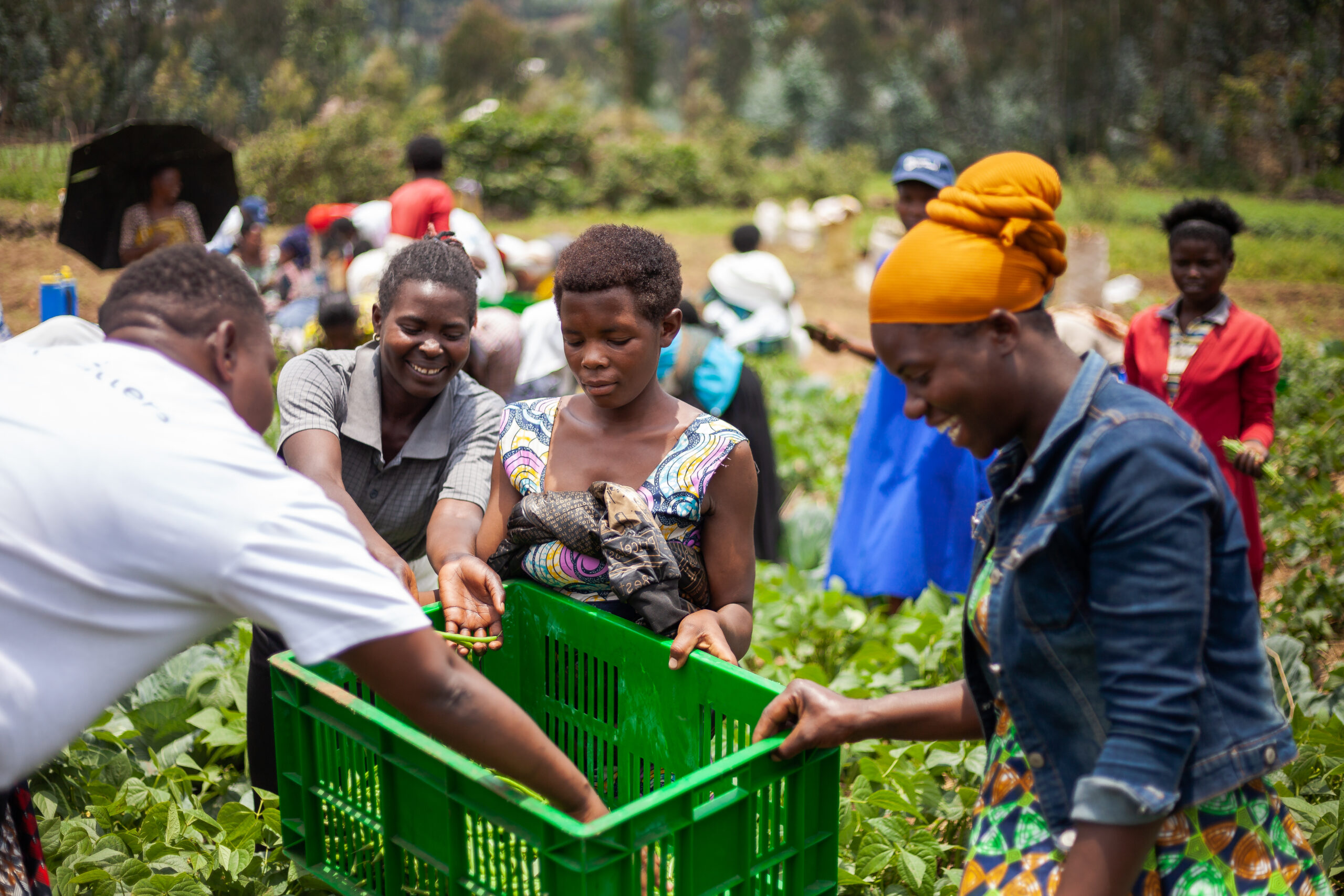


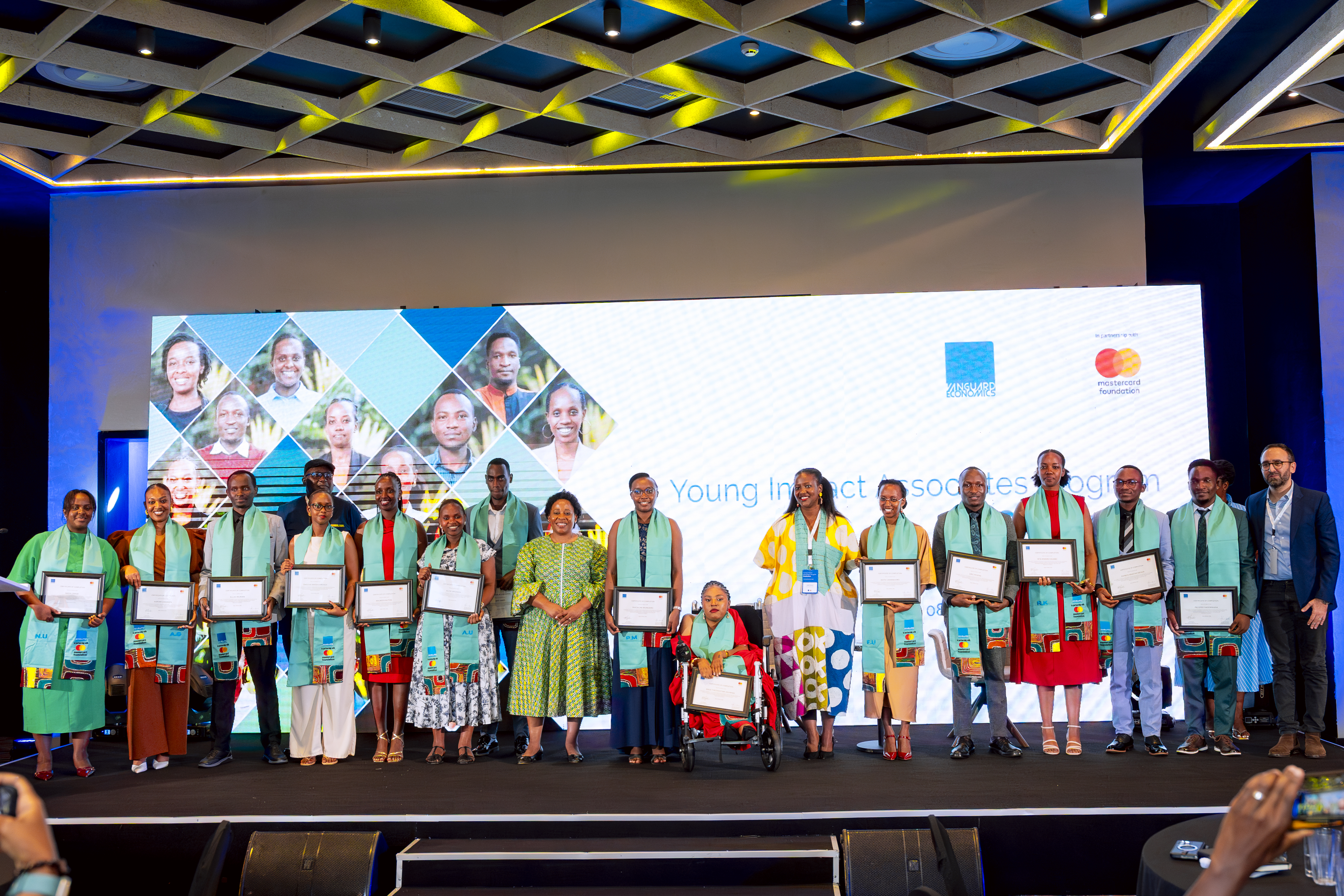





















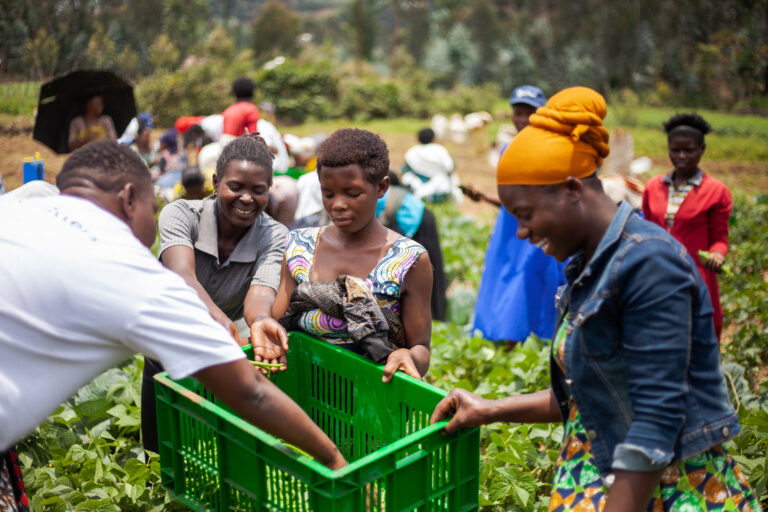


Part of that journey has been supported through SERVE — Supporting and Enhancing Resilient and Viable Employment Opportunities, a five-year programme running from 2023 to 2027 in partnership with the Mastercard Foundation. Implemented by CARE, SERVE works across 10 districts in Rwanda to increase dignified and fulfilling work opportunities for young people, particularly young women, in agricultural value chains. The programme aims to reach 100,000 young people, 70% of them young women.
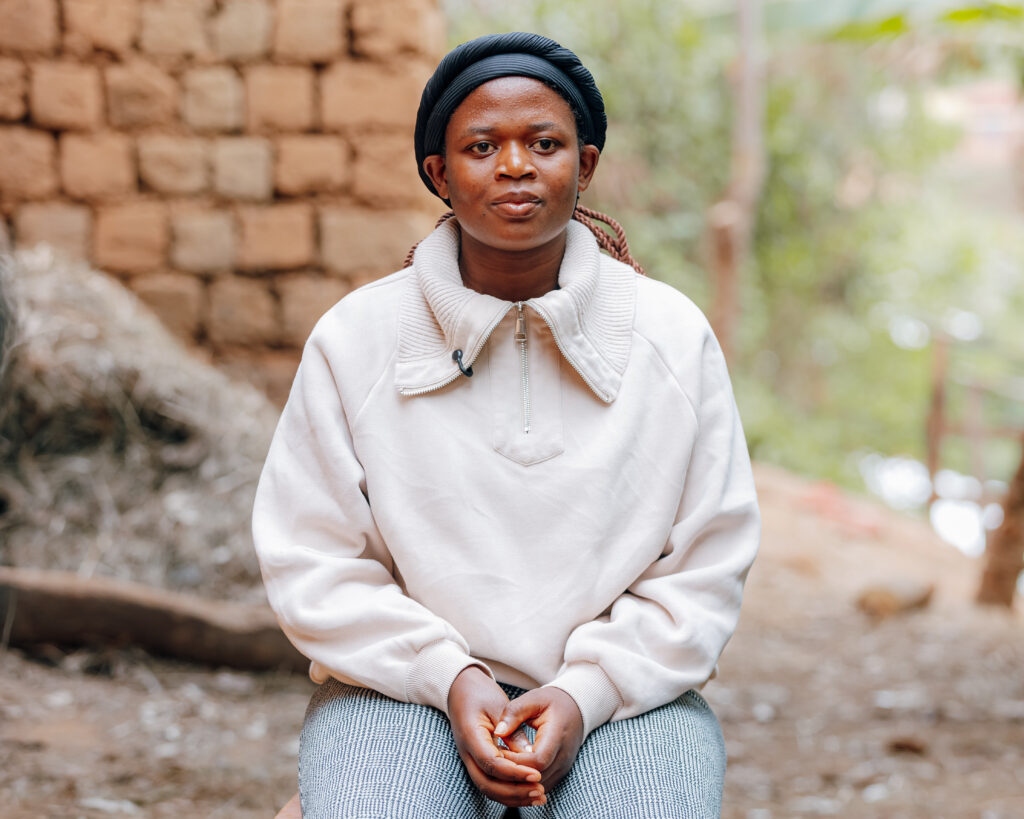
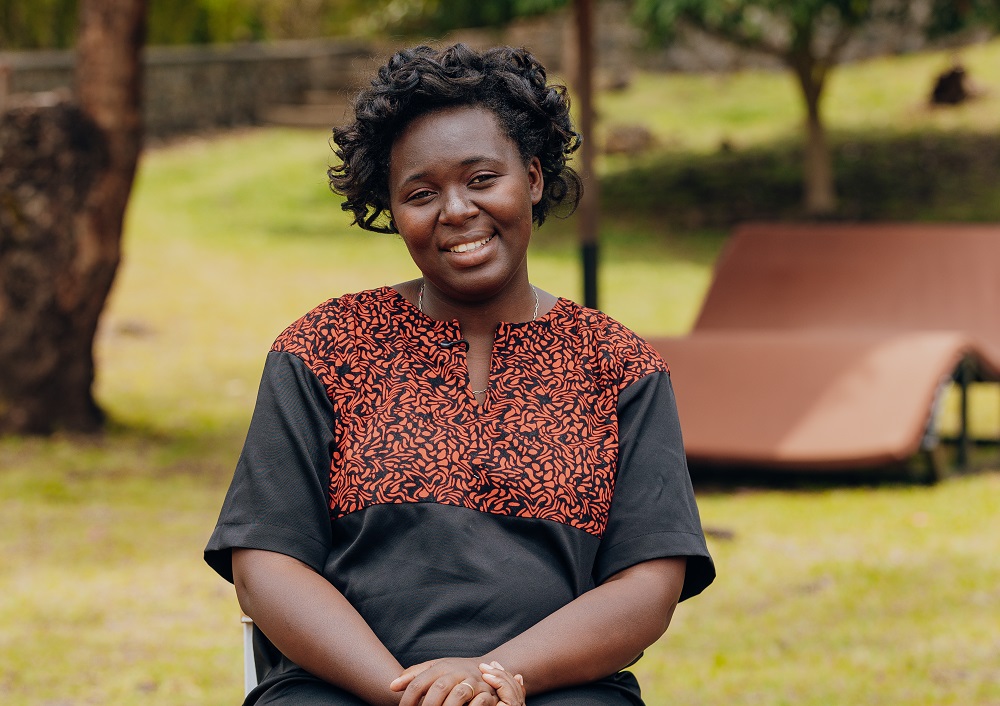
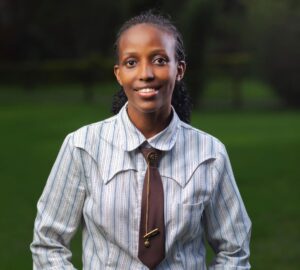
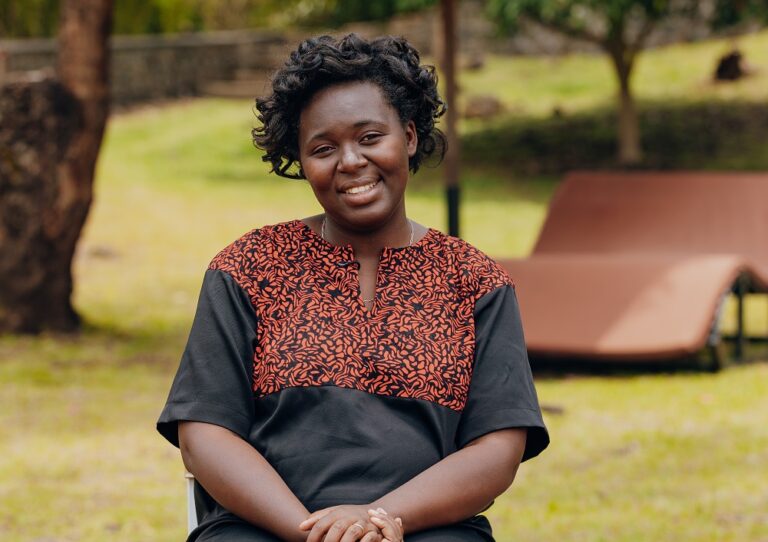
For Dusengimana, who lives in Nturo Village, Kivuruga Sector in Gakenke District, that support helped accelerate a journey she had started years earlier with just 100 chickens.
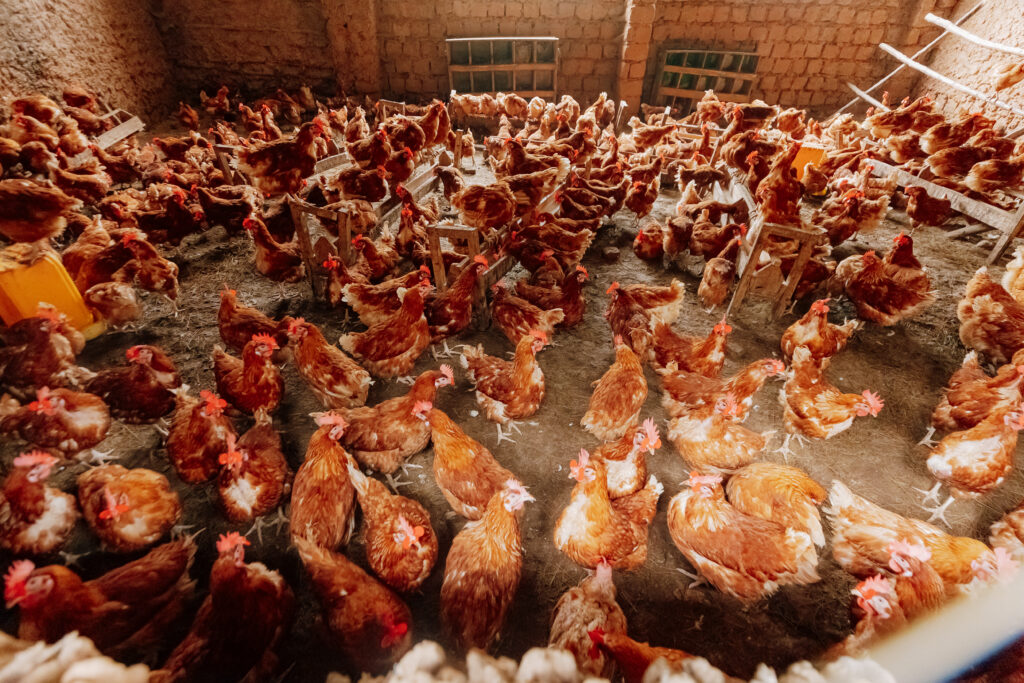
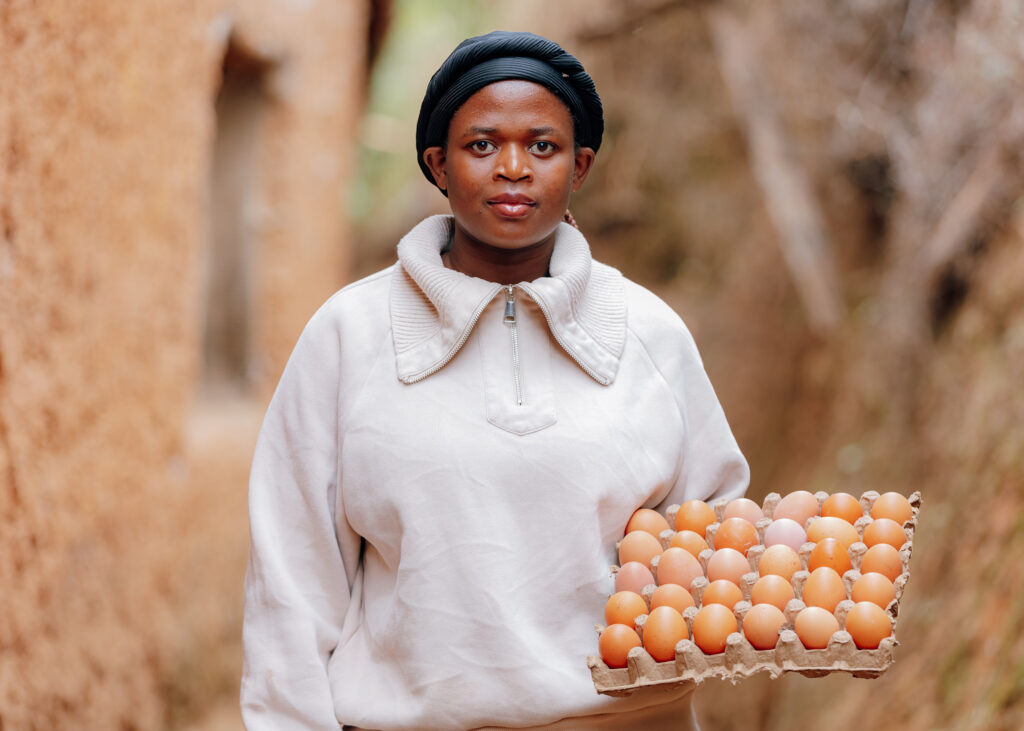
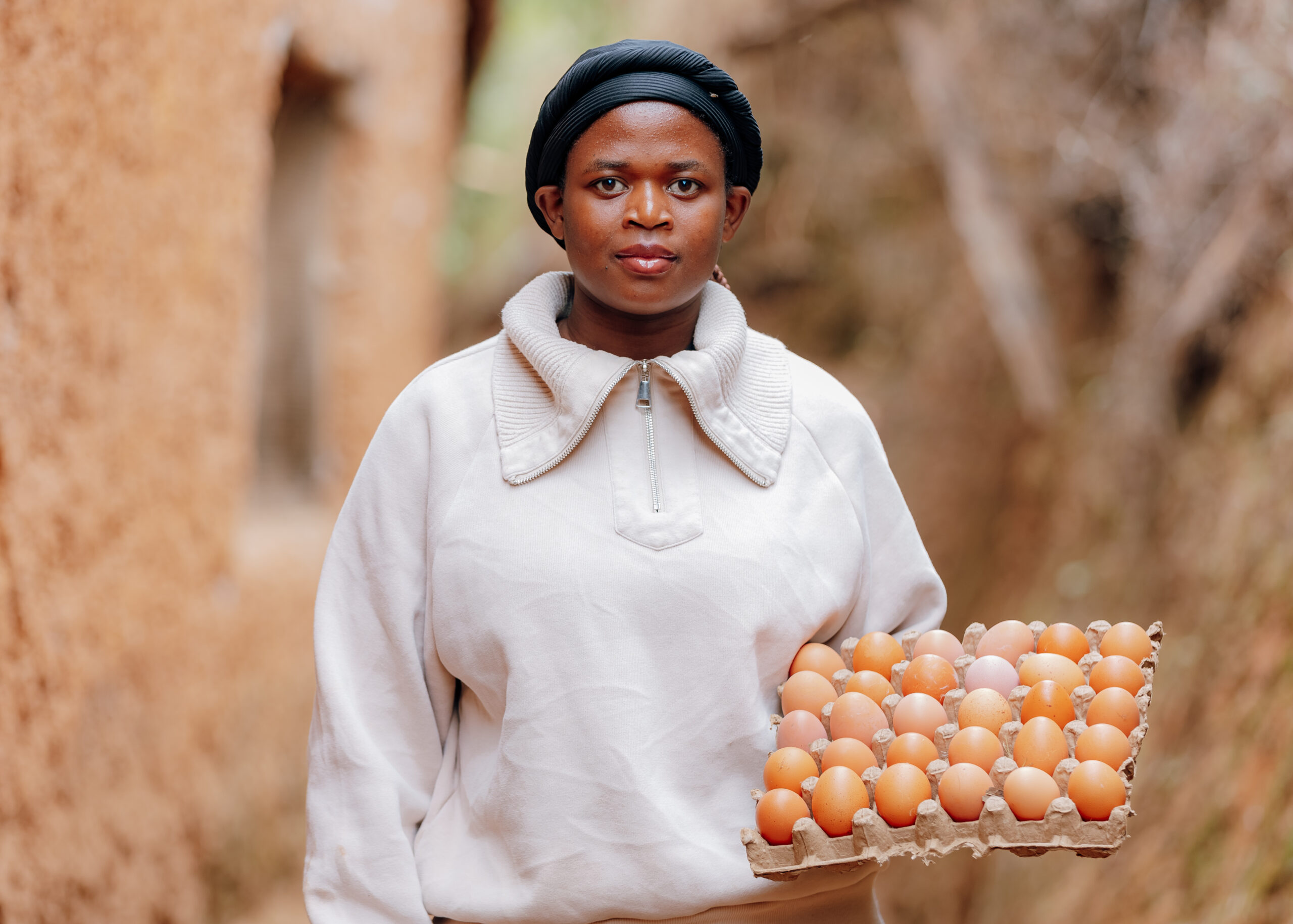
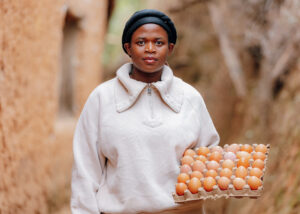
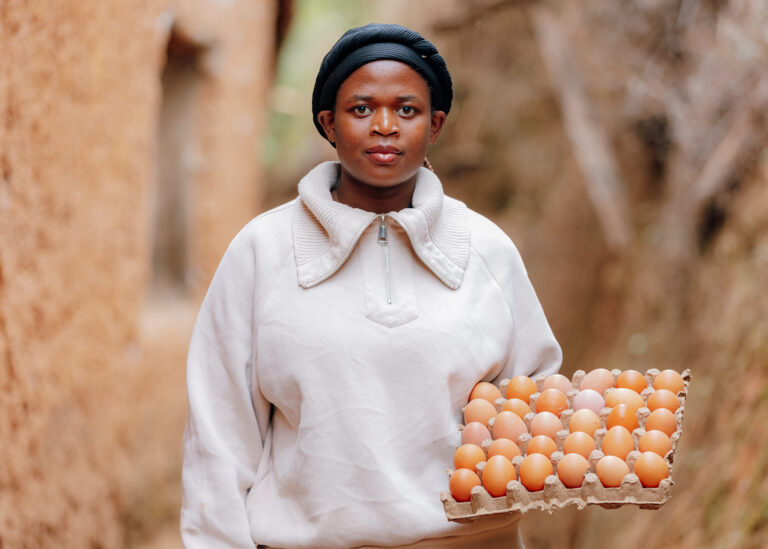
Today, she keeps 2,000 ISA Brown laying hens and runs Nutrifeed Ltd, a business producing animal feed for farmers in her community.
Her interest in livestock began in childhood. She grew up keeping small animals and later studied veterinary medicine in secondary school and university. But poultry farming also offered a solution to a problem she saw around her: eggs were difficult to find in sufficient quantities.
Families preparing ceremonies, schools and other customers often struggled to find enough eggs locally. Dusengimana saw an opportunity to bring supply closer to them.
She started poultry farming in 2019 with 100 chickens after completing secondary school.
Then COVID-19 struck. Customers disappeared, eggs went unsold and some spoiled. At one point, she questioned whether continuing made sense.
After the pandemic, she took a RWF 4 million loan and expanded to 1,000 chickens. Soon afterwards, disease hit the flock and killed around 250 chickens. Instead of abandoning the business, she took samples to a laboratory, identified the disease and treated the remaining chickens.
From employee to employer
Dusengimana later tried formal employment at a veterinary hospital in Musanze, where she earned RWF 150,000 per month. After rent and other expenses, she said she could be left with around RWF 50,000.
She began questioning whether that path could give her the future she wanted.
More importantly, she realised that building her own enterprise could benefit more people than herself.
“When you work for yourself, there are people you help, there are people you give jobs to, and there are people who can access what you produce nearby. It creates a bigger impact than working for someone else,” she said.
That decision eventually changed the balance within her own family.
Before becoming financially independent, she relied on her parents. Today, she says she is able to help them, support her younger sibling’s education and pay school meal expenses for two other children.
“Before I started working for myself, everything depended on my parents; they were responsible for everything. But now, I am the one helping them,” she said.
Dusengimana encountered SERVE after information about opportunities for young farmers was shared in her community. She registered under the poultry category without expecting that it would significantly change her business.
“I didn’t think anything significant would come out of it,” she recalled.
Through the programme, she was connected to poultry-farming training, experienced farmers and networks she could turn to when facing business challenges.
She later successfully competed for support to expand into animal-feed production. She received a package worth RWF 10 million, including machinery valued at RWF 6 million and RWF 4 million in cash support.
Before receiving the equipment, animal feed was mixed manually using basic tools. Two workers could produce about 300 kilograms per hour.
The new mixer can process about one tonne per hour, while her weekly production has grown from around one tonne to between seven and 10 tonnes.
Nutrifeed was formally registered in June 2026.
Changing more than her own life
The growth is visible beyond production figures.
Before receiving support, Dusengimana had one permanent employee. She now employs five full-time workers and provides casual work to around 20 people in a month, doing jobs ranging from loading feed and transporting eggs to removing manure from poultry houses.
She has also found a way for her poultry business to support vulnerable children in her community.
“There are people who have children suffering from malnutrition. Sometimes we select about five children. They come and receive eggs for free every day — about two eggs for each child — for a certain period,” she said.
Her ambition is now to grow from 2,000 to 5,000 laying hens, add around 1,000 chickens for meat production, expand Nutrifeed and create more employment opportunities, particularly for young people and women.
For Dusengimana, agriculture is not a fallback option for young people. It can be a business, a source of independence and a way of changing other people’s lives.
Her advice is simple: “Do not be afraid to start… Just start and see whether it is possible. You will figure out the rest afterwards.”
For her, starting meant 100 chickens. Today, it means thousands of birds, a growing feed business and jobs for others. The next chapter, she hopes, will be measured by how many more people are able to grow with her.