
































In Rwanda today, many young people feel that elders are no longer relevant. They see them as “old-fashioned,” stuck in traditions that don’t match the fast pace of modern life. With smartphones, social media, and global culture shaping how teens and young adults think, respect for elders sometimes feels unnecessary. But in truth, this respect still matters deeply, both for individuals and for the country.
Rwandan culture has always placed elders at the center of community life. They were the teachers, counselors, and keepers of wisdom. Through stories, proverbs, and personal experiences, they passed down values that guided families for generations. When a young person showed respect, it was not only about good manners. It was about recognizing the role elders play in preserving identity and unity.
Today, many youths dismiss this role because elders may not understand Instagram or TikTok. But while elders may not keep up with trends, they offer something more important: perspective. They have lived through poverty, hardship, and rebuilding Rwanda after difficult times. Their resilience holds lessons that cannot be found online. Their stories teach responsibility, patience, and the value of community.
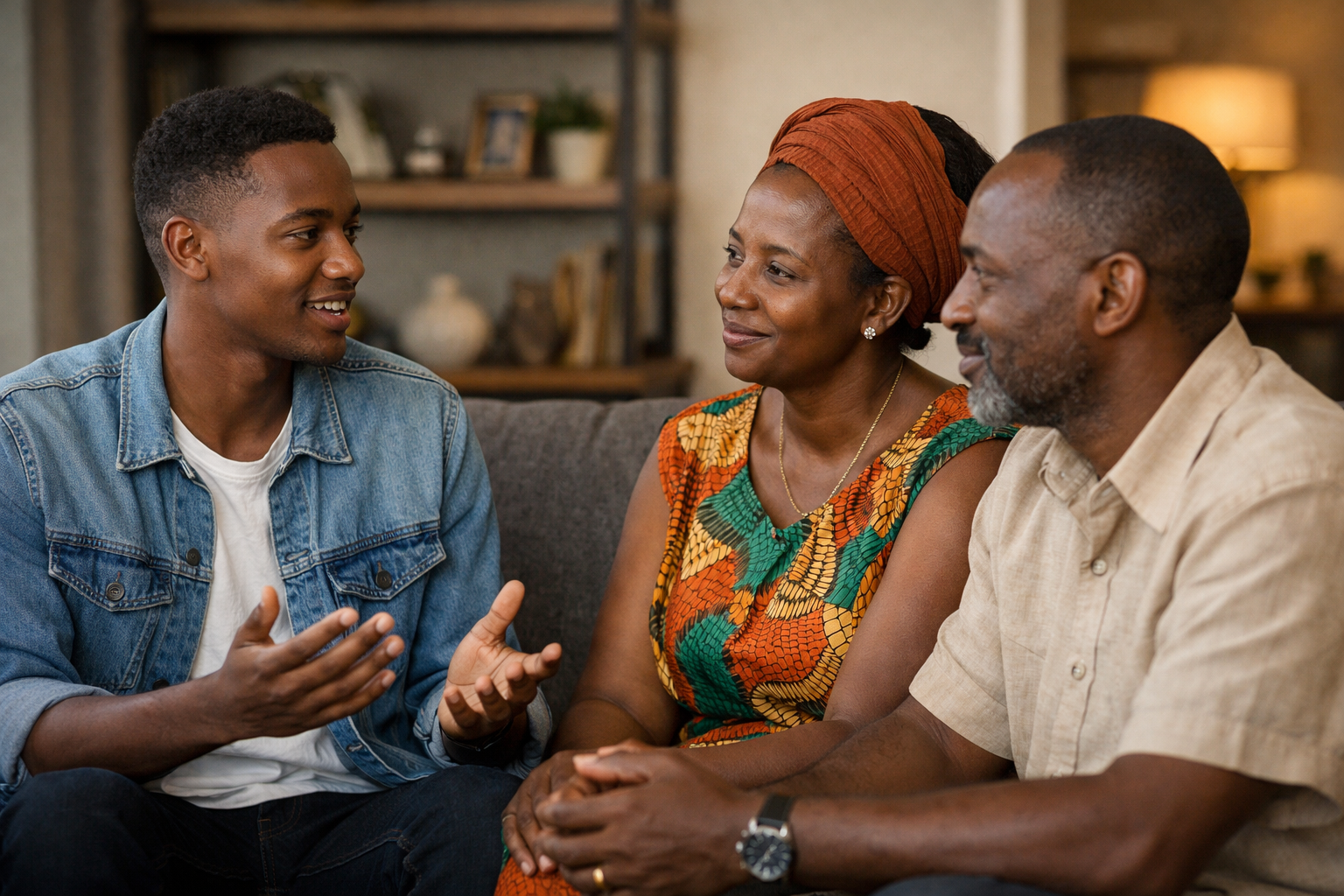
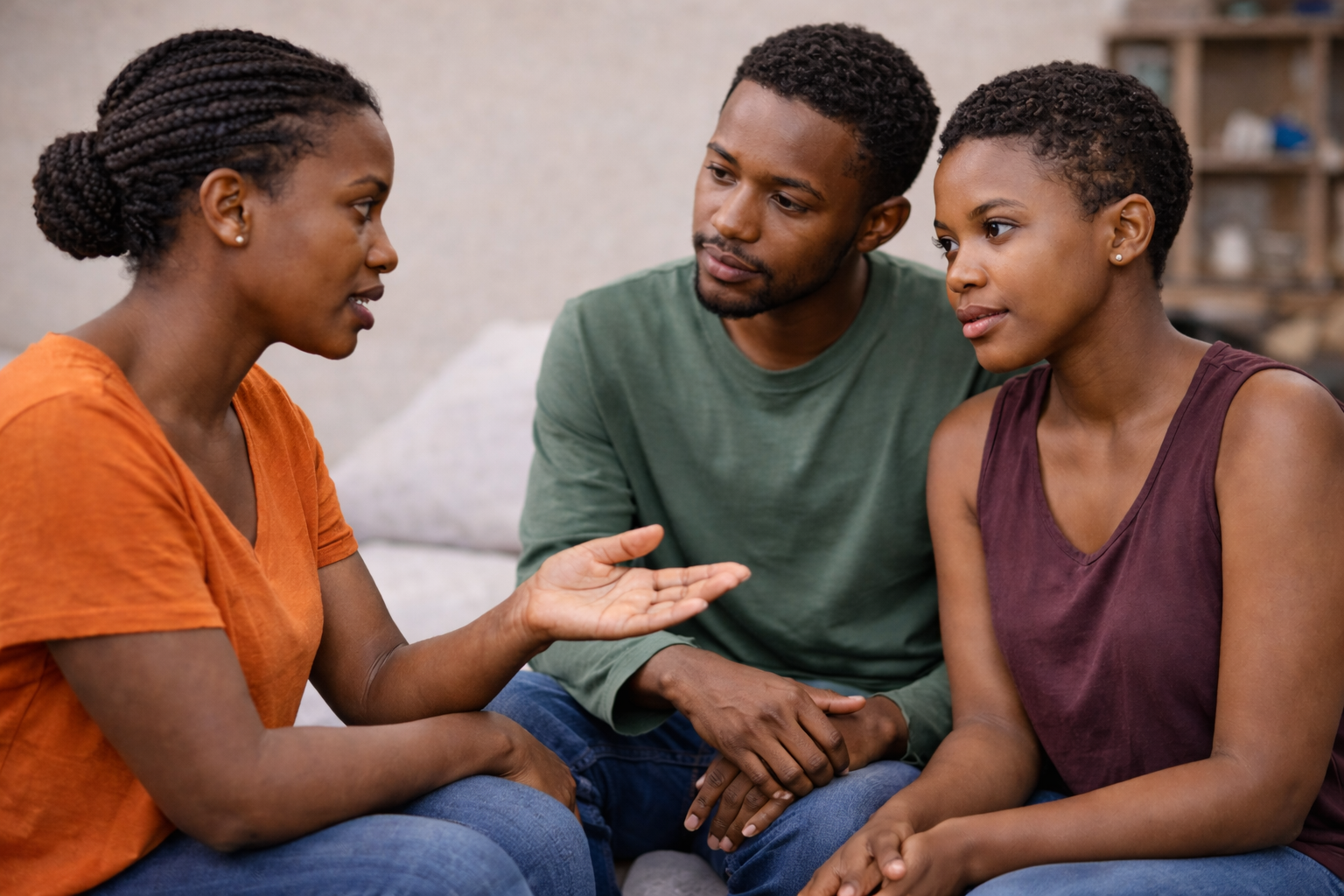
Respecting elders also strengthens families. A teenager who listens to an elder gains guidance on handling challenges in school, work, and relationships. Even simple advice—about honesty, humility, or perseverance—shapes character. When youth ignore elders, they lose access to this guidance and risk repeating mistakes of the past.
Culturally, respect for elders is part of what makes us Rwandan. If youth reject elders, they weaken this chain of connection. Rwanda’s future depends on progress that honors tradition while embracing innovation. The wisdom of elders and the energy of youth should not compete, but complement each other.
Respect is not about blind obedience. It is about listening with humility, weighing lessons from the past, and applying them in a modern world. It is about understanding that the people who came before us carry keys to knowledge, resilience, and identity.
For young Rwandans, respecting elders is not a burden. It is an opportunity. It allows us to remain rooted in who we are while confidently stepping into the future. Respecting elders is not outdated—it is the bridge between yesterday’s wisdom and tomorrow’s possibilities.