
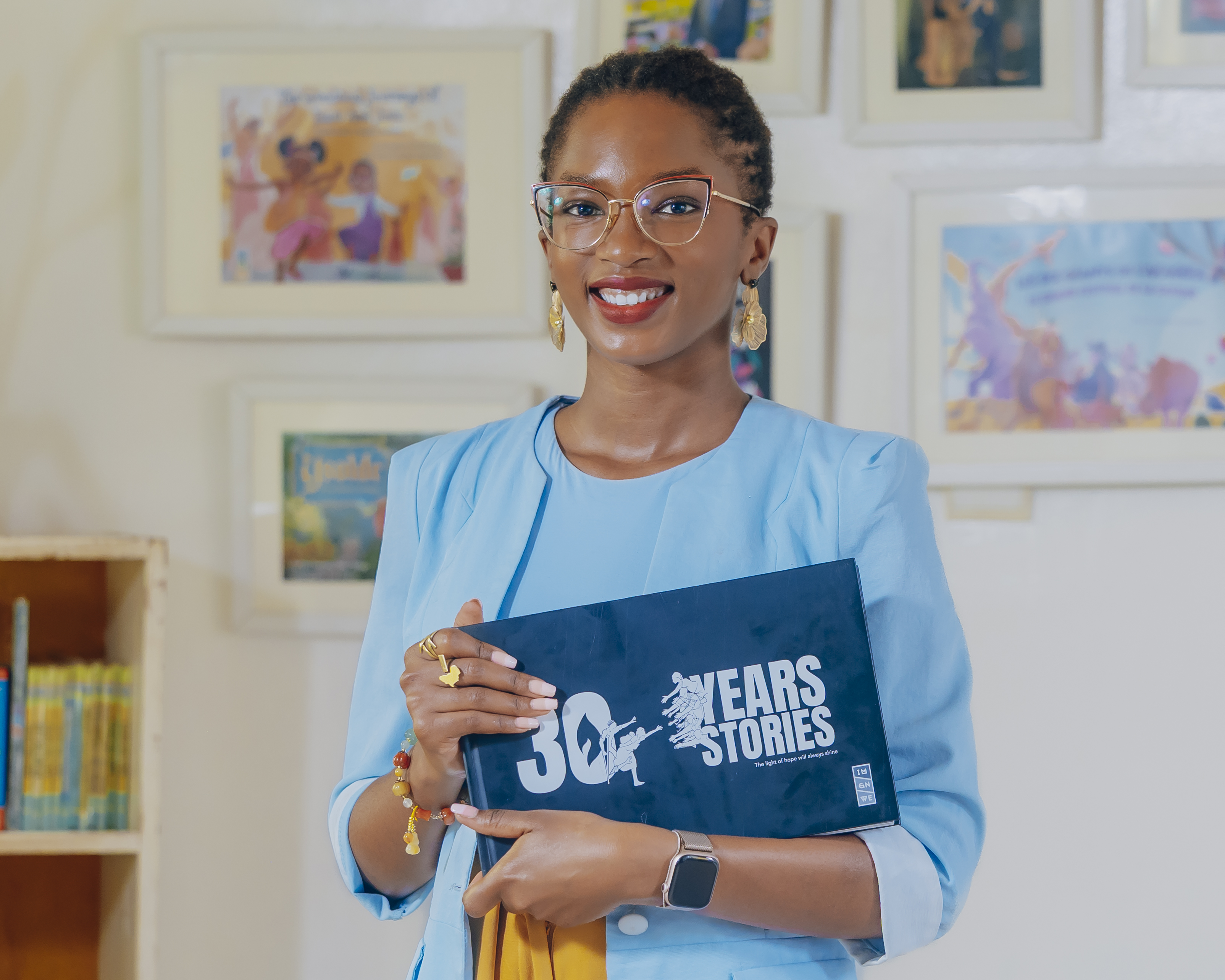
In Rwanda, where the echoes of the 1994 genocide against the Tutsi still resonate, the responsibility of preserving its history now rests with the youth. Though born long after the events, young Rwandans are increasingly taking on the role of remembering and understanding the past.
Dominique Alonga, the founder of Imagine We Publishers, sees this generation as key to ensuring that the painful history of the genocide is never forgotten and that its lessons live on for future generations.
Alonga’s novel Tracing the Cracks tells the story of two young people—one the child of a genocide victim, the other the son of a perpetrator—who meet and fall in love. Their relationship becomes complicated when they learn about each other’s pasts. Alonga’s story highlights the difficult journey of reconciliation and forgiveness, emphasizing that this is a long, ongoing process. “The story does not have an end because we are still observing that it’s very, very hard to forgive,” she explains. “But there is the willingness.” Alonga believes that the younger generation is crucial in carrying the weight of Rwanda’s history forward, asking the difficult questions that will guide the nation’s healing.
Alonga stresses the importance of conversation as a means of healing. “The more you talk, the more you heal,” she notes. She has observed, through her work with survivors, that discussing the past allows both the older and younger generations to process the trauma they carry. “The more children ask their parents, the more the parents heal as well,” Alonga explains. She sees the youth as central to unlocking these conversations, encouraging them to ask questions and engage with their families about the past. “One of the goals I had is to really give interesting questions to young people to go back to their parents, to their families, and see what happened to us as a country, as a family, as an individual.”
Through Imagine We Publishers, Alonga is also helping young Rwandans share their own stories. The publishing house is actively working to give young writers, especially from marginalized communities, a platform to express their experiences. In a recent initiative, Alonga’s publishing house partnered with Agati Library in Musanze to host a writing competition for children aged 9 to 13.
The winners were not only published in a book, but also received school fees and materials. One of the winners, a child with a disability, wrote a touching story about a young character who, despite bullying, builds the first rocket ship of Rwanda and flies to the moon. “Through fiction, she was able to create a wonderful story about how this young character decided to build a rocket ship,” Alonga recalls. The story, along with others from the competition, shows the resilience and creativity of Rwanda’s youth, and the power of storytelling to heal and empower.
Alonga believes that storytelling is essential to preserving Rwanda’s history and ensuring that the trauma of the past doesn’t fade with time. “We have a responsibility to preserve these stories,” she says. “Storytelling does create confirmed healing for people. It does create good conversations and preserves our memory for all eternity.” By encouraging the youth to share their stories and engage with their families’ pasts, Alonga is contributing to a wider effort to keep the history of the genocide alive, and to use it as a means for personal and national healing.
She points out that sharing stories also helps prevent trauma from being passed down to future generations. “When we send people back into society who have begun their healing journey, the trauma hopefully does not get passed to the next generation,” Alonga explains. For her, this process of healing through storytelling is an ongoing one, and the youth must be at the forefront of it.
Looking to the future, Alonga sees the youth of Rwanda as the key to the country’s healing and progress. She believes that by encouraging young people to talk about their past, share their stories, and engage with the tough questions of reconciliation, Rwanda will continue to move forward. “The more we encourage people to talk about their stories and to begin their own healing journey, hopefully, the trauma is not passed to the next generation,” Alonga concludes.
For Alonga, storytelling is not just a way to remember the past; it is a way to ensure that the lessons of the 1994 genocide are passed on to future generations, and that Rwanda’s youth take ownership of both the country’s history and its healing process. Through their words, the youth are shaping the future and carrying Rwanda’s story forward, one conversation at a time.
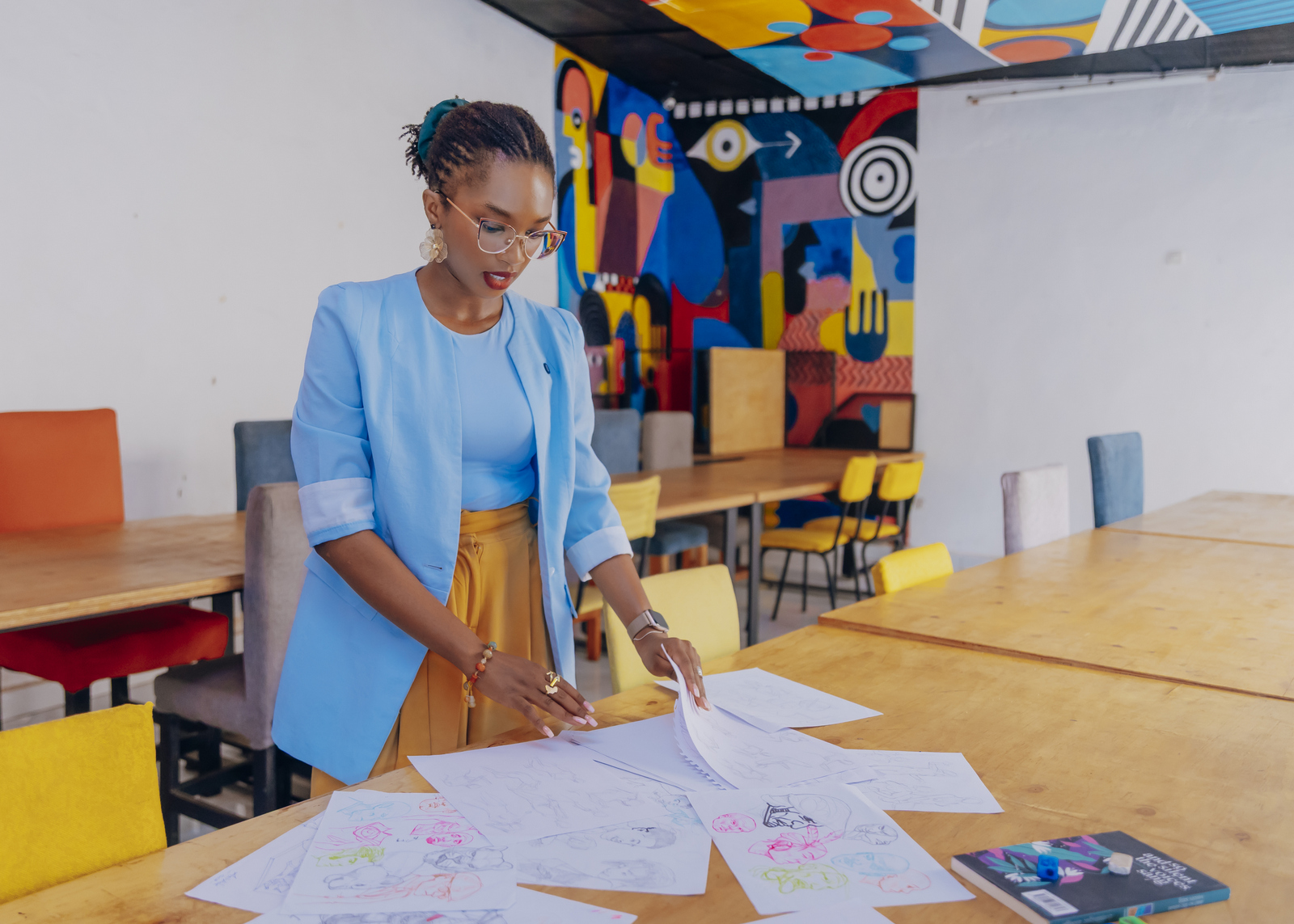
Through her work with Imagine We Publishers, Dominique Alonga helps young Rwandans find their voice, contributing to a legacy of healing and reconciliation
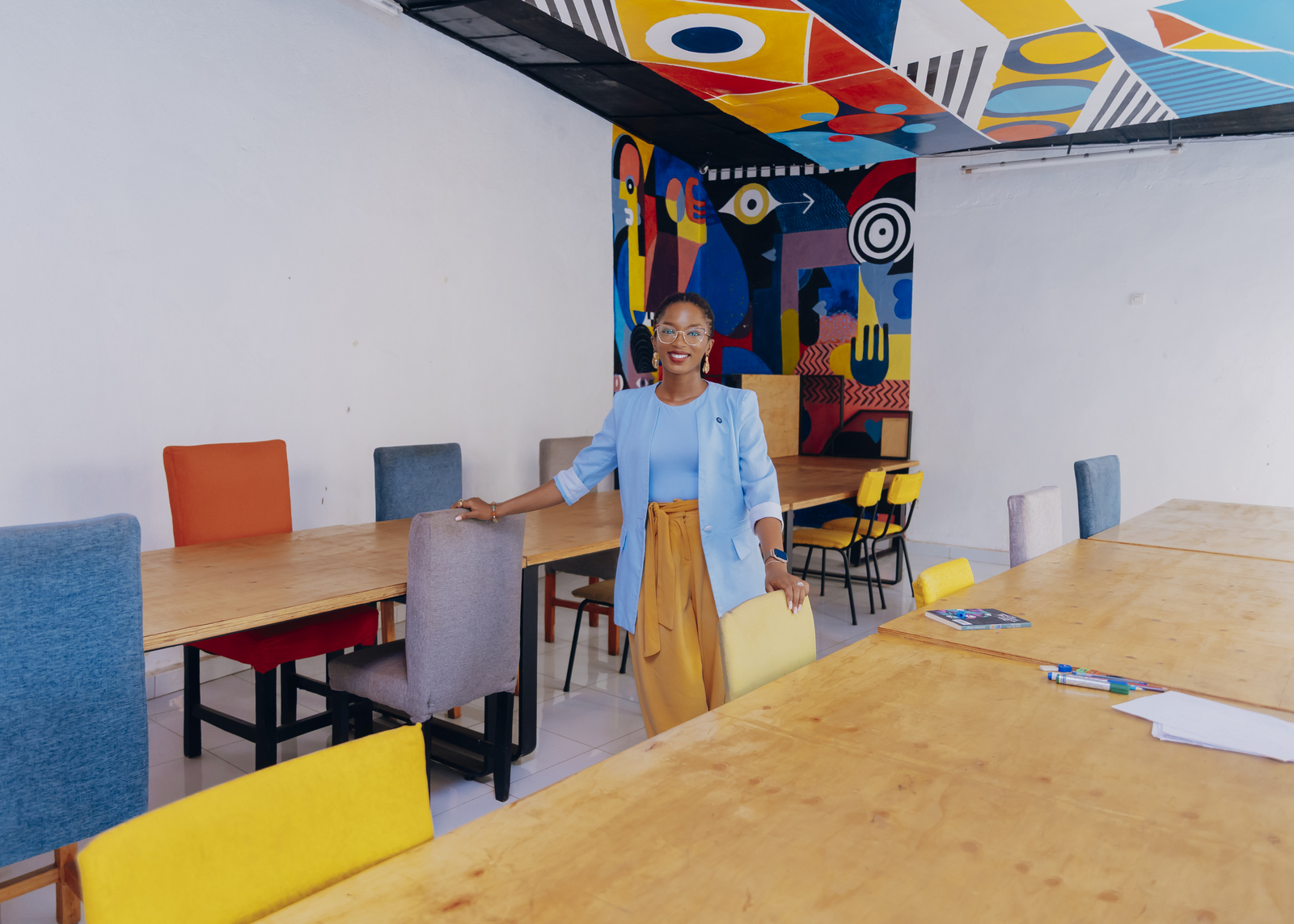
Dominique Alonga believes that the youth hold the responsibility of carrying Rwanda’s story forward
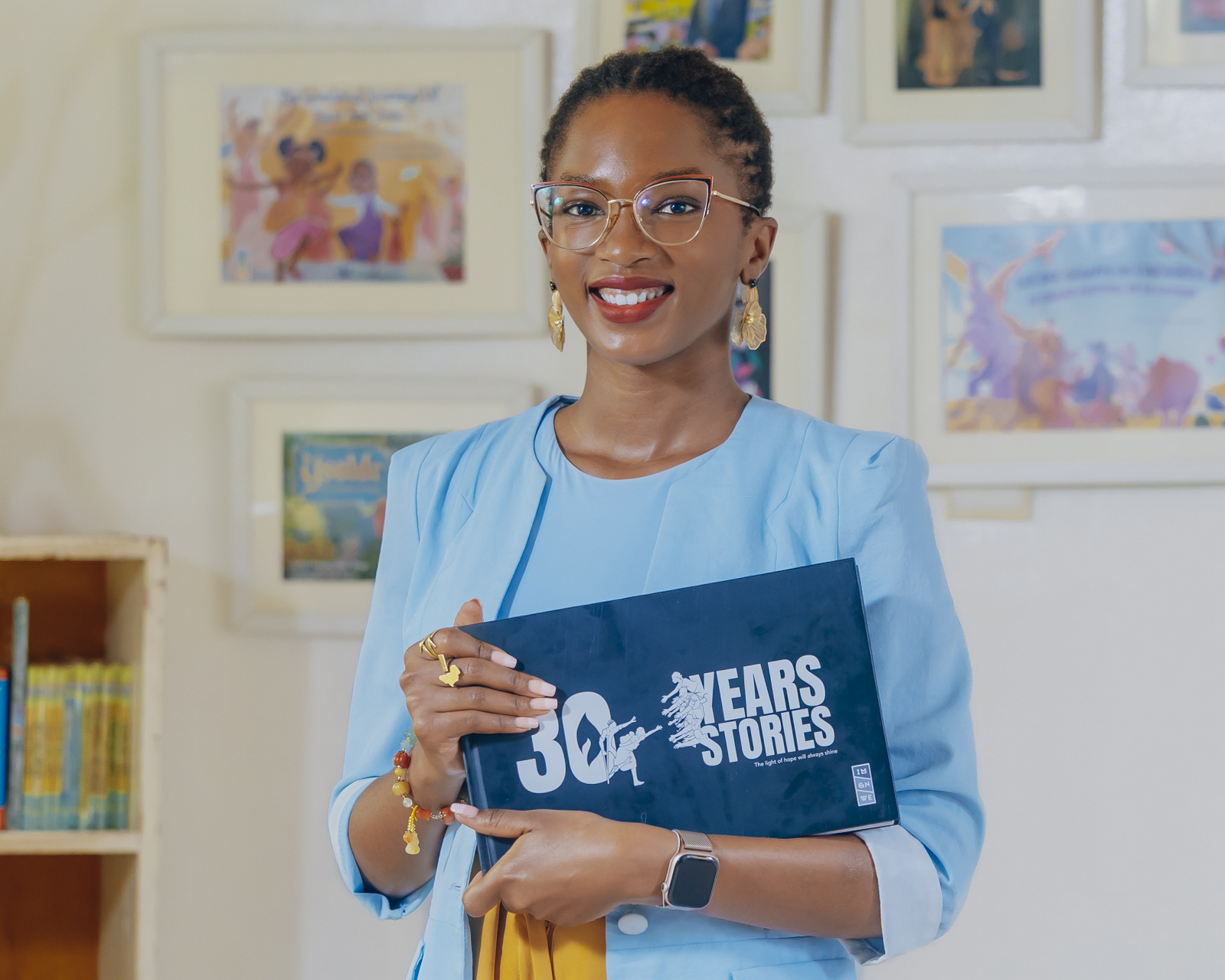
Dominique Alonga, Founder of Imagine We Publishers, believes in the power of conversation for national healing

Dominique Alonga champions young voices, empowering them to share their stories and preserve Rwanda’s legacy for future generations
