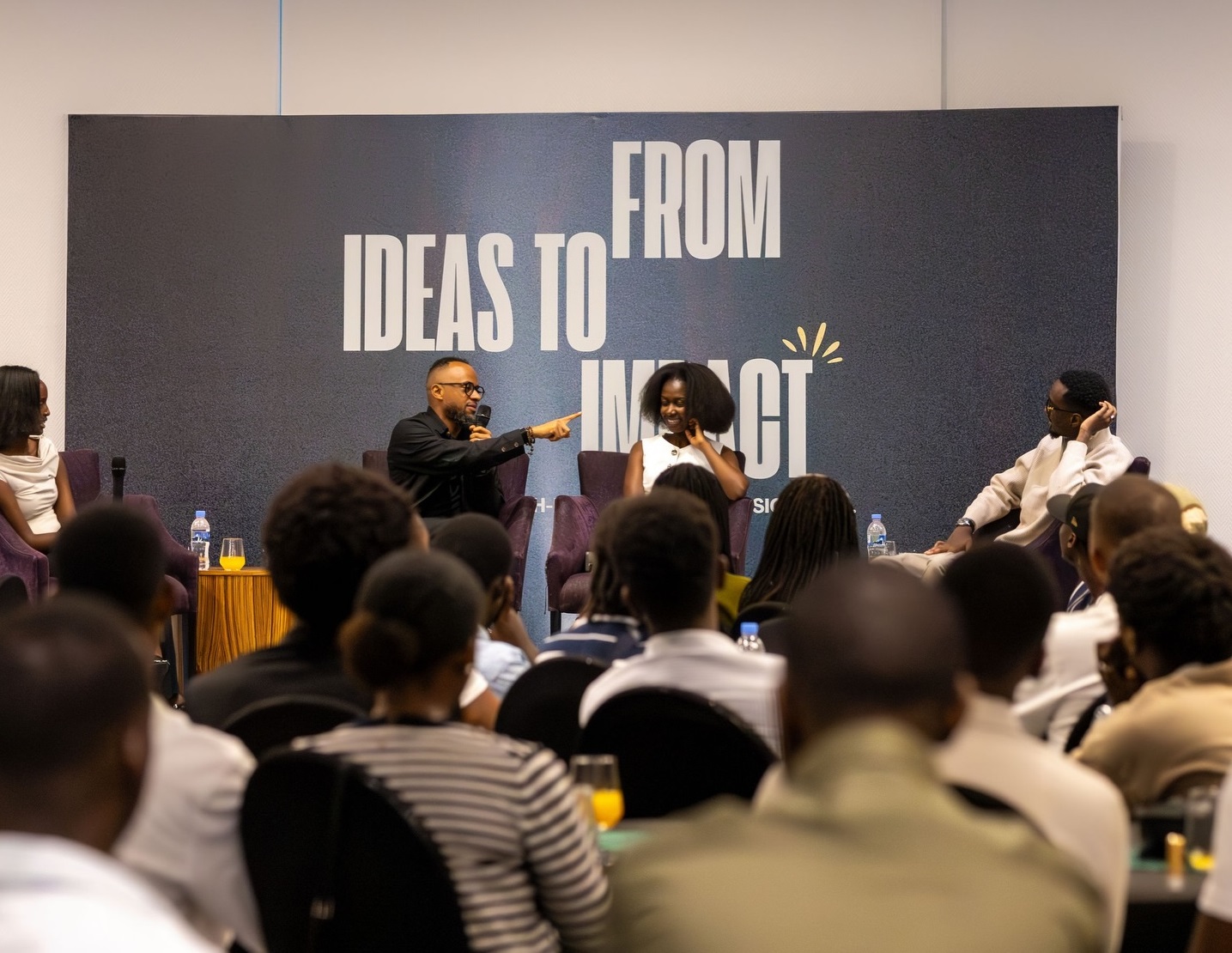

































Young African entrepreneurs attending the Africa Food Systems Forum 2026 in Kigali have highlighted how agriculture is creating businesses, generating employment, strengthening food security and giving young people the power to build sustainable livelihoods.
Their experiences show that agriculture is no longer limited to traditional food production. With innovation, technical knowledge, access to markets and appropriate financing, it can become a profitable enterprise that empowers individuals and entire communities.
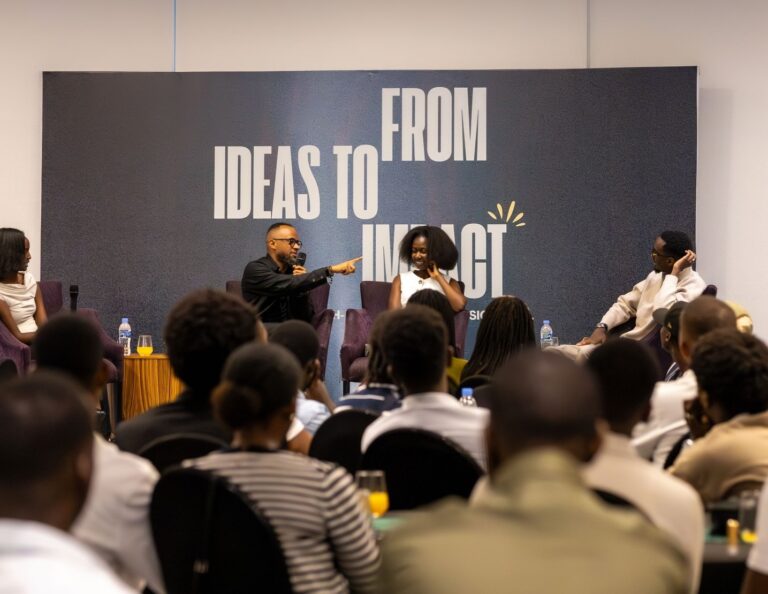
The Africa Food Systems Forum brings together farmers, entrepreneurs, investors, policymakers, development organisations and private-sector leaders to identify practical solutions for transforming Africa’s food systems.
Its mission is to inform, influence and accelerate the transition towards food systems that are sustainable, resilient and inclusive. The forum places particular emphasis on women and young people, recognising their importance in Africa’s efforts to move from food shortages to food surpluses.
Mastercard Foundation is among the partners of the Africa Food Systems Forum, supporting a platform that places farmers, women and young people at the centre of the continent’s agricultural transformation.
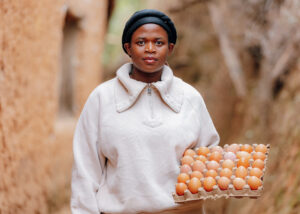
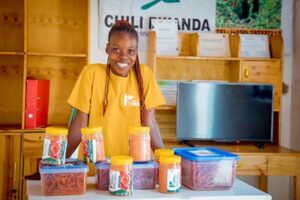
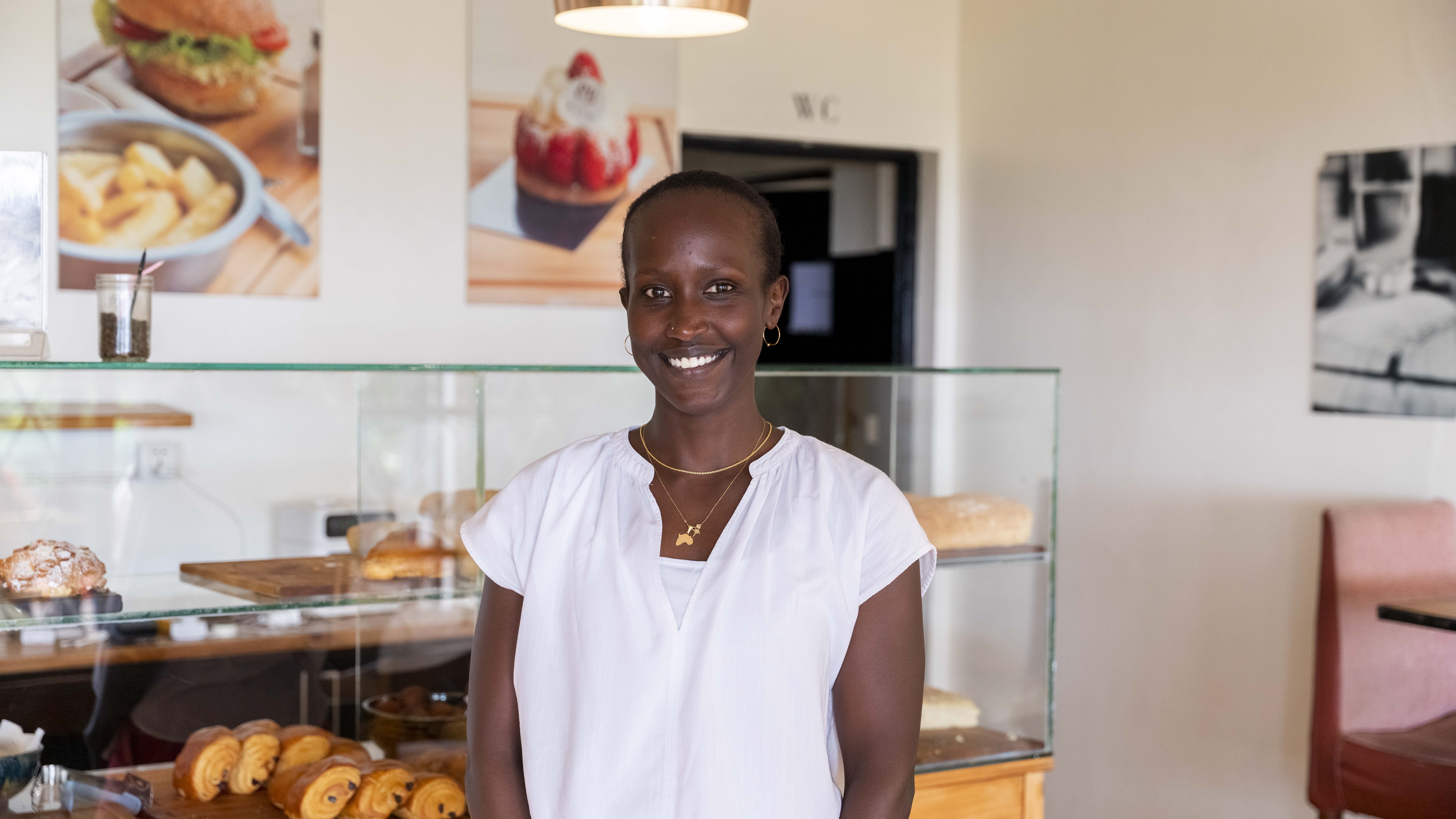
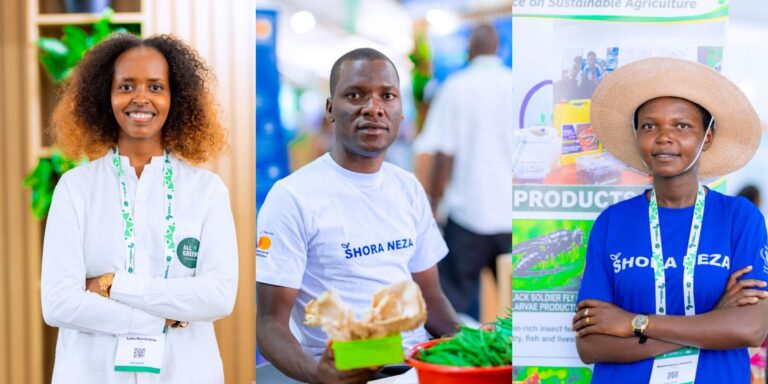
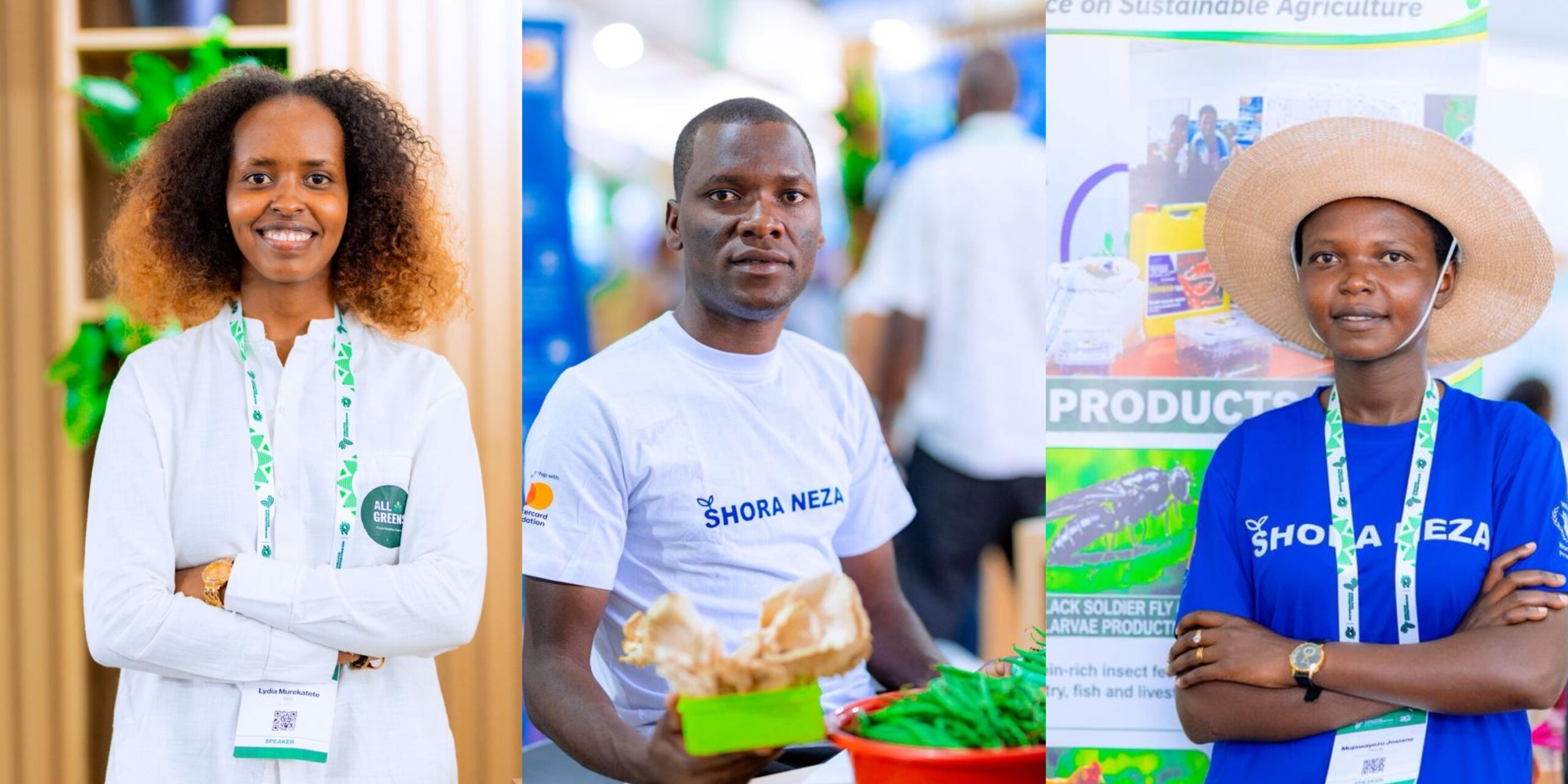
Among the young entrepreneurs who attended the 2026 forum were Lydia Murekatete, founder and Chief Executive Officer of All Greens; 28-year-old Pierre Celestin Masengesho, CEO of PRIGE Ltd; and 29-year-old Josiane Mujawayezu, founder and manager of Amazing Insect Ltd.
Although their businesses operate in different parts of the agricultural value chain, their stories share a common message: agriculture can create wealth, jobs and long-term social impact when young people are equipped to participate meaningfully.
Producing vegetables throughout the year
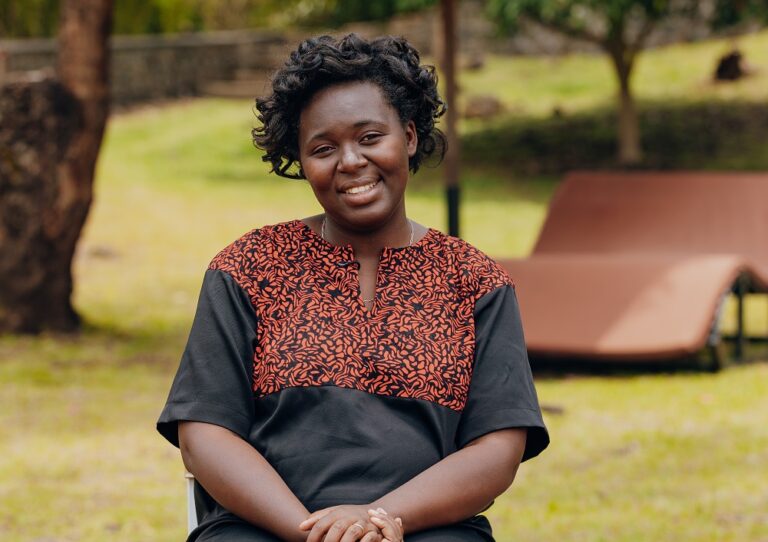
Lydia Murekatete founded All Greens in late 2024 after recognising that climate-controlled greenhouses could make it possible to grow food throughout the year, regardless of changing weather conditions.
The company grows vegetables in controlled greenhouses and distributes them through integrated channels that include company-owned retail shops, business-to-business sales and a marketplace connecting its produce to customers.
Before establishing All Greens, Murekatete viewed agriculture as an unprofitable sector characterised by difficult manual labour. Her perspective changed when she discovered that modern production methods could support continuous farming and reduce dependence on seasons.
She also identified an opportunity in Rwanda’s continued importation of large quantities of vegetables from other countries.
“What inspired us to start All Greens was the realisation that someone can grow food all year round, regardless of the climate,” she said.
“Before that, based on my experience with agriculture, I used to think agriculture was not profitable and involved hard labour. But after realising that food could be produced throughout the year, I saw an opportunity in the market.”
For Murekatete, producing vegetables locally is not simply a commercial opportunity. It can help Rwanda reduce its dependence on imported food, create employment and strengthen the country’s ability to respond to disruptions affecting regional and international supply chains.
Her participation in the Africa Food Systems Forum was driven by the desire to meet other agricultural entrepreneurs, connect with organisations and investors, share knowledge and increase the visibility of All Greens.
She said the forum enabled participants to examine business models that have worked, understand how they could be improved and explore whether they could be replicated in other countries or markets.
“I enjoyed the fact that there was a lot of learning from what other businesses are doing,” she said. “You could learn which models have worked, how they can be improved and how they can be replicated.”
She was also encouraged by the growing number of young Africans entering agriculture and developing new solutions for the sector.
According to Murekatete, young people are no longer simply beneficiaries of food-system programmes. They are becoming producers, innovators, employers and contributors to the industry’s development.
However, she believes their participation should extend beyond implementing programmes designed by others. She wants young people to be directly involved in developing policies and initiatives intended to serve them.
“There is nothing for the youth without the youth,” she said. “If policymakers involve young people in decision-making and in designing programmes, that will be most significant for the sector.”
Murekatete also challenged the belief that agriculture cannot generate meaningful income.
“I would tell young people that it is not true. Agriculture is really profitable,” she said.
“You just have to do a clear case study on what you are working on, be passionate about it, know what you can do better and be eager to learn.”
She cautioned that agricultural businesses require consistency and patience because production cycles are often seasonal and returns may take time.
“Agriculture is like any other investment, but it requires more patience because most things are seasonal,” she said.
Leaving a salaried job to build an export company
Pierre Celestin Masengesho’s journey into agriculture began during the COVID-19 pandemic in 2020.
At the time, he was working as a government official in Kenya. However, he concluded that relying exclusively on a salary would not enable him to meet all his financial needs or realise his ambitions.
He left his job and established PRIGE Ltd, an agricultural company operating in horticultural production, aggregation and exports.
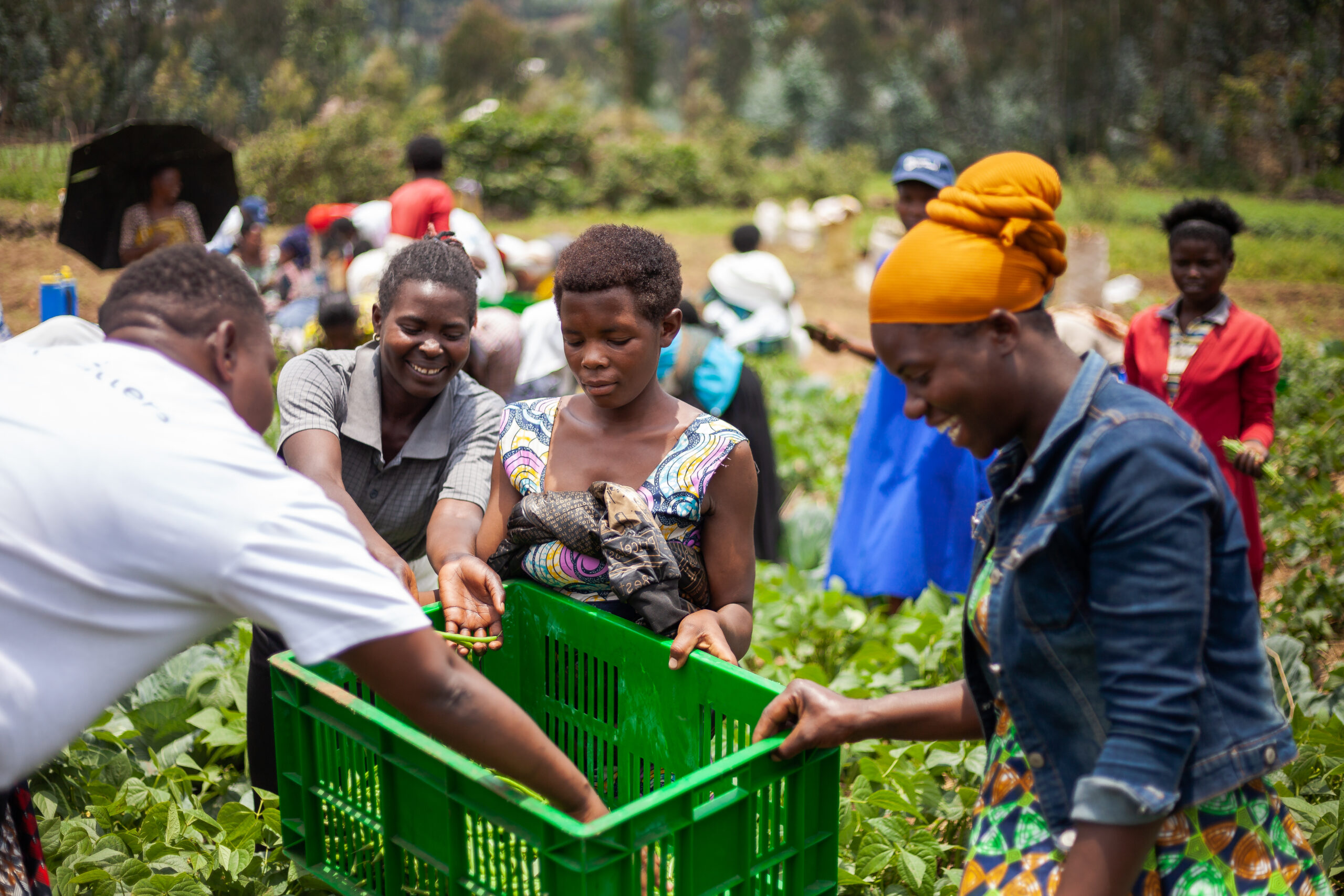
The company grows different vegetables and fruits in open fields and greenhouses. It also purchases produce from other farmers before connecting it to markets, helping small-scale producers who may not have the capacity to find large buyers independently.
PRIGE Ltd exports French beans and avocados from Rwanda to markets in the European Union, including France, as well as China.
Masengesho said he selected agriculture because it combines commercial opportunities with one of society’s most important needs.
“If there is no agriculture, there is no food. If there is no food, there is no life,” he said.
“I believe agriculture is where you can make money. If you invest in agriculture, you are investing in the future.”
Beyond its exports, PRIGE Ltd is creating employment opportunities for young people and women. Masengesho considers this one of the company’s most significant achievements.
“I am proud of PRIGE Ltd because today we are exporting and creating jobs for other young people and women,” he said.
His participation in the Africa Food Systems Forum also produced immediate commercial results. He met investors, sold products and secured new customers, including hotels operating in Kigali.
He said the connections made at the forum would continue generating opportunities beyond the event itself.
“Attending this event is very important for us as young people and for companies like mine,” he said. “We do not only benefit today; we benefit today, tomorrow and in the future.”
Masengesho attended the forum partly because he wants to expand PRIGE Ltd beyond Rwanda and build a company with a continental presence.
“I want to become big in Africa,” he said. “I want to showcase my products elsewhere, invest more and call upon investors to come and invest in my company.”
He believes Africa possesses sufficient land, people and natural resources to produce more of its own food rather than relying heavily on imports from Europe, Asia and the Americas.
He praised Rwanda’s hygiene standards and government support for agriculture, arguing that similar measures could help improve food production elsewhere on the continent.
However, Masengesho said limited access to finance remains one of the most serious barriers confronting young agricultural entrepreneurs.
Financial institutions frequently require land, houses, vehicles or other assets as collateral before approving loans. Most young entrepreneurs do not possess such property, even when they have viable businesses and clear market opportunities.
“Young people face the challenge of collateral,” he said. “When they go to a bank to get a loan, they are asked for collateral, but many young people do not have land, a house or a car to secure the loan.”
He called on governments and financial institutions to develop financing arrangements that reflect the circumstances of young entrepreneurs. He also proposed the establishment of specialised agricultural banks in countries such as Rwanda, Kenya and Uganda.
“If we have agricultural banks, young people can access finance more easily and everything will move forward,” he said.
Transportation costs present another barrier, particularly for businesses exporting fresh agricultural produce.
Masengesho said transporting one kilogramme of produce by air can cost approximately $2. Such expenses reduce the competitiveness of African products and limit the quantities that small companies can export.
He would like future editions of the forum to include more airlines, logistics providers, machinery companies and agro-processing businesses. Bringing these companies together with producers could create opportunities to negotiate more affordable transport services and address other bottlenecks across the agricultural value chain.
Turning organic waste into fertilizer
Josiane Mujawayezu’s enterprise demonstrates how scientific knowledge and environmental sustainability can be transformed into a growing agricultural business.
The 29-year-old is the founder and manager of Amazing Insect Ltd, a Rwandan company that uses insects to transform organic waste into organic fertiliser.
Her interest in insects began during childhood. She later pursued a master’s degree in entomology at the University of Rwanda, acquiring knowledge that inspired her to transform her curiosity into a commercial solution.
She founded Amazing Insect Ltd in 2023, initially operating from her family home.
Since then, the business has expanded to more than one hectare of operational land and now produces over two tonnes every month.
“Moving from working at home to operating on more than one hectare is a big achievement for me,” Mujawayezu said.
Her enterprise contributes to agriculture in several ways. It turns organic waste into a valuable input, supports farmers’ access to organic fertiliser and promotes production methods that can reduce environmental damage.
At the Africa Food Systems Forum, Mujawayezu participated in the Youth Café, where she connected with young agricultural entrepreneurs from other African countries.
One particularly valuable interaction was with a Kenyan entrepreneur operating a similar business. Because he had entered the industry earlier, he shared lessons about challenges that Amazing Insect Ltd might encounter as it expands.
They discussed pests that attack the worms used in the production system. Learning from someone with direct experience helped Mujawayezu understand how to anticipate and prevent the problem before it affects her business.
The exchange demonstrated the practical value of bringing young entrepreneurs together. Knowledge shared at the forum can help companies avoid costly mistakes, strengthen production and adopt tested solutions more quickly.
Mujawayezu believes that Africa is moving in a positive direction because more young people are entering the agricultural sector.
She argued that the continent has the capacity to produce more of its own food, reduce imports and contribute to global food production.
“When you produce and feed Africa, you feed the world,” she said.
She called on policymakers to adopt measures supporting sustainable organic farming and climate-smart agriculture. Such policies could help businesses increase productivity while protecting natural resources and becoming more resilient to climate change.
Mujawayezu also encouraged young people to consider the wider impact they can create through agriculture.
“Agriculture is a good business that can change the lives of many people, not only your own life but also the lives of a large number of people,” she said.
She believes the sector remains commercially attractive because demand for agricultural products is significantly higher than existing production.
From participants to decision-makers
The experiences of Murekatete, Masengesho and Mujawayezu illustrate different dimensions of youth empowerment within Africa’s food systems.
Murekatete is using controlled greenhouses and integrated distribution channels to produce vegetables throughout the year. Masengesho has progressed from salaried employment to building an export company that creates opportunities for farmers, young people and women. Mujawayezu has transformed her academic knowledge of insects into a business that converts waste into agricultural inputs.
Their businesses demonstrate that young people can contribute at every stage of the food system—from production and aggregation to processing, distribution, waste management and exports.
They also show that empowerment requires more than encouraging young people to enter agriculture. It requires affordable financing, access to markets, practical knowledge, appropriate technology, supportive policies and meaningful representation in decision-making.
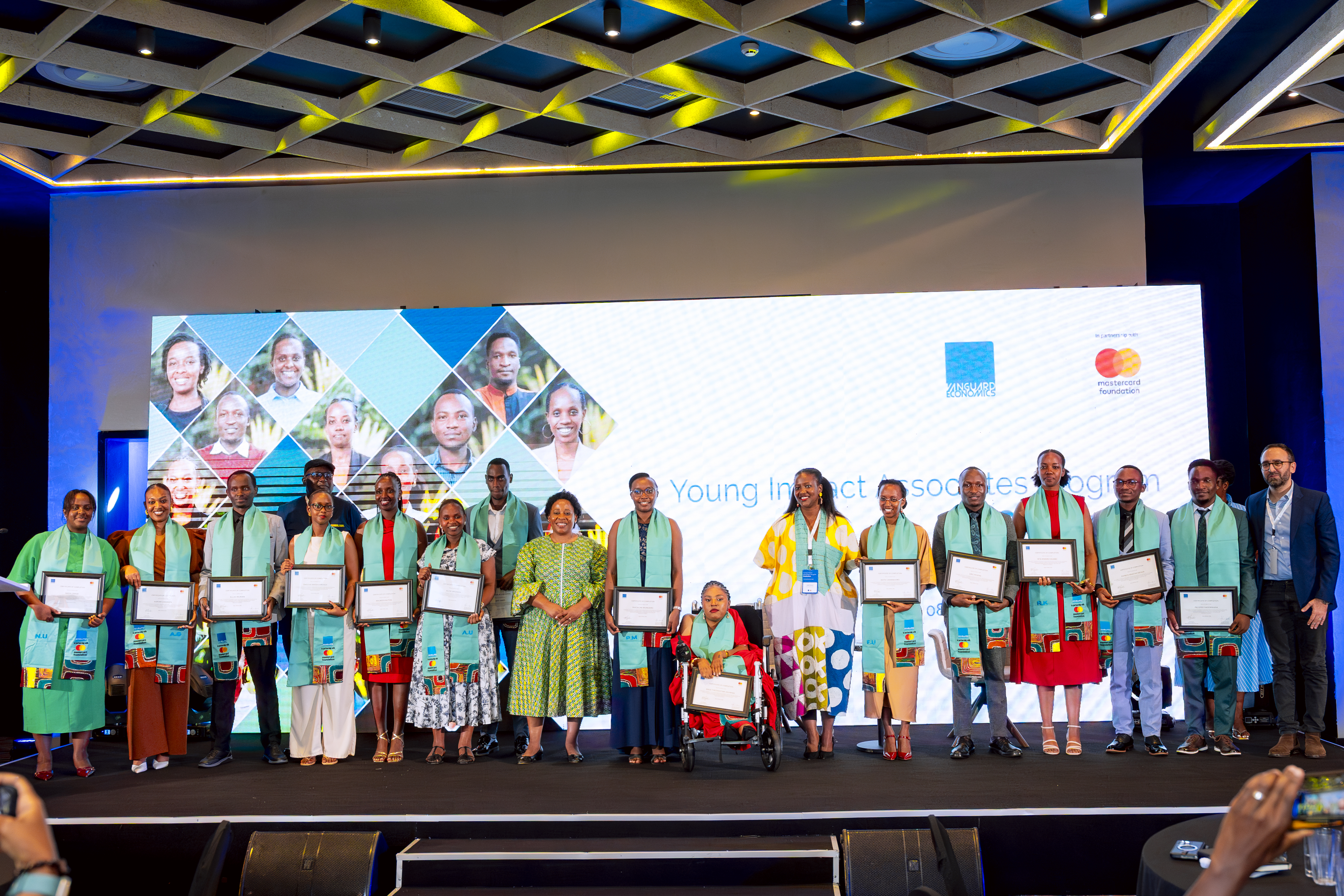
Through platforms such as the Africa Food Systems Forum and partnerships that include Mastercard Foundation, young entrepreneurs can meet investors, gain customers, exchange knowledge and participate in conversations shaping the future of African agriculture.
For these entrepreneurs, the impact of such platforms is not confined to the days of the forum. It can be measured in new markets, avoided production challenges, employment opportunities, business expansion and greater confidence among young people who increasingly see agriculture as a viable career and investment.
Their message is clear: agriculture can empower Africa’s young people, but young people must be trusted, financed and included in designing the food systems they are expected to transform.
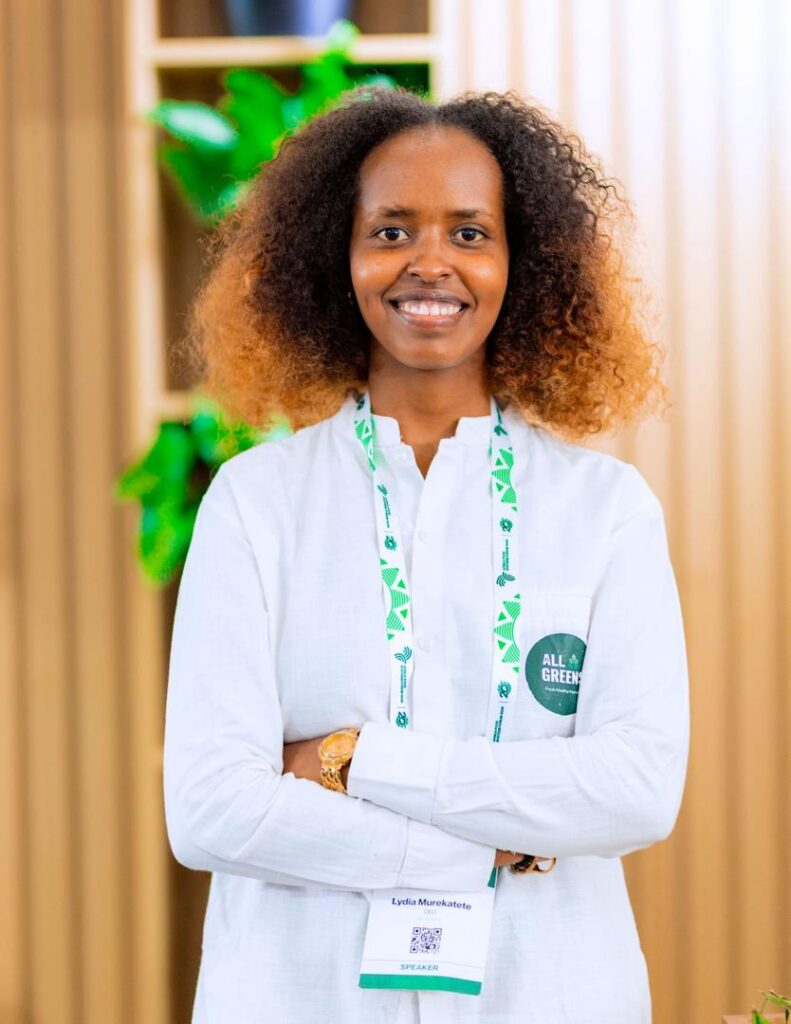
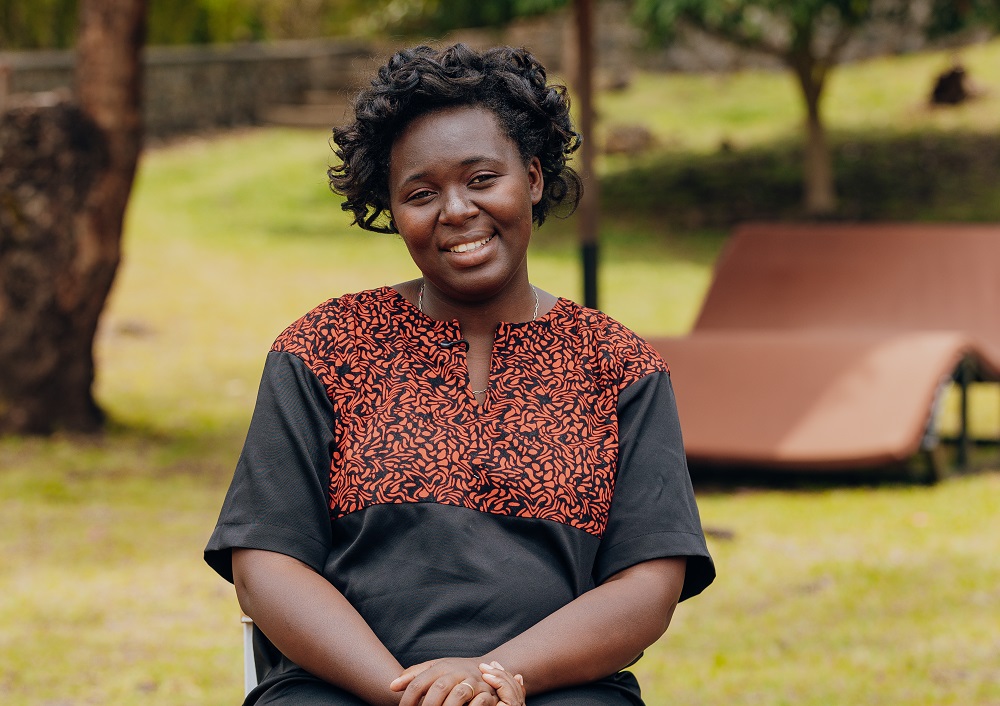
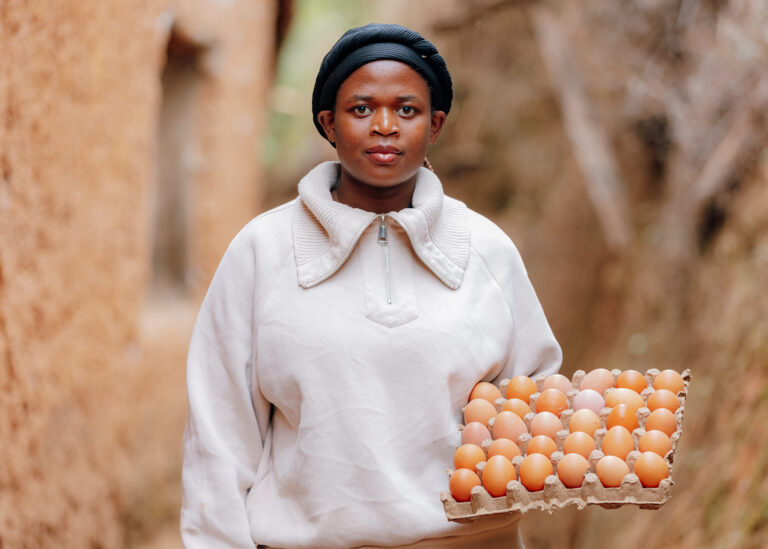
Lydia Murekatete founded All Greens in late 2024
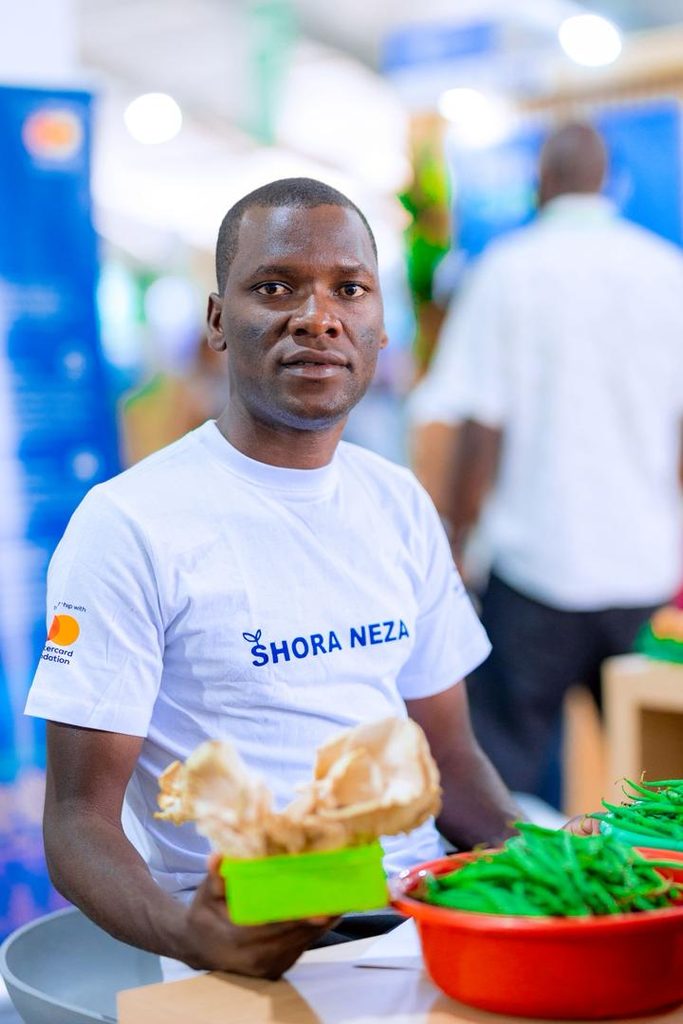
Pierre Celestin Masengesho’s journey into agriculture began during the COVID-19 pandemic in 2020
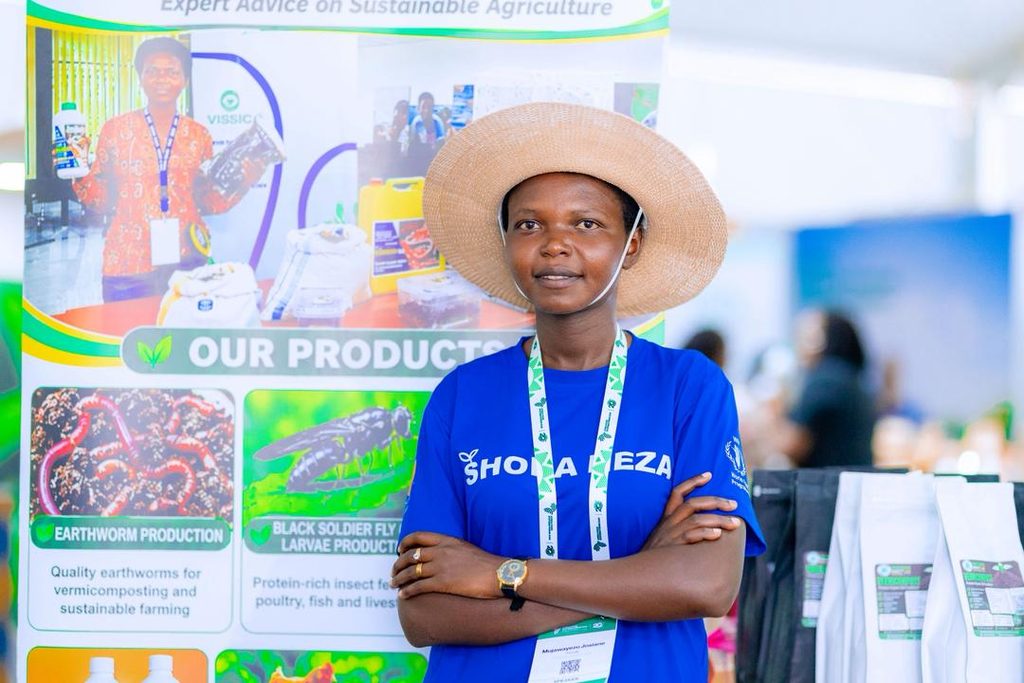
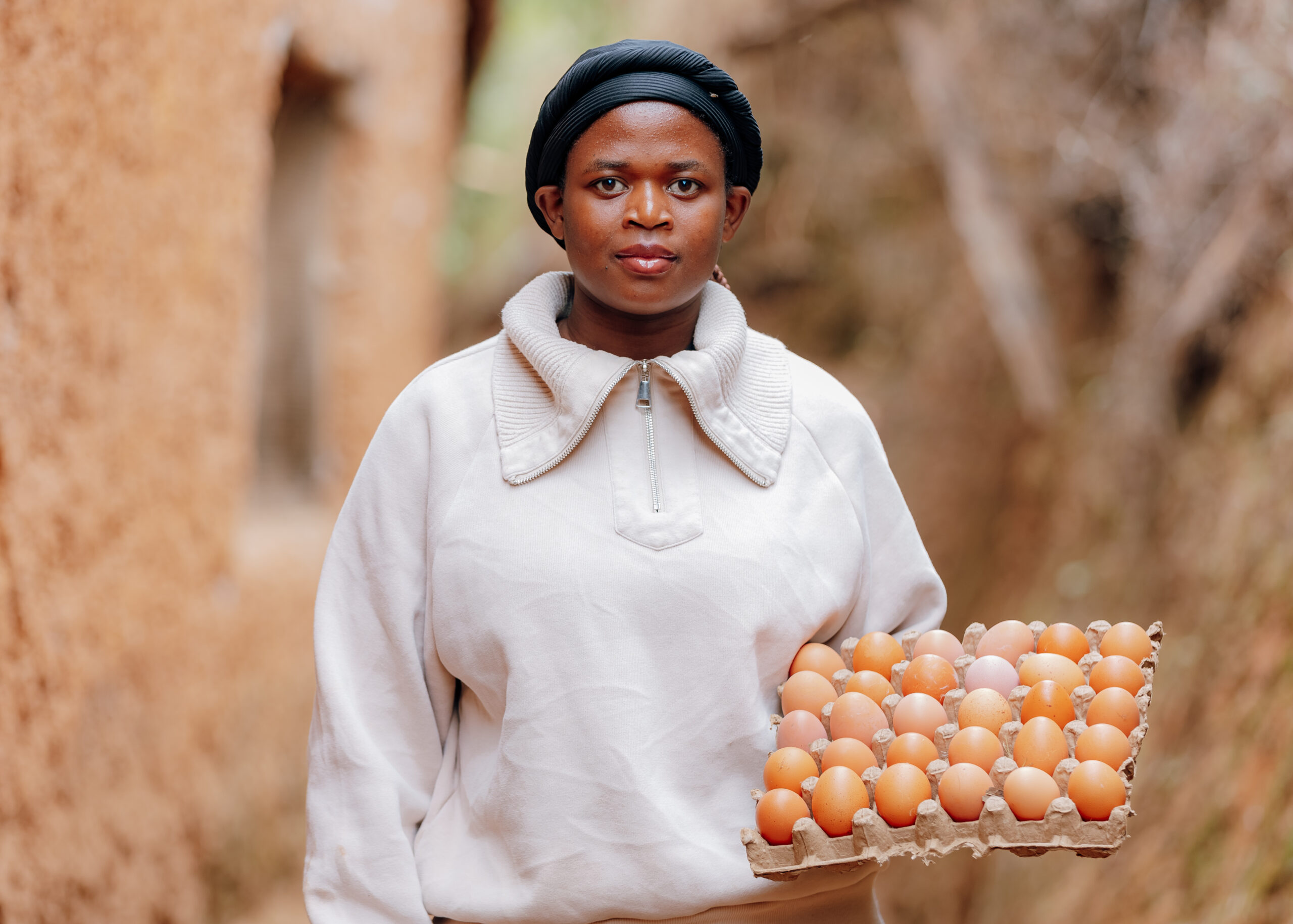
Josiane Mujawayezu’s enterprise demonstrates how scientific knowledge and environmental sustainability can be transformed into a growing agricultural business