
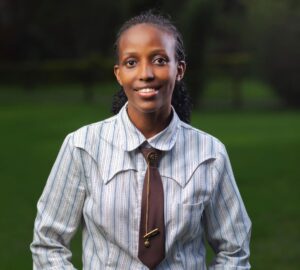



























For years, Rebecca Gakwaya never imagined herself in the world of pastry and coffee. Fresh out of university with a background in business management, she was drawn to fast-paced, high-pressure environments. A bakery, from the outside, felt too quiet, too “cute,” too far removed from the kind of challenge she thought she wanted.
But in late 2019, she joined Baso Pâtissier as a manager. What seemed like a simple step quickly became something far more demanding. Behind the calm storefront was a 24-hour operation, where even the weather could affect production. The temperature of water in the dough had to be adjusted daily, machines ran continuously, and precision was everything. What looked peaceful on the surface was, in reality, a constant exercise in problem-solving and discipline.
Despite having no prior experience in the industry, Rebecca immersed herself in the business.
The early days were defined by both resilience and uncertainty. The team was strong, but the business was still a startup, with few systems in place. Equipment breakdowns were frequent, sometimes in the middle of the night, forcing Rebecca to quickly develop a problem-solving mindset. Each challenge required immediate decisions, often without a roadmap.
Then, just a few months into her role, the COVID-19 pandemic hit. The business was forced to close temporarily, disrupting operations just as she was beginning to introduce structure.
As operations resumed, Rebecca focused on bringing structure to every aspect of the business, from maintenance schedules to supplier relationships and staff coordination. But as the business grew, new challenges emerged. Consistency became critical. It was no longer enough to produce quality products; they had to be the same every day, for every customer. Achieving that level of reliability required deeper analysis, better questions, and constant refinement.
By 2023, the business had stabilized. Systems were in place, and Baso Pâtissier was standing on solid ground. But Rebecca knew there was more to unlock. That’s when she joined the BPN Rwanda Grow to Scale program, supported by the Mastercard Foundation, which works with growth-oriented SMEs to strengthen business systems, improve management practices, and build pathways to scale.
The experience marked a turning point.
Through structured training, coaching, and practical tools, Rebecca began to shift from intuition-driven decisions to data-driven strategy. The program challenged her to look beyond surface-level fixes and dig deeper into how she led, how she made decisions, and how the business operated at its core.
One of the most transformative tools was the introduction of a clear business roadmap. For the first time, Rebecca developed a detailed multi-year plan, outlining where the business was headed and how to get there. It became a reference point, something to return to whenever day-to-day pressures threatened to pull her off course.
At the same time, financial tools and pricing frameworks allowed her to make faster, more informed decisions. Products were no longer kept based on preference or instinct alone; they were evaluated based on performance and impact. Decisions that once took months could now be made in weeks, backed by data.
The impact extended to how Rebecca managed her team. Hiring, once based largely on instinct, became more systematic, ensuring better alignment and long-term stability. Clearer roles, better communication, and stronger internal processes helped create a more stable working environment, allowing Rebecca to spend less time reacting to daily problems and more time building the structures needed for people and production to grow.
Today, as the business approaches its tenth year, Rebecca can see the difference. Growth has become more intentional, less reactive. Decisions are clearer, systems are stronger, and the business is positioned to expand further, including plans to extend operating hours and reach new customer segments.
Since joining the program, Baso Pâtissier has grown from 15 to 21 employees, while daily production has expanded to over 200 croissants per day. These changes show how better systems and data-driven decisions are translating into practical business growth, stronger operations, and new employment opportunities.
Beyond the business itself, Baso Pâtissier is also contributing to skills development in Rwanda’s food and hospitality sector. As the company grows, it provides hands-on experience for young people working in baking, service, production, and operations, helping build practical capabilities in a sector that depends on quality, consistency, and customer experience.
Rebecca’s experience reflects a wider challenge for many small businesses in Rwanda: growth often depends on whether entrepreneurs can move from personal resilience to systems that allow the business to operate, adapt, and scale.
Her journey reflects the evolution of an entrepreneur, from relying on instinct and resilience to building a structured, scalable business grounded in clarity and strategy.
As Rebecca puts it: “You can’t just stay on the surface and hope things will work. You have to go deeper into your business, into your decisions, and into yourself. That’s where the real growth happens.”
For entrepreneurs building growing businesses, Rebecca’s story is a reminder that scale requires more than ambition. It requires systems, data, and the right support. Programs that combine coaching, practical tools, and access to growth pathways can help more SMEs build the foundations needed to grow, create jobs, and contribute to Rwanda’s wider enterprise ecosystem.
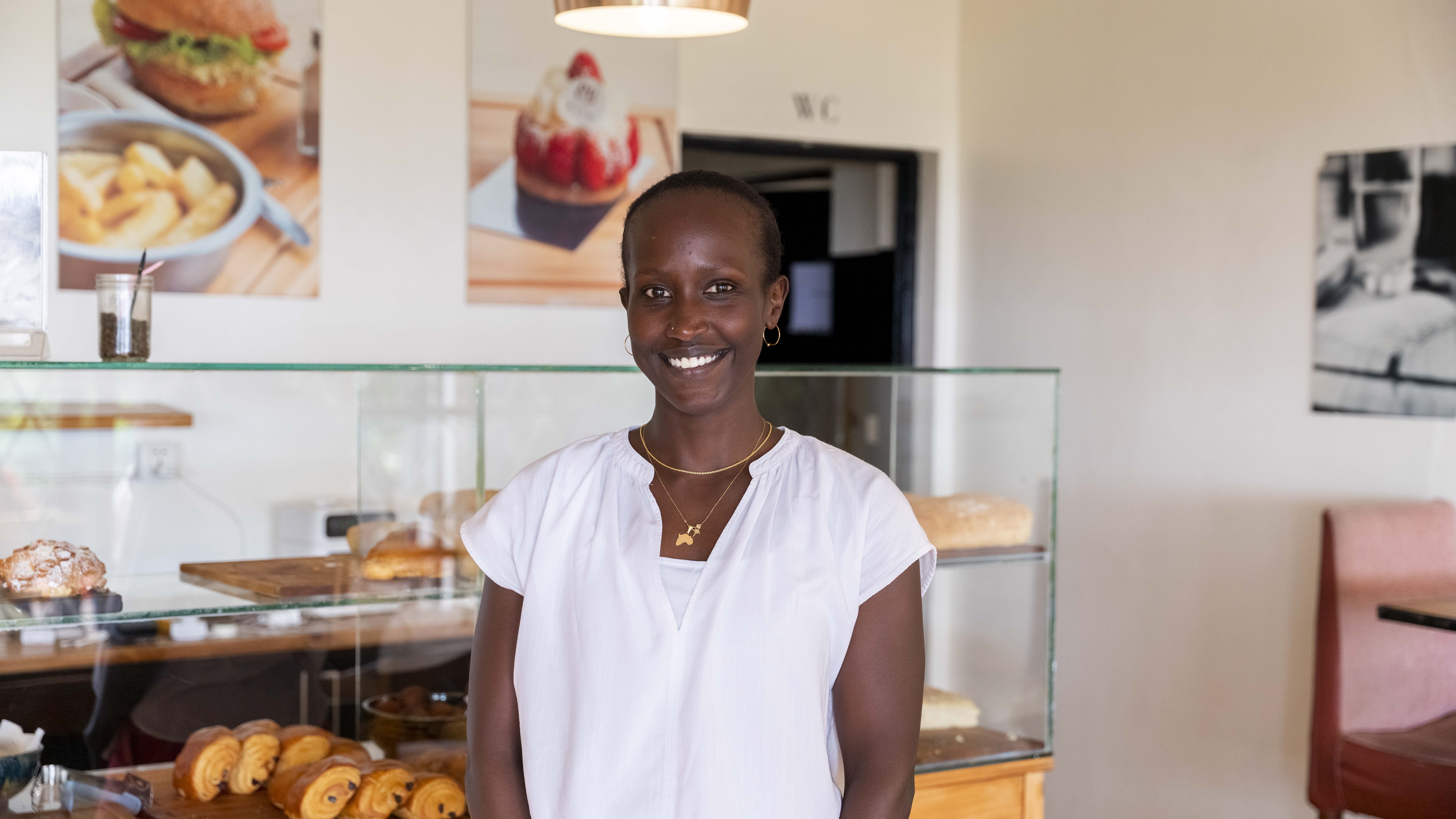
For years, Rebecca Gakwaya never imagined herself in the world of pastry and coffee
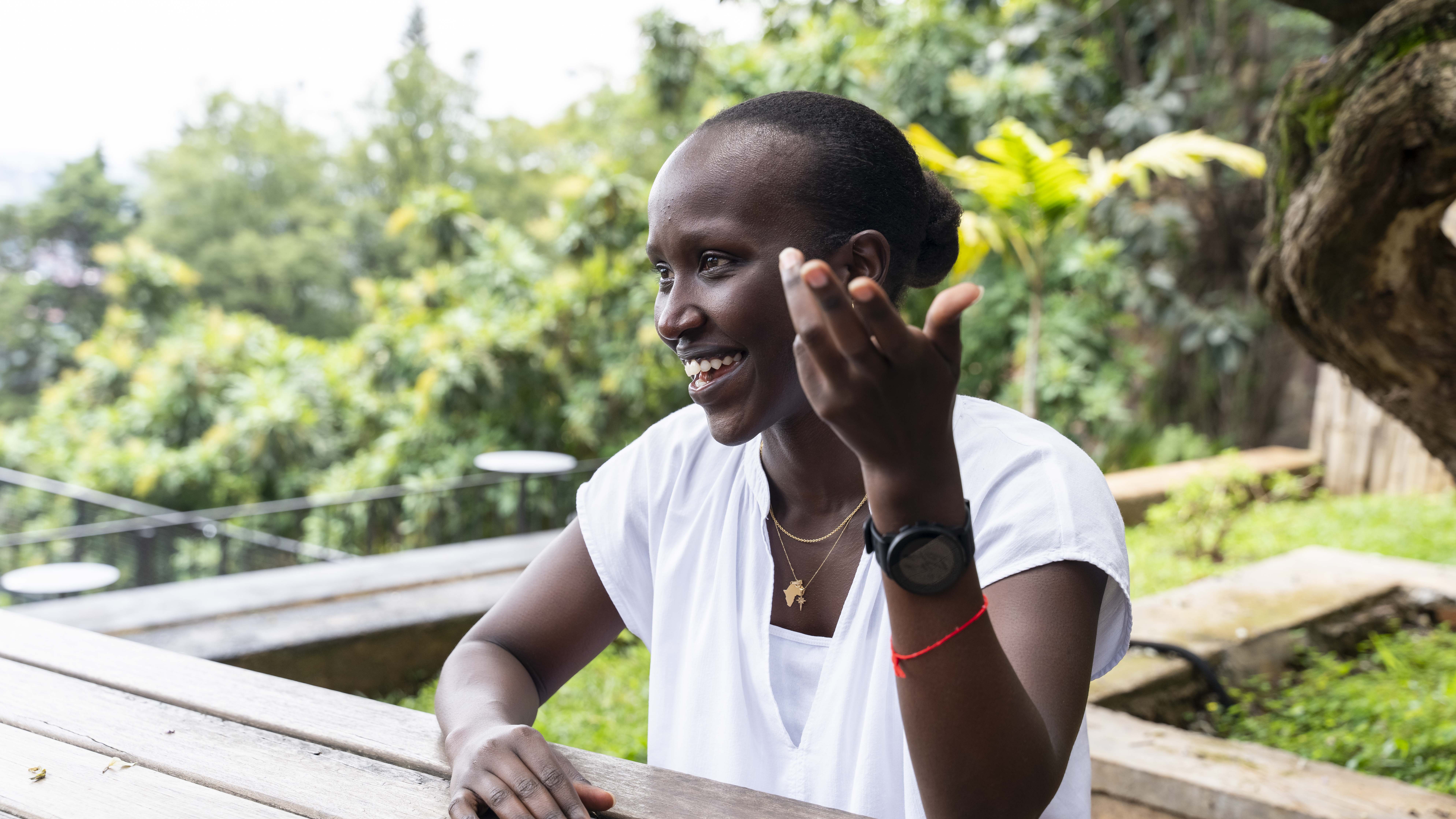
Despite having no prior experience in the industry, Rebecca immersed herself in the business