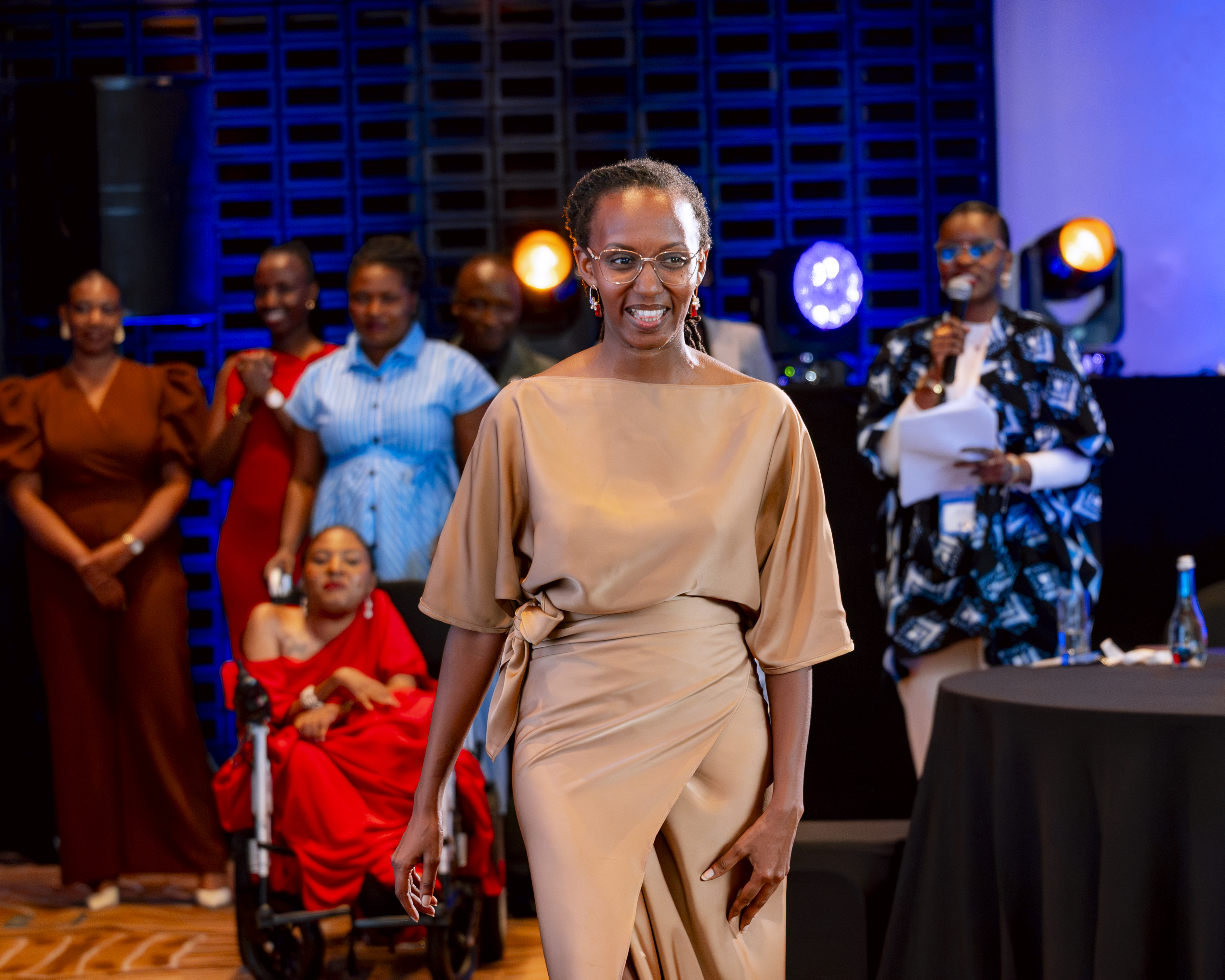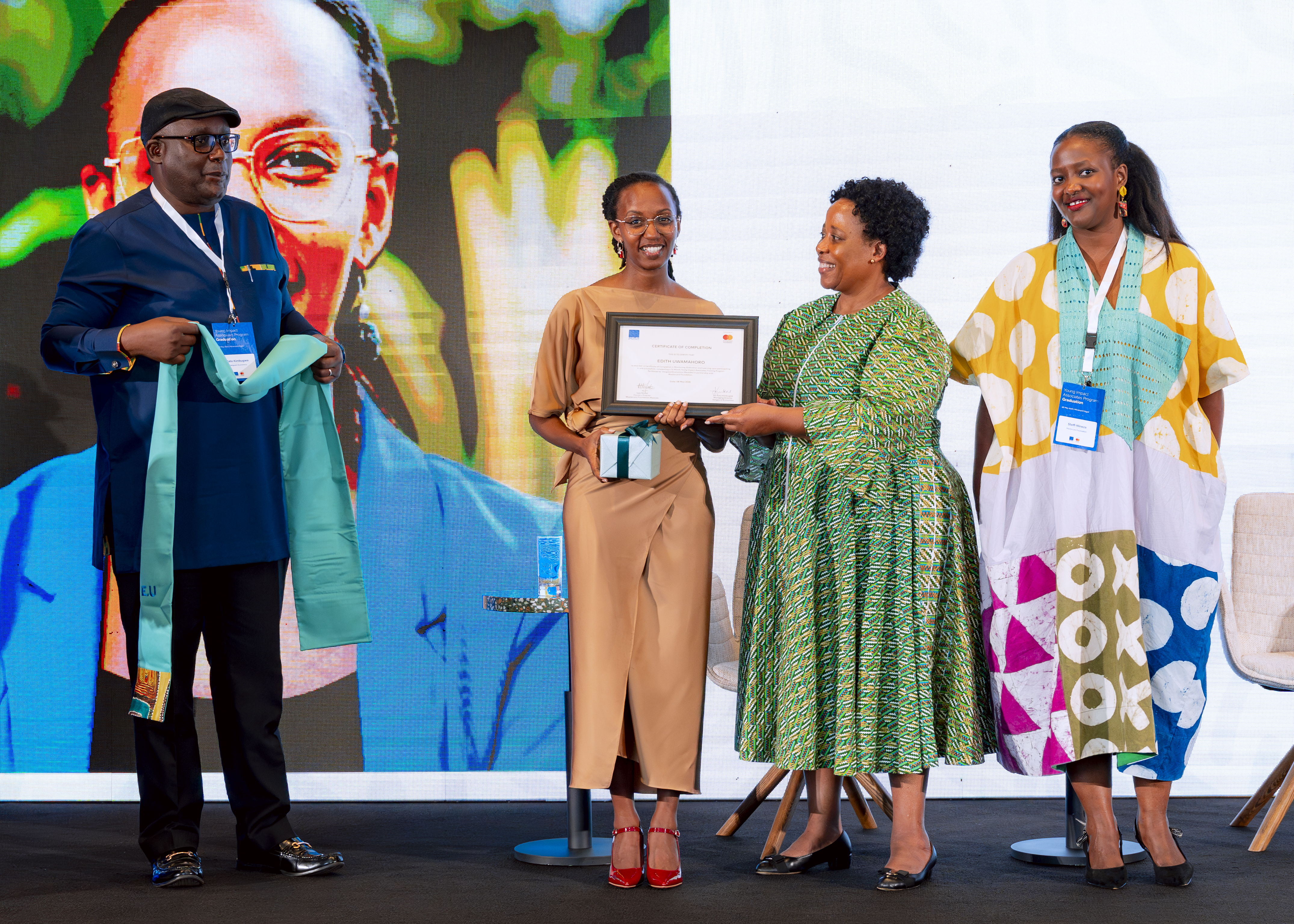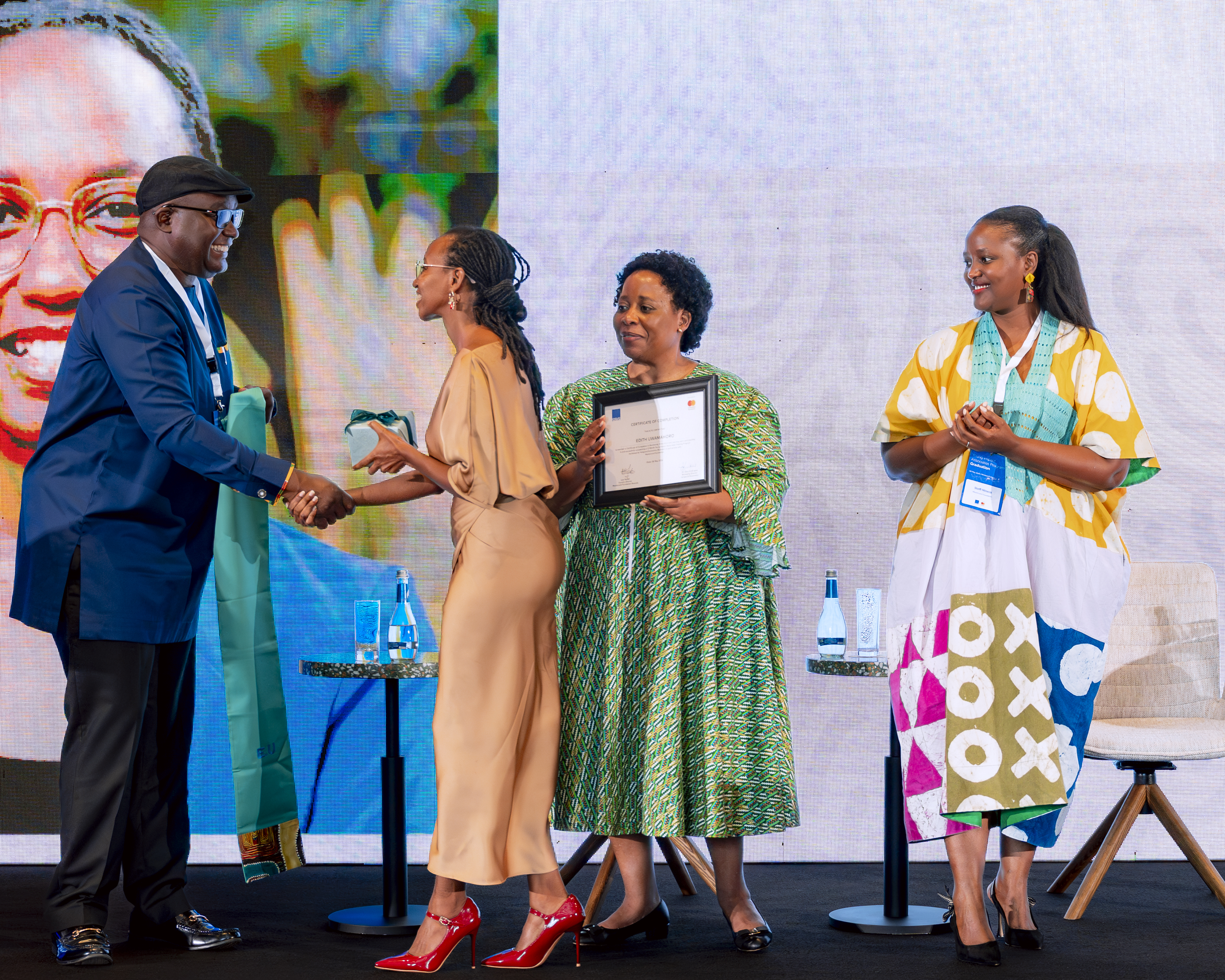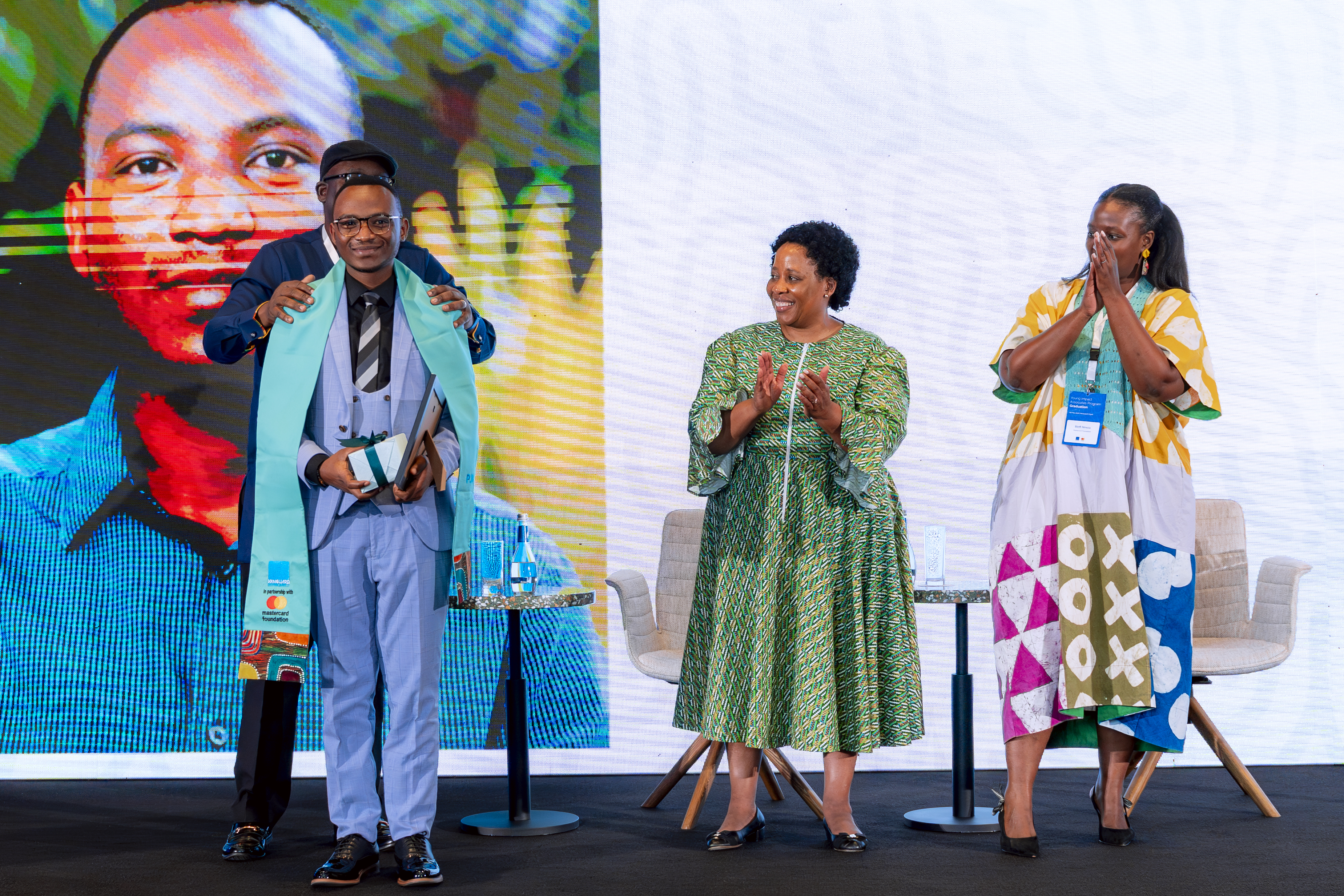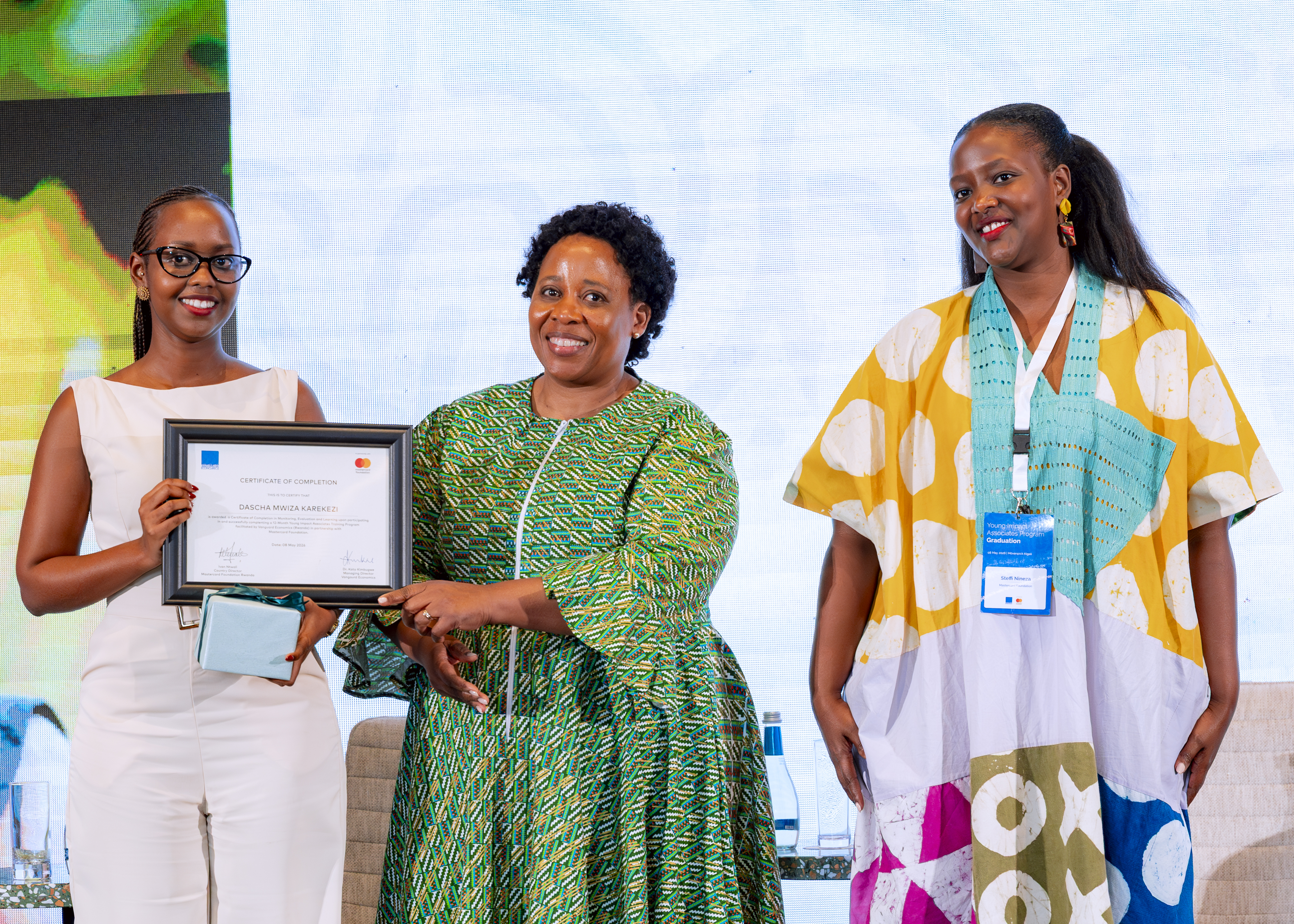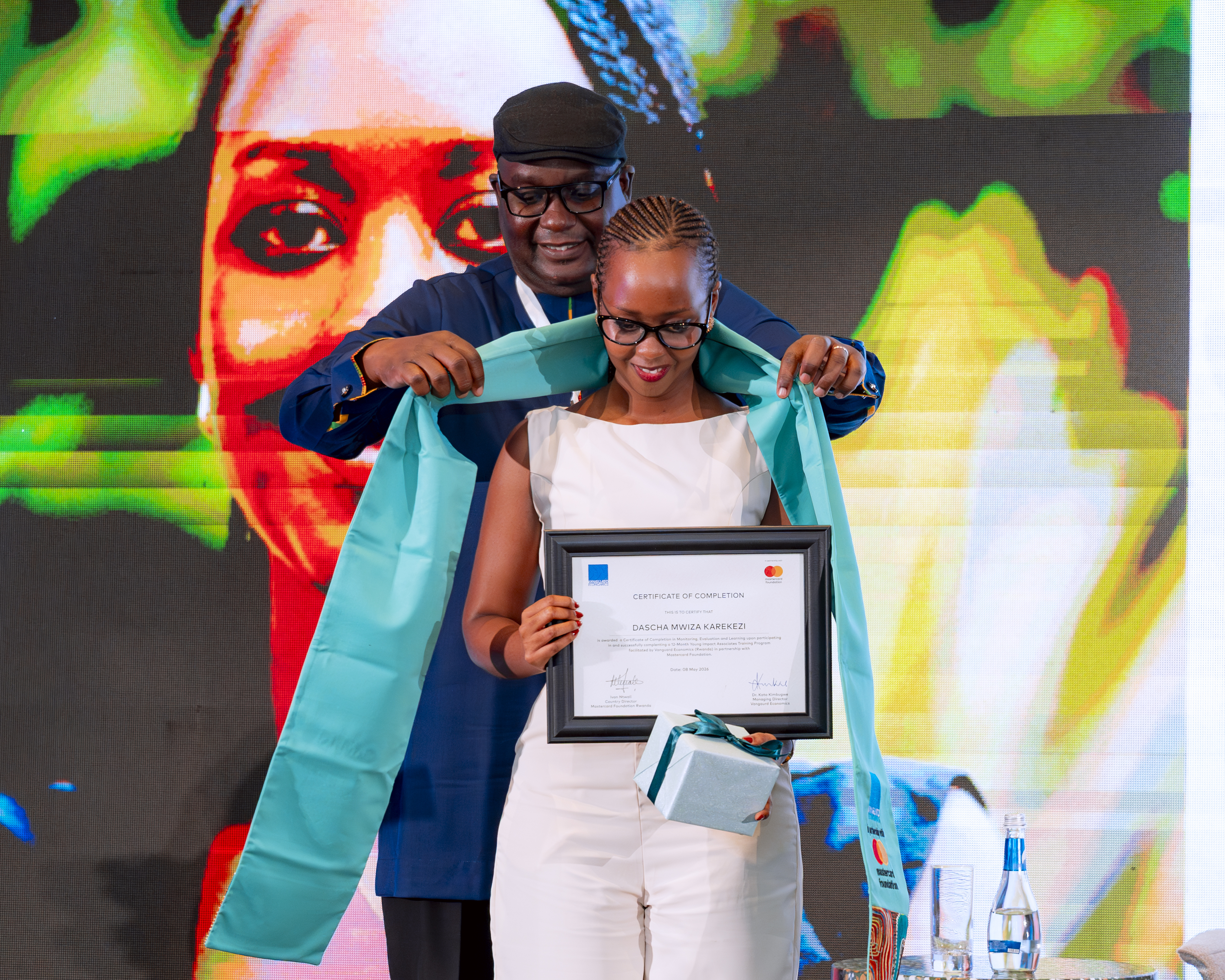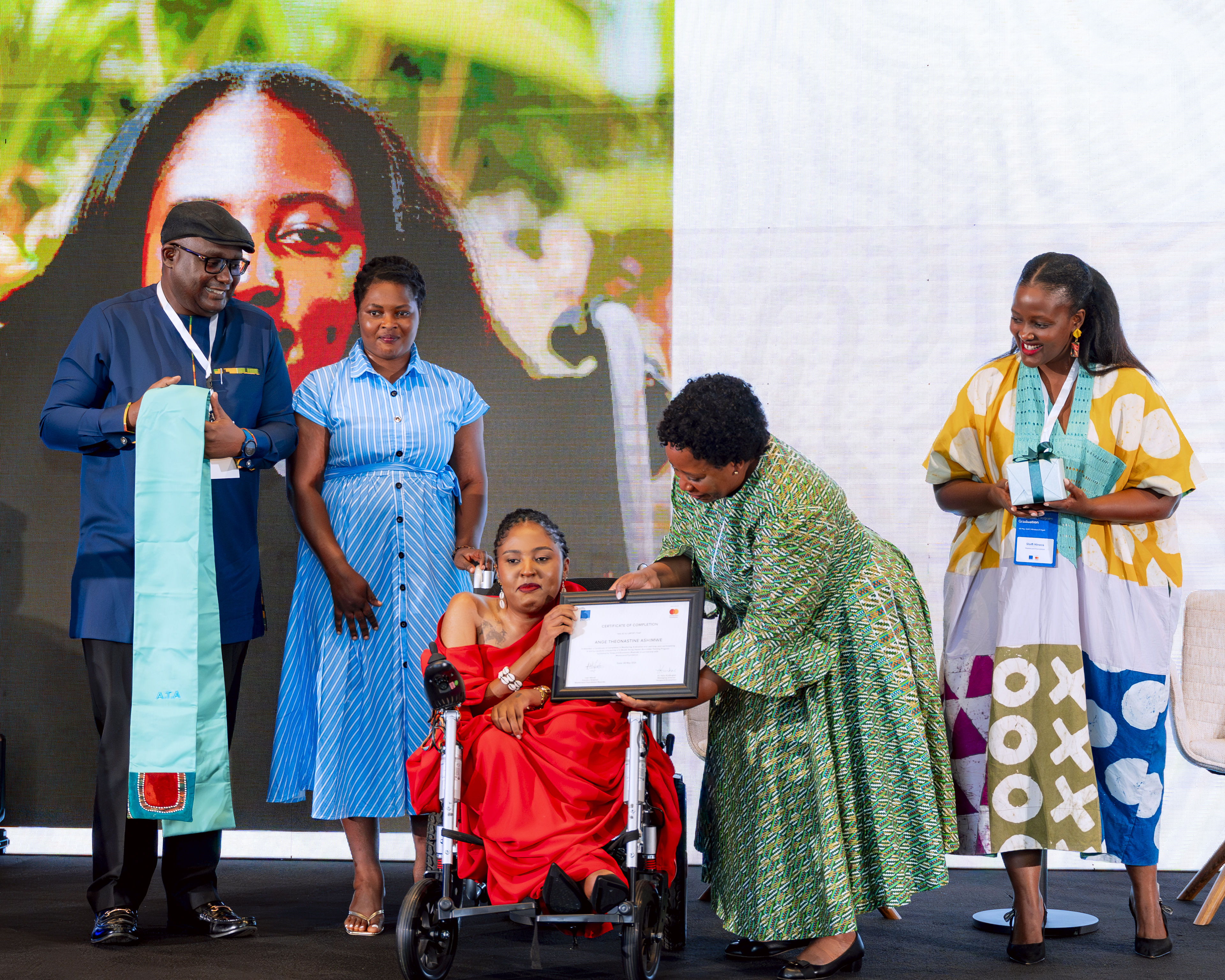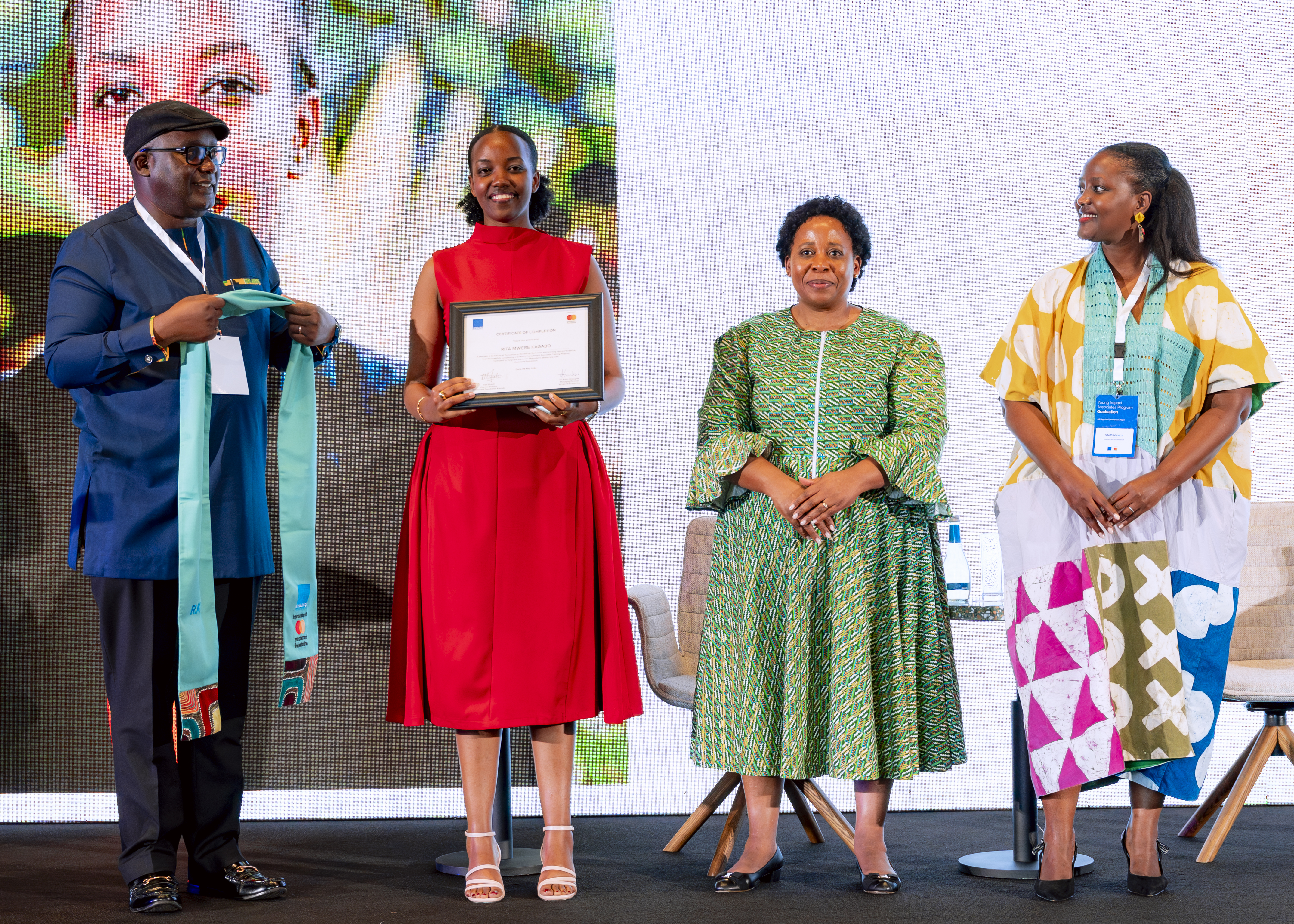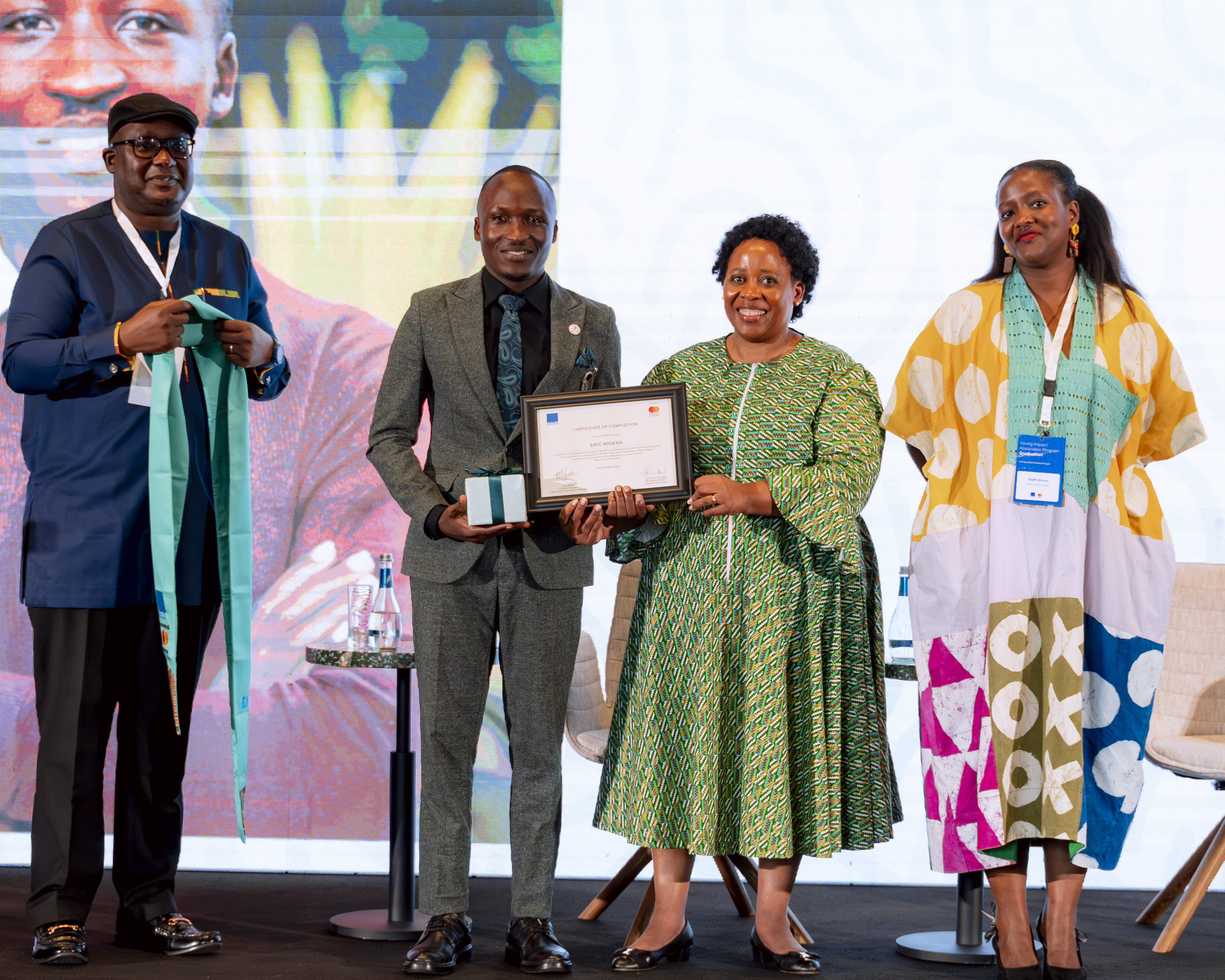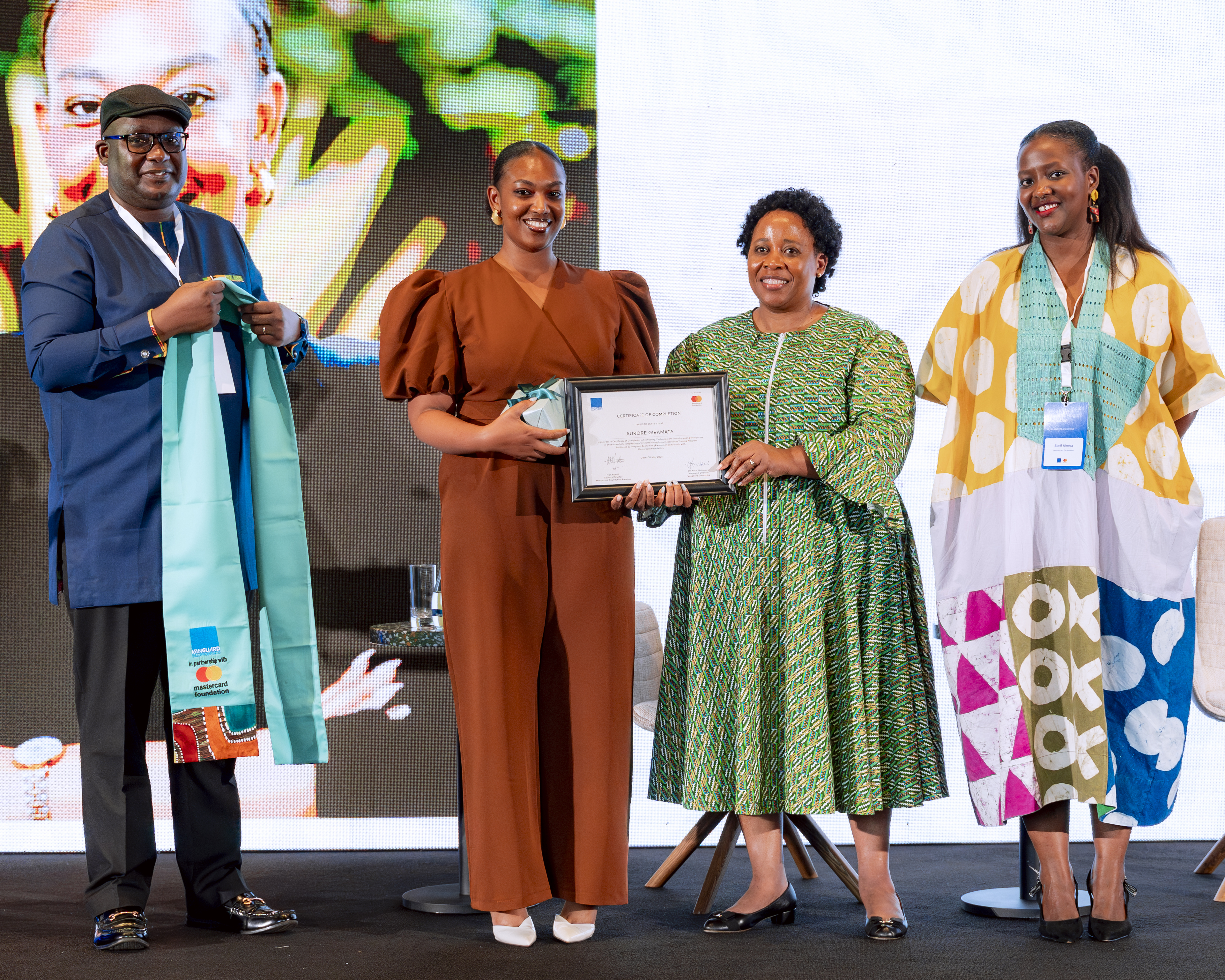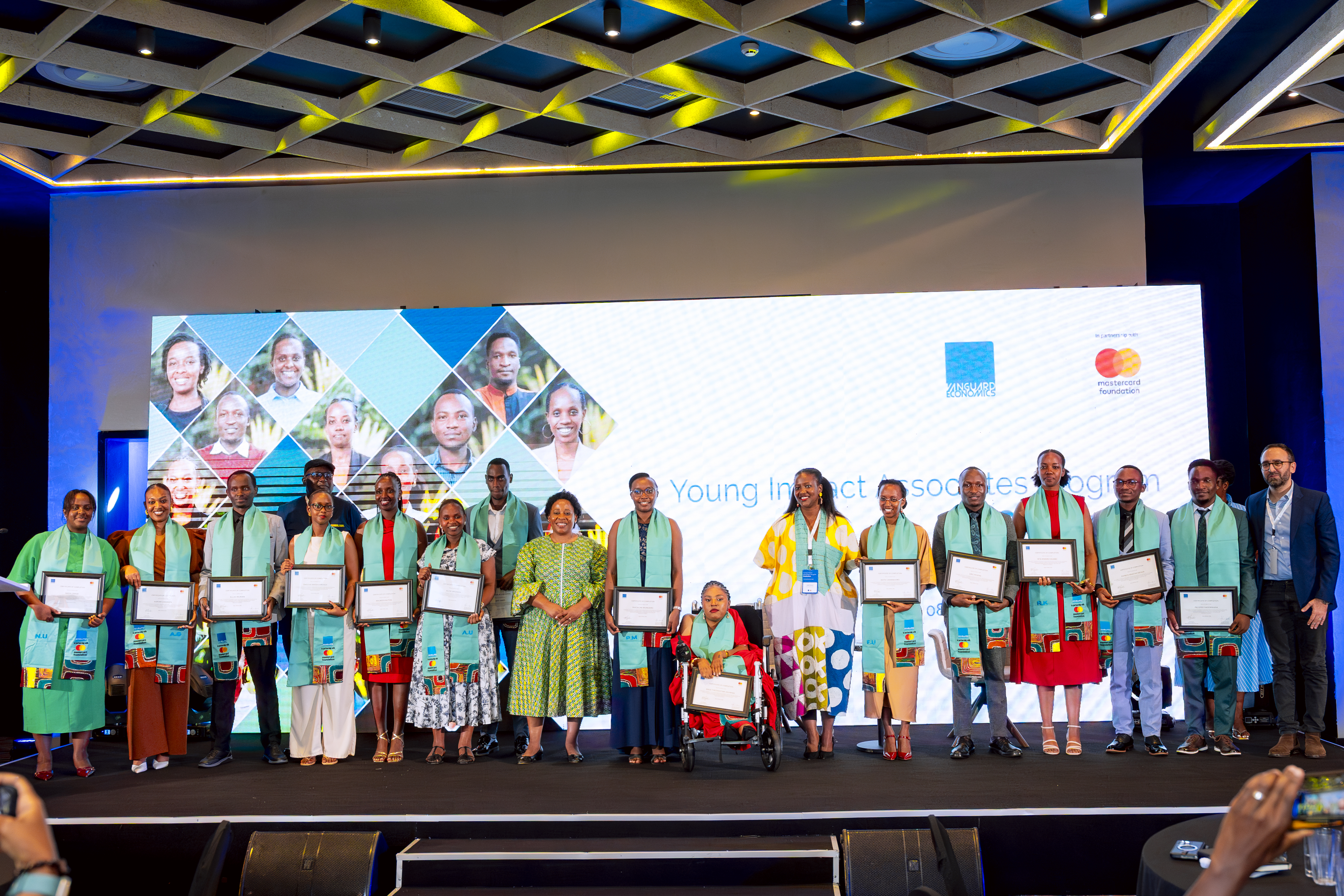








































The second cohort of the Young Impact Associates (YIA) Program graduated on Friday at Mövenpick Hotel Kigali, marking a significant milestone for Rwanda’s Monitoring, Evaluation, and Learning (MEL) ecosystem and youth-led development. This graduation reflects not only the success of the program but also its growing impact and alignment with Rwanda’s Vision 2050 national development agenda.
The YIA Program is a Mastercard Foundation (MCF) investment under its Young Africa Works strategy, which aims to enable 30 million young Africans, particularly women, to access dignified and fulfilling work by 2030, while developing the next generation of impact leaders across Africa. Implemented in partnership with Vanguard Economics, the program has provided technical skills training, mentorship, and hands-on project experience for young professionals.
Through this approach, the YIA Program is helping create a pipeline of skilled professionals ready to contribute to Rwanda’s development challenges by generating evidence, measuring impact, and shaping policies. The graduation of this second cohort signals a growing appetite and momentum for evidence-based leadership in Rwanda and beyond, as more young professionals are empowered to lead with data-driven insights.
The YIA Program aims to bridge the gap in local expertise by ensuring that young Africans are the ones generating and applying the evidence needed to solve development challenges. As global investments in development continue to grow, this shift in local ownership of data and evidence is more crucial than ever. As the program continues to grow, it is clear that it is not just a one-time initiative but a sustained effort to equip the next generation of professionals with the skills necessary to make significant contributions to Rwanda’s development and to Africa’s future.
In her welcoming remarks on behalf of the Mastercard Foundation Country Director, Steffi B. Nineza, Head of Gender and Inclusion, connected the YIA Program to a broader ambition: empowering 300,000 young Rwandans to access dignified work by 2030 under the Young Africa Works strategy. “The program is one of Mastercard Foundation’s key investments in developing the next generation of impact leaders,” she said, underscoring its role in expanding opportunities for young professionals across Rwanda.
Dr. Kato Kimbugwe, Managing Director at Vanguard Economics, also highlighted the program’s alignment with Rwanda’s Vision 2050 national development agenda, stressing that the country’s most complex challenges require homegrown evidence and leadership. He emphasized that “Rwanda’s development challenges require homegrown solutions, and building them starts with equipping the next generation to lead with evidence,” thus integrating the YIA journey into the broader narrative of national transformation.
Speakers at the event pointed to a sharper development challenge: while global investments in development continue to grow, Africa still faces a shortage of professionals capable of producing locally relevant evidence that can shape policy and practice. The YIA Program seeks to close that gap by placing young Africans at the center of evidence generation, analysis, and impact measurement, enabling them to lead with both data and insight.
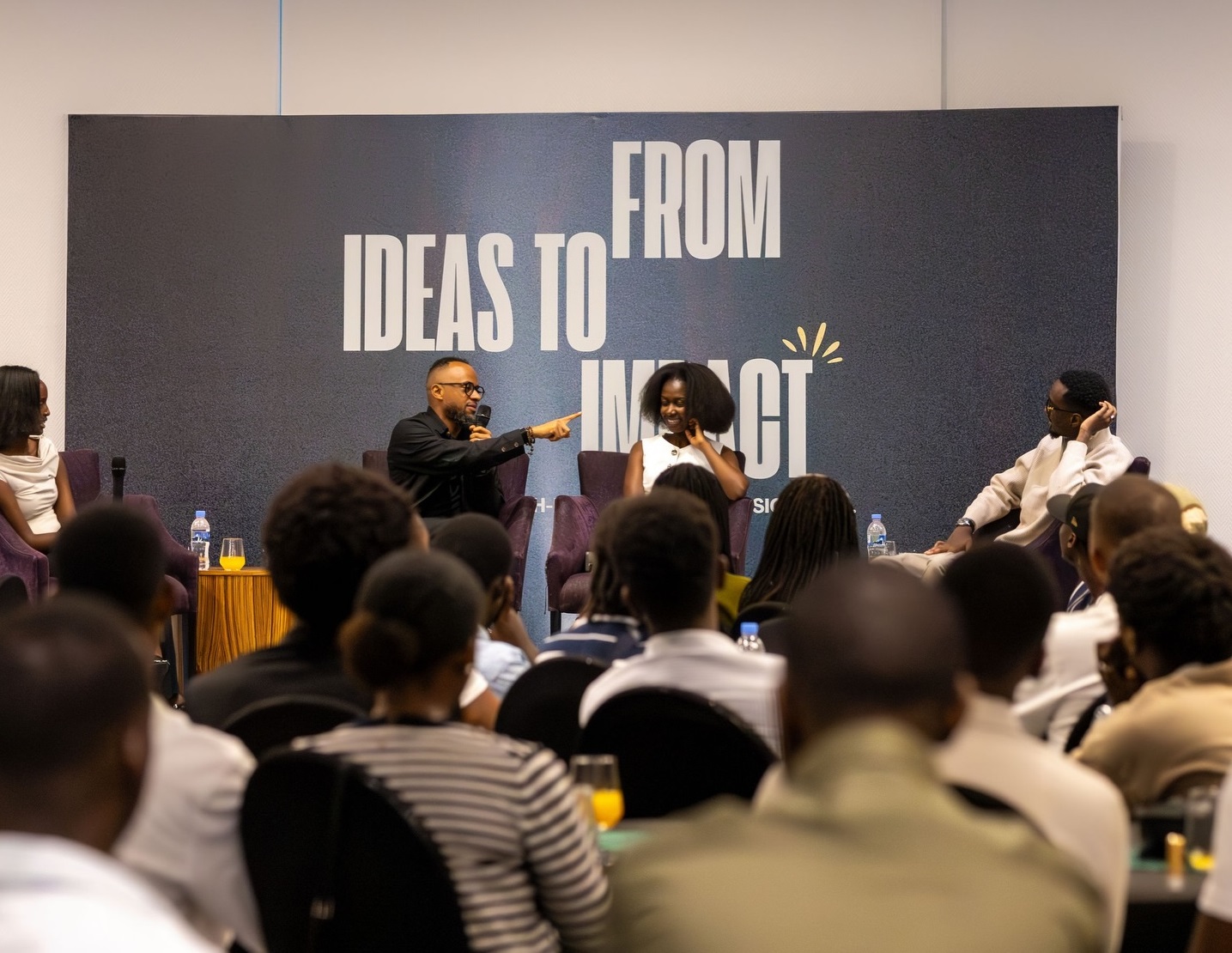
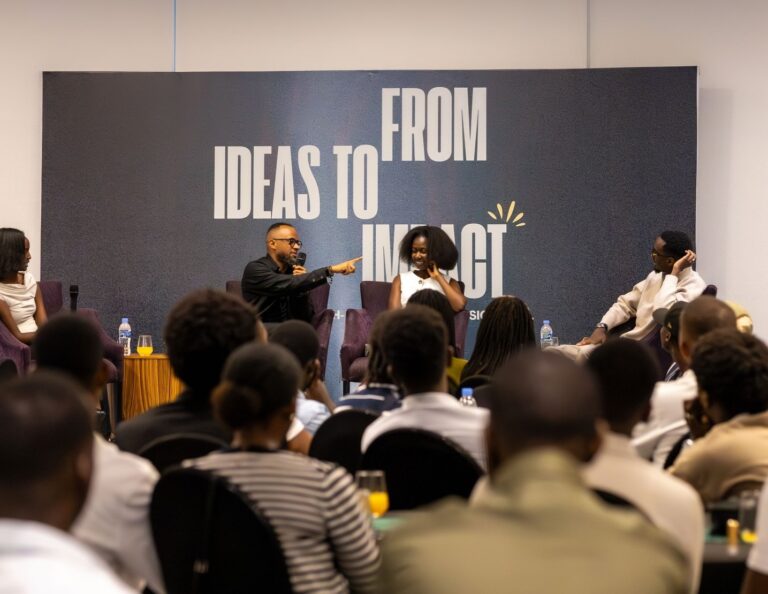
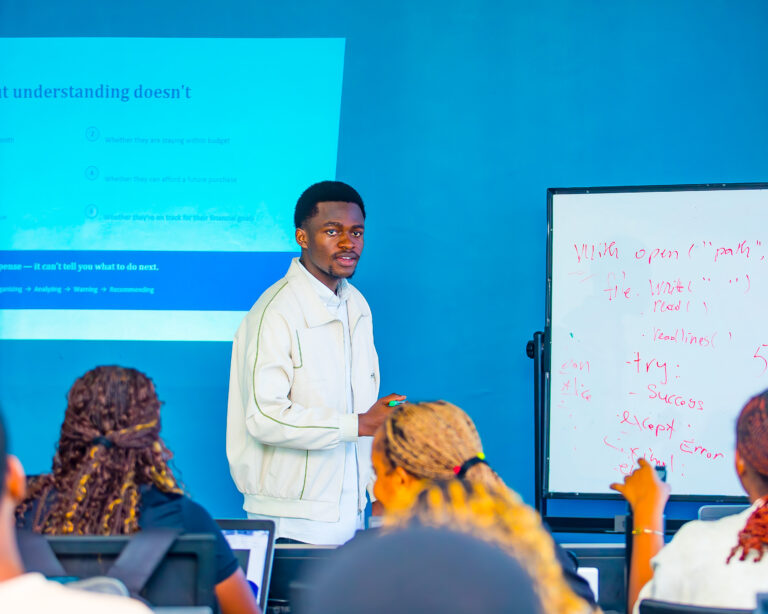
A key part of the ceremony was a fireside chat with graduates, where they shared their personal experiences and insights about the program. Participants spoke about how they were pushed from theory into practice, were stretched beyond technical competencies, and were empowered with a clearer sense of purpose and leadership. One graduate shared that the experience taught them to “think not just as a technician, but as a changemaker who uses evidence to transform systems.”
The graduates also shared how the program had reshaped their professional outlook. Mwiza Dascha Karekezi, a public health expert, noted how the training boosted her confidence in applying data analysis and monitoring skills to real-world health challenges. Ange Ashimwe, a researcher, explained how mentorship during the program refined her analytical approach and strengthened her commitment to addressing development challenges across Africa.
Elijah Murara, who holds a Master’s in Global Health Delivery, shared that the YIA Program strengthened his ability to contribute to neglected tropical disease initiatives through evidence-based research and practical insights that informed his work in the field. Pascale Munezero, also a participant in the YIA Program, testified that the experience significantly expanded her professional network and strengthened her capacity to conduct inclusive and impactful development research through practical tools, mentorship, and evidence-based approaches.
The ceremony concluded with recognition of the program’s proven results. An impressive 93% of the first cohort secured employment soon after completing the program, underscoring its real impact on the careers of young professionals and their contributions to Rwanda’s development agenda. This success highlights the program’s role in shaping the next generation of leaders who are making tangible contributions to Rwanda’s socio-economic development.
As the new graduates embark on their next professional chapters, they do so with practical experience, robust mentorship, and a strong commitment to evidence-based leadership. They are now ready to help shape Rwanda’s future and contribute meaningfully to the development of the continent.
As Rwanda continues to strengthen its evidence-driven development agenda, programs like YIA are creating critical pathways for young professionals to lead change across sectors. Young graduates, researchers, development practitioners, and institutions are encouraged to invest in and support initiatives that empower African youth with the skills, mentorship, and opportunities needed to shape inclusive and sustainable solutions for the continent’s future.