






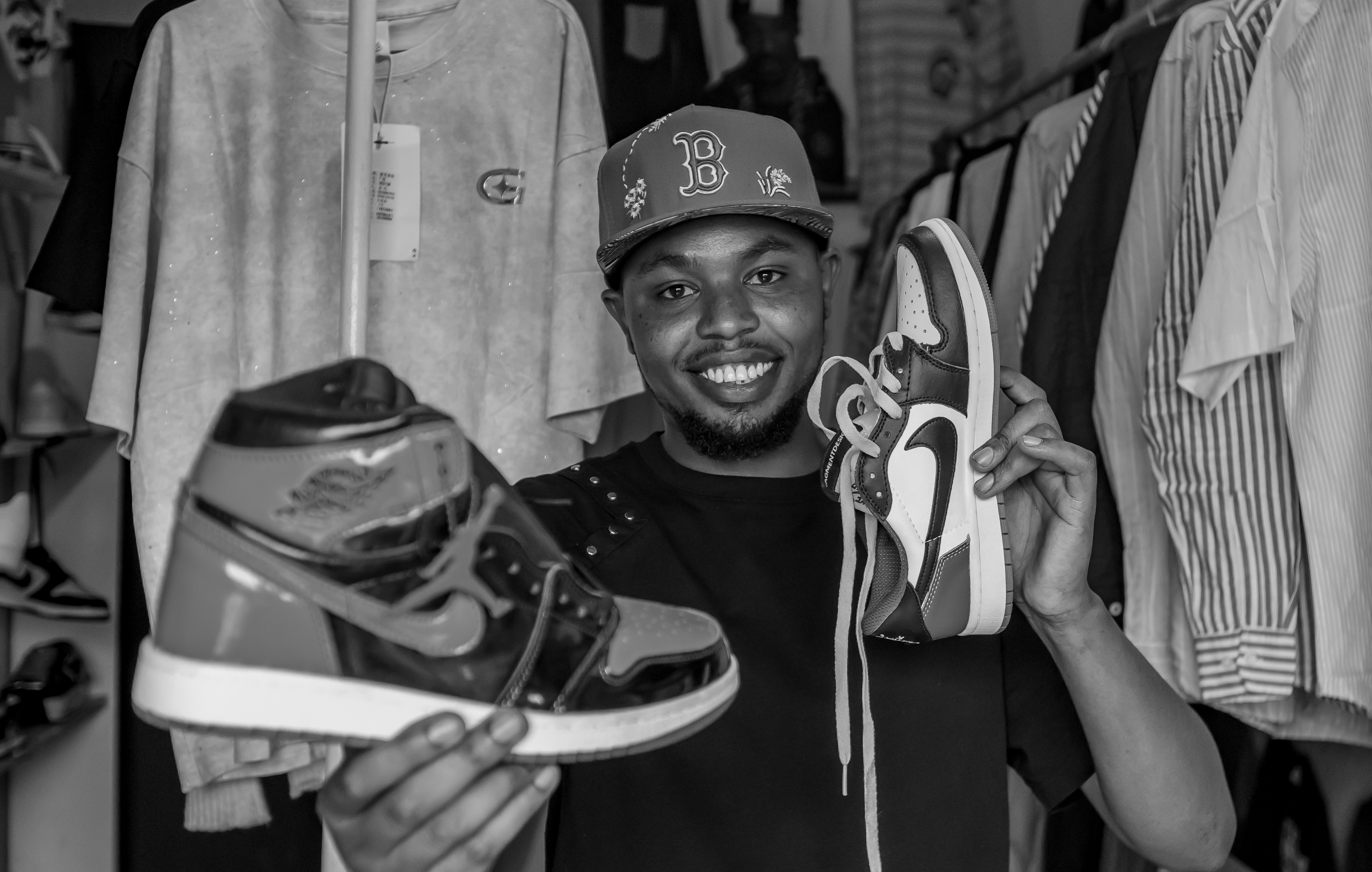
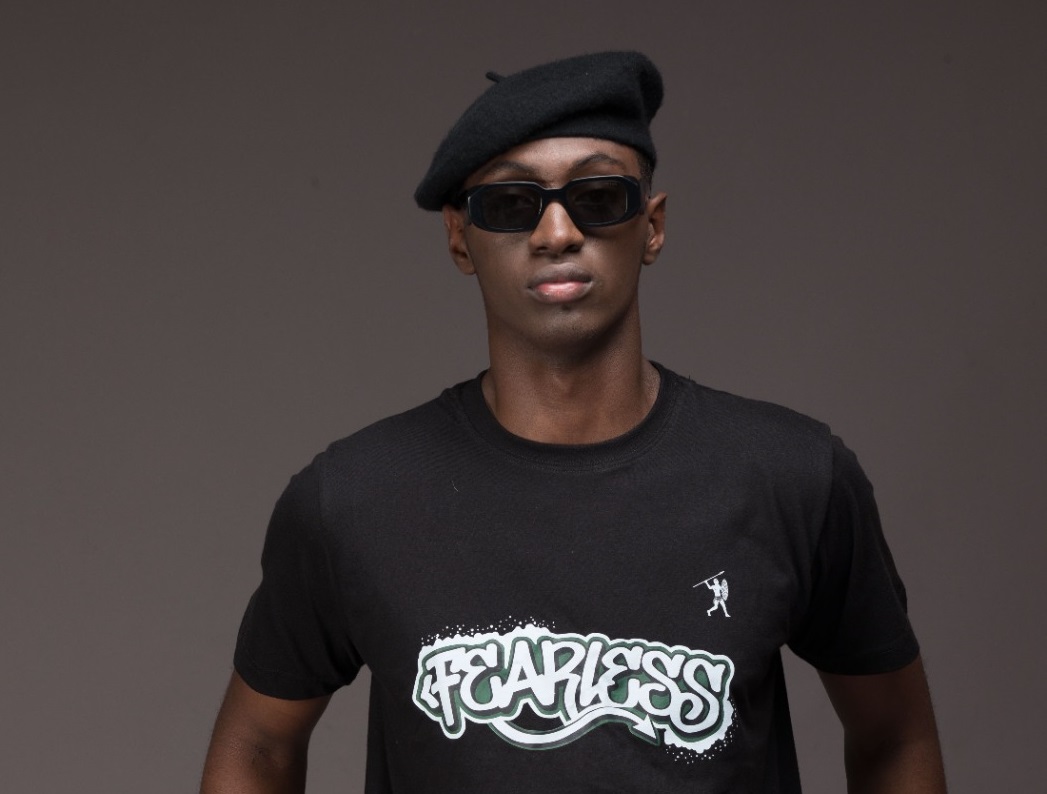
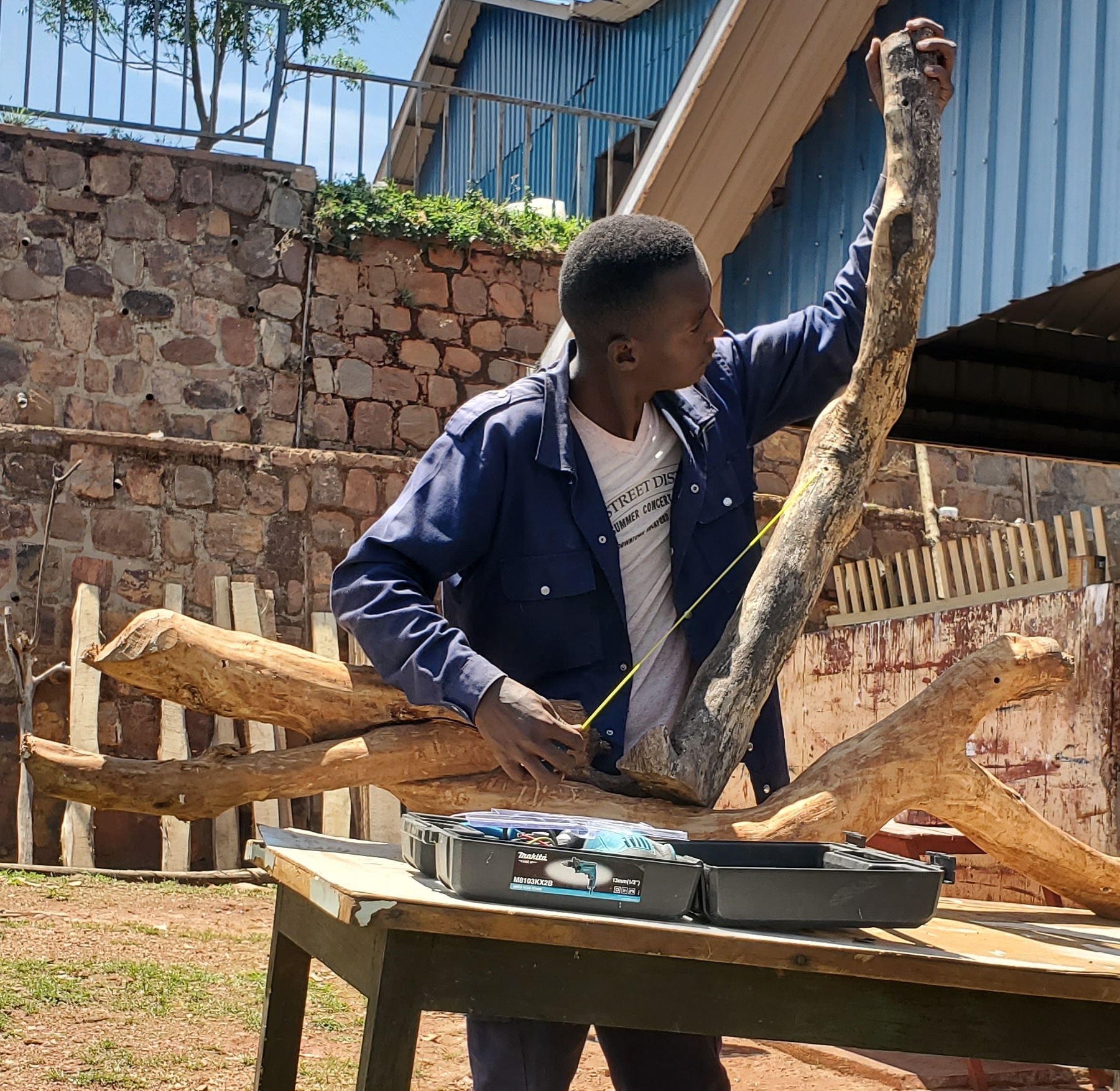








Seven young men who were once rehabilitated at the Iwawa Rehabilitation Center, after being arrested for drug-related offenses, have now become successful entrepreneurs and role models for change.
In 2015, with just 13,000 Rwandan Francs, they came together to start a business. Today, their project has grown into a thriving enterprise worth 35 million Rwandan Francs, allowing them to support their families and contribute to their community.
Initially, the group ventured into goat farming, starting with just seven goats, thanks to a grant of 1.5 million Rwandan Francs from Kicukiro District. Today, they manage a herd of over 40 goats, selling the male goats while continuing to save and reinvest. This success allowed them to expand their efforts.
Later, with additional support from the Rwanda National Police, they were able to establish a professional garage and car wash in Gahanga Sector. The Police provided a grant of 20 million Rwandan Francs, which they used to purchase modern equipment for vehicle repairs, washing, painting, and tire inflation. This funding was crucial in helping them establish and grow their garage and car wash, where they also offer these services to others in need.
The group has since expanded by accepting other former Iwawa residents and formed the “Intore z’Igihugu z’Ejo Heza” cooperative, which now includes 17 members, made up of both men and young people.
The cooperative is based in Rinini Village, Gahanga Sector, Kicukiro District. Among its members is Mugisha Welcome, the youngest at just 22 years old.
Mugisha, who was sent to Iwawa at the age of 18 due to drug use, now urges other young people to stay away from drugs and crime that could lead them down the same destructive path.
He reflects on his past, saying, “I was led astray by drugs and indiscipline. My advice to young people is simple: avoid the path that leads to drugs and other harmful behaviors.”
Musabyimana Emmanuel, 48, who was rehabilitated at Iwawa in 2010, reflects on his journey. Before arriving at Iwawa, he was involved in drugs and indiscipline. During his time there, he learned to sew and became the top student in his class, earning a sewing machine as a reward.
Today, Musabyimana is proud of the life he has built. He has a family, with his wife assisting in the sewing business, while he continues to wash cars at the cooperative’s car wash.
Ntampaka Sylvain, the President of the “Intore z’Igihugu z’Ejo Heza” cooperative, thanks the Rwandan government for offering them a second chance instead of abandoning them because of their past mistakes. He emphasizes how the support and rehabilitation they received have helped them turn their lives around. Now, they are self-sufficient and contributing to Rwanda’s development.
“We came to Kigali, living on the streets, smoking cigarettes, and using marijuana. But I am thankful to the government for rehabilitating us. I’m happy that I no longer smoke,” says Ntampaka. “Regaining my life has been a blessing. Our country is our true parent. The changes we’ve experienced are evident, and we owe a lot of our transformation to President Kagame.”
In the “Intore z’Igihugu z’Ejo Heza” cooperative, members who complete tasks such as fixing a car earn 100,000 Rwandan Francs. A portion of their earnings is saved within the cooperative, which also helps members who encounter financial difficulties. At the end of each year, the cooperative shares any remaining profits, with each member receiving around 300,000 Rwandan Francs. This does not include the additional income earned from various jobs throughout the year.
Their story is not just one of entrepreneurship, but of resilience, hope, and the power of second chances. It highlights how, with determination and support, individuals can overcome their past and build a future of prosperity and purpose.
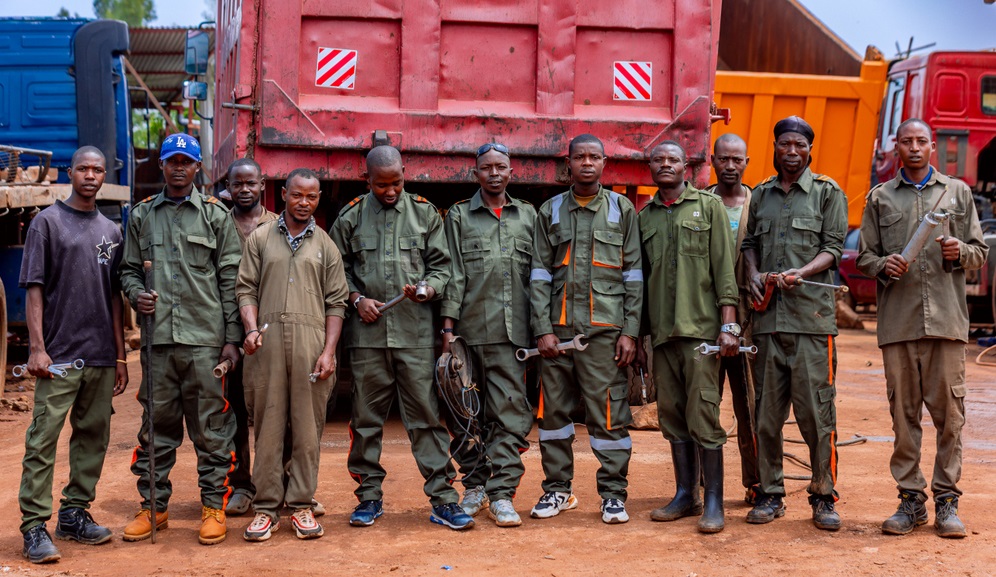
Former Iwawa Rehabilitation Center residents turned entrepreneurs, now leading a thriving cooperative after overcoming their past struggles with drugs