










































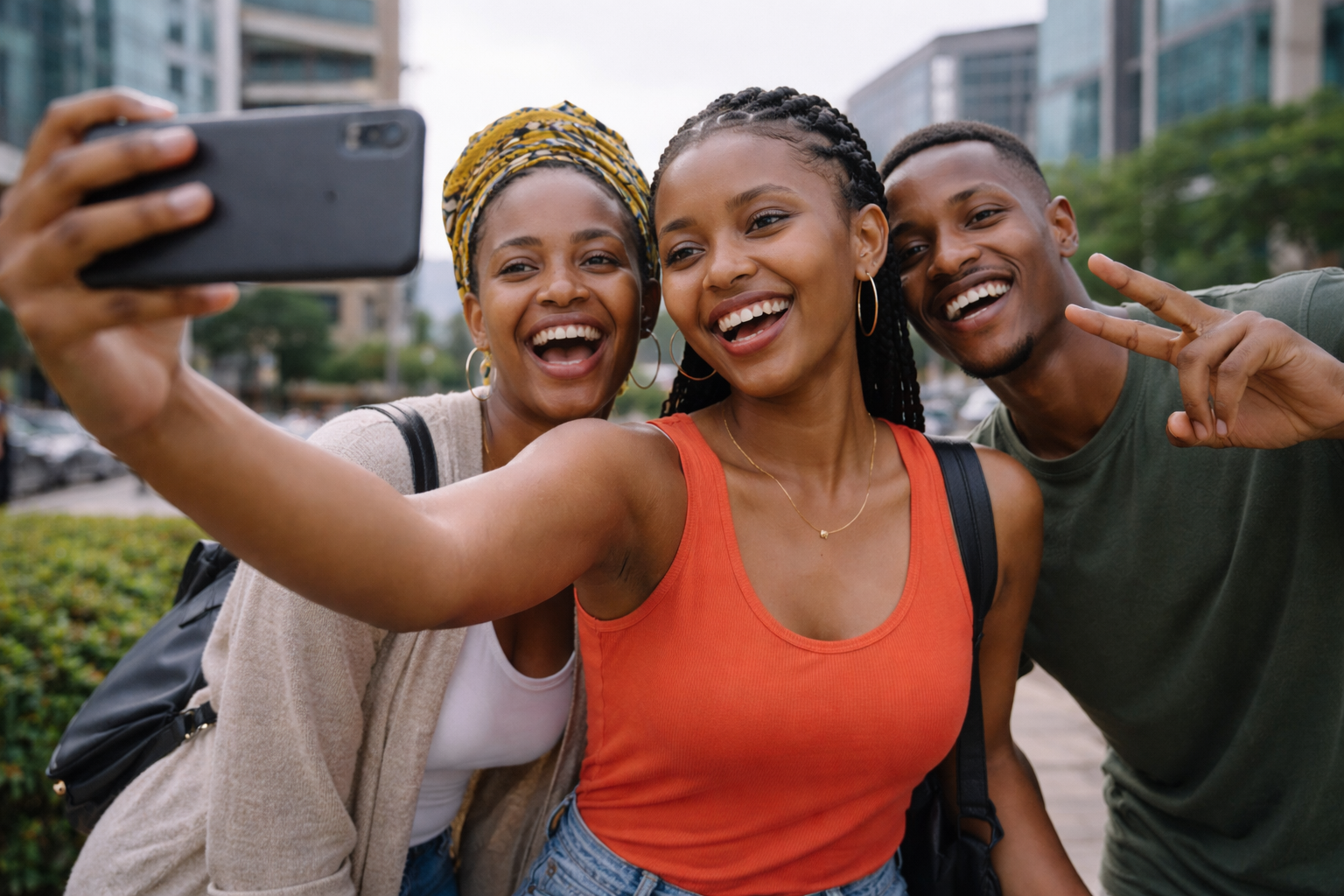
In today’s digital age, social media has become a significant part of our daily lives, especially for young people between the ages of 17 and 25. With apps like Instagram, TikTok, and Snapchat, it’s easy to get lost in a world where everyone’s life looks picture-perfect. But is it real? And how does this online world affect our self-image and confidence?
Social media can create a false sense of reality. We scroll through curated images of people living their “best lives” on perfect vacations, wearing trendy outfits, and seemingly having it all. But the truth is, most of what we see is heavily edited, staged, or the result of selective sharing. People usually post only their highlights, not the struggles, the bad days, or the behind-the-scenes moments.
However, this constant stream of perfection can lead to comparison. You might start feeling like you’re not living up to the same standards. Social media platforms are designed to make you feel like you’re missing out, which can lead to feelings of insecurity and low self-esteem. Comparing yourself to others online is a trap that too many fall into.
One of the reasons we’re so susceptible to this comparison culture is because of the algorithms that power social media. These algorithms are designed to show you more of what you engage with, making it easy to get stuck in a cycle of comparing yourself to idealized versions of others. The more you look at perfect photos or highlight reels, the more your feed will be filled with them.
But here’s the catch: these algorithms don’t show the whole picture. They only show what drives engagement which is often perfection. So, the more time you spend looking at these filtered lives, the more pressure you’ll feel to live up to them. It’s a vicious cycle that can feel overwhelming.
Reclaiming confidence: Stop the comparison
It’s time to break free from the comparison trap. Here’s how you can take control and start building confidence:
Unfollow accounts that don’t serve you
You don’t have to follow everyone you come across. Curate your social media experience by following accounts that inspire you, promote positivity, or focus on things that matter to you. If someone or something makes you feel bad about yourself, it’s okay to unfollow or mute them.
Remember, social media is just a snapshot
Understand that social media is a curated space. People post what they want you to see. Just because someone looks perfect online doesn’t mean they have a perfect life. Everyone has struggles and imperfections — and that’s okay.
Practice digital detox
Sometimes, the best thing for your mental health is to take a break from social media. Whether it’s a few hours or a few days, stepping away can help you reset your thoughts and regain a sense of perspective. Use this time to focus on real-life experiences, hobbies, or even self-care.
Focus on personal growth, not perfection
Instead of comparing yourself to others, shift the focus to personal development. Celebrate your own achievements, however big or small. Confidence comes from within, and building it starts by recognizing your unique qualities and strengths. Keep track of your goals, progress, and growth — not someone else’s.
Engage in real-life connections
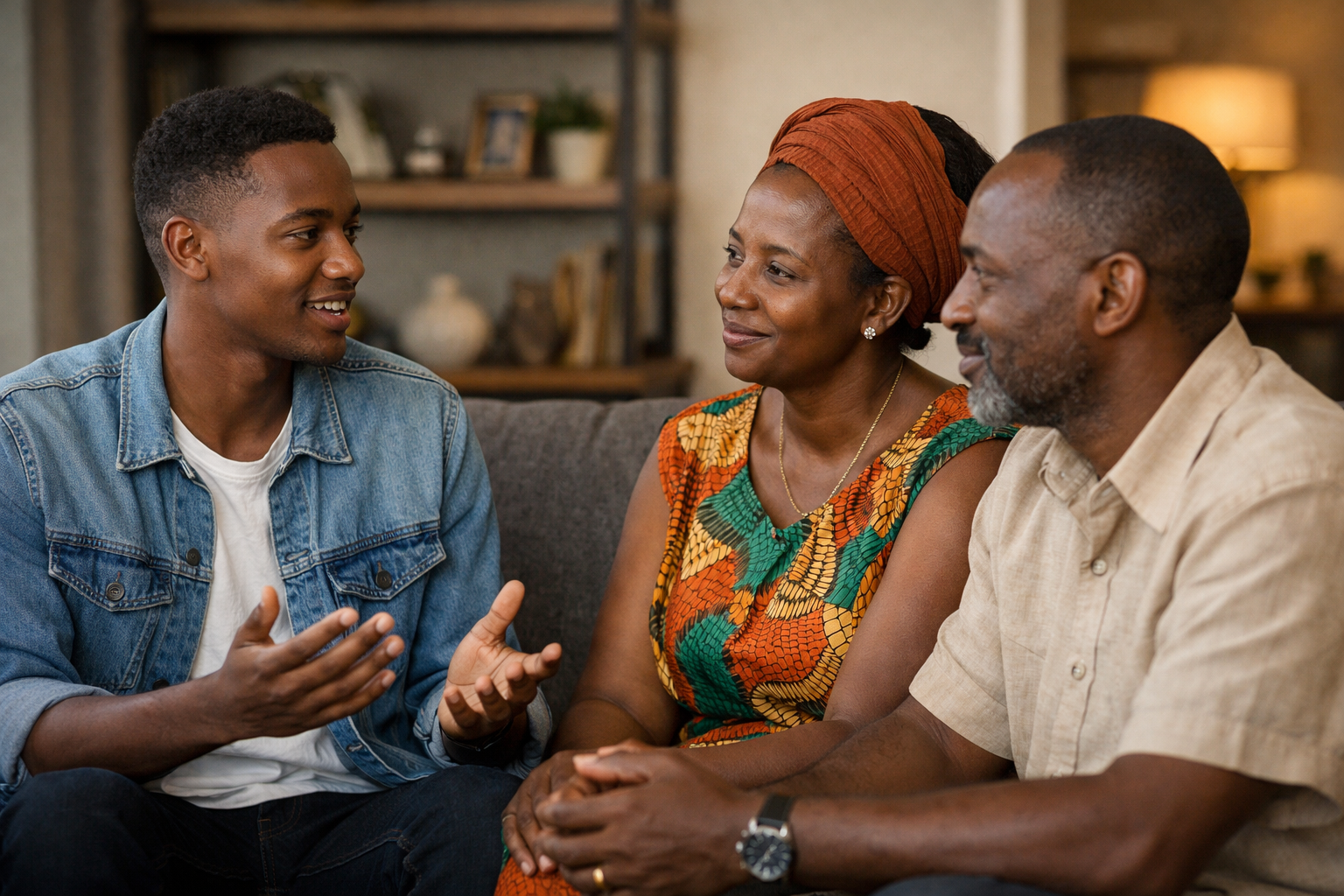
True confidence is built through genuine human connections. While online interactions are important, don’t forget to spend time with family, friends, and mentors in real life. Engaging with people face-to-face can help you feel grounded and remind you of your worth.
It’s essential to remember that your value is not defined by how many likes or followers you have. You are not just a number on a screen, and your worth is not tied to your online persona. Social media can be a great tool for inspiration, learning, and entertainment, but it shouldn’t dictate your self-worth or how you measure success.
In a world where digital pressure can easily take a toll on your mental health, it’s important to take a step back and prioritize self-love, self-acceptance, and personal growth. By stopping the comparison game, reclaiming your confidence, and recognizing the curated nature of social media, you can navigate the online world with a healthier mindset and build your confidence from the inside out.