Menstruation is the process in which blood flows from the uterus when pregnancy does not occur, bringing about various physical changes in the body.
The first menstrual period typically begins between the ages of 12 and 14, though it can start as early as 9 or 10, or as late as 16, depending on individual development.
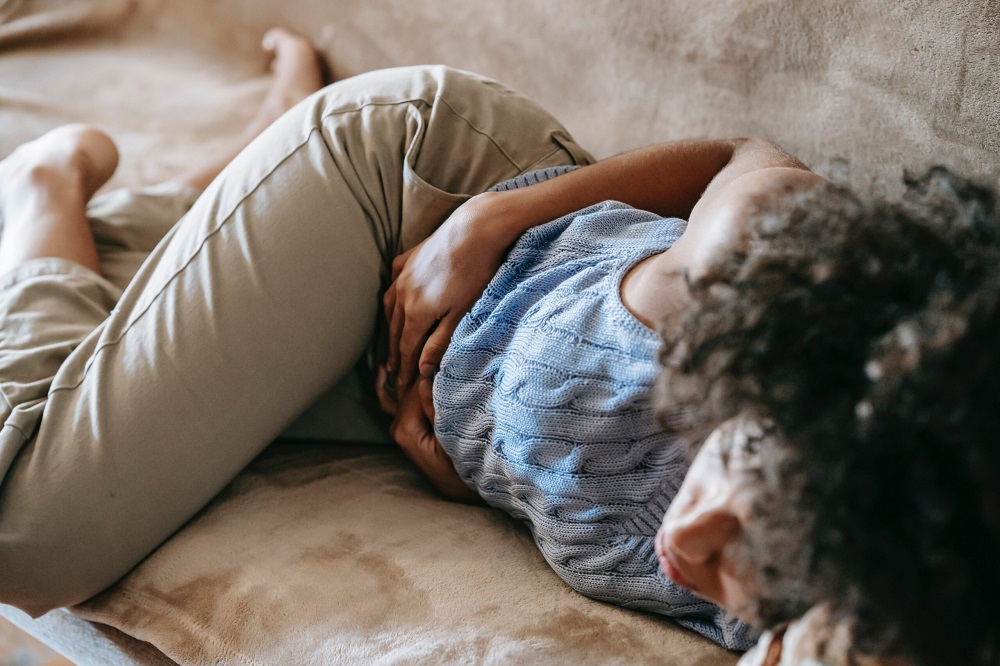
For a healthy woman, menstruation occurs every month. However, the changes it brings often make women anxious about these cycles, and for many, it is a source of discomfort or illness, preventing them from ever fully getting used to it.
Some experience symptoms such as vomiting, diarrhea, dizziness, skin irritation, and other signs, which vary from month to month, making the experience unpredictable.
According to Dr. Jen Gunter, a gynecologist and author of Blood: The Science, Medicine, and Mythology of Menstruation, menstruation indicates proper hormonal function and reflects a healthy reproductive system.
“When pregnancy does not occur, the unfertilized egg breaks down and is shed along with blood, marking the beginning of a new cycle,” she explains.
In her book, she notes that women may never completely adapt to menstruation, even though it occurs every month, because the body itself is always changing.
These internal shifts interact with the menstrual cycle, leading to different and often uncomfortable experiences each month.
The World Health Organization (WHO) emphasizes that women and girls need holistic care during menstruation.
This includes access to proper nutrition, education and awareness of their reproductive physiology, and support when they feel unwell during their periods.
The WHO website also notes that menstruation should be regarded as an important subject taught in schools, ensuring that everyone understands the nature and value of women’s health.
It also stresses the need to support young girls within their families and to ensure that those from vulnerable backgrounds have access to essential menstrual hygiene products without stigma.
