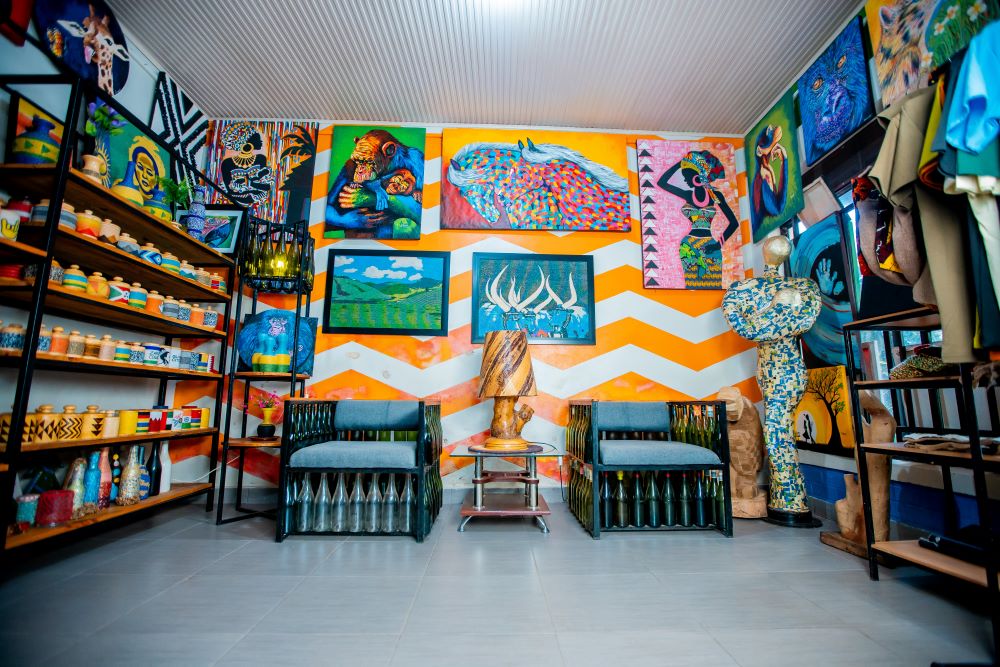
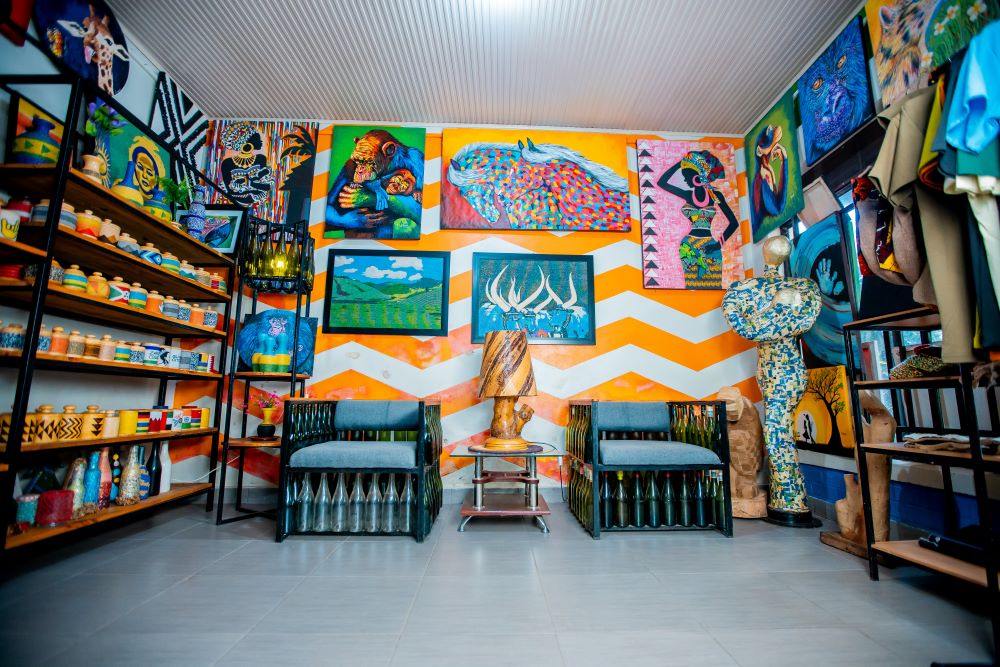
Inside a small creative space in Kigali, communication happens differently.
There are no limits created by silence. There are paintings that speak, beads that tell stories, fabrics that carry imagination, and handmade creations that reveal talents that once had few places to be seen.
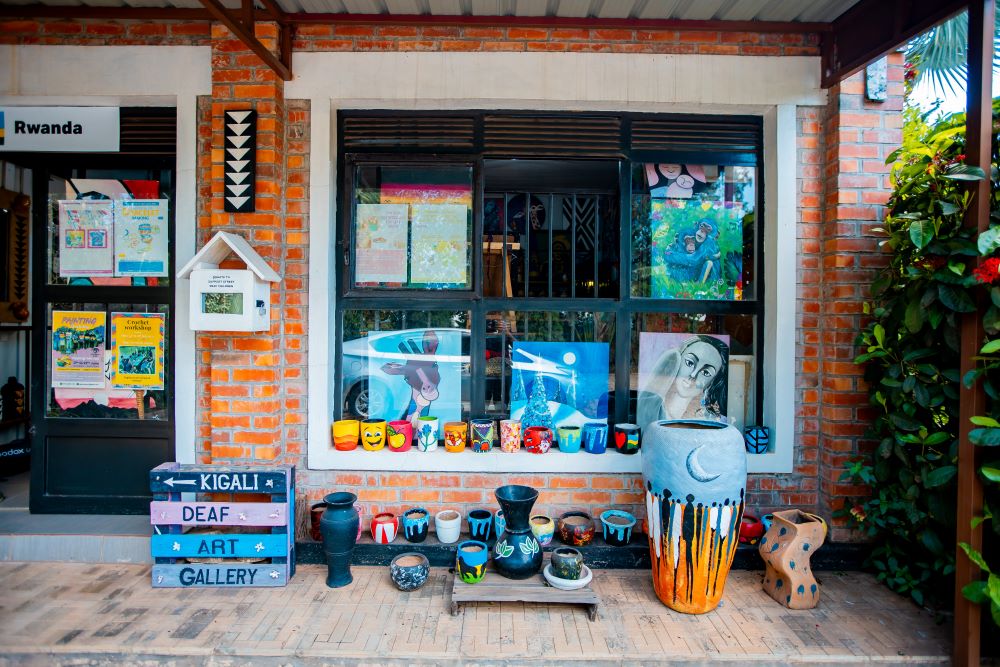
This is the story being written every day at Kigali Deaf Art Gallery, a creative hub where young people with hearing and speech disabilities are transforming their artistic abilities into skills, income, and independence.
Founded in 2019, the gallery has become a workplace where artists create different products, including paintings, beadwork, jewelry, fashion items, bags, and other handmade crafts. It currently brings together 14 young people with hearing and speech disabilities — nine men and five women — who use art as a tool for expression and economic empowerment.
For its founder, Nahimana Prince, the idea behind the gallery was never only about producing artwork.
It was about changing how society sees people with disabilities.
“I started the gallery so as to show that disabled persons have talents,” Nahimana said.
Nahimana’s own journey shaped the vision behind the gallery.
After studying art and industrial design at university in Uganda for three years, he returned to Rwanda in 2018 and began developing his artistic work before officially establishing the gallery.
As he interacted with other people with hearing and speech disabilities, he noticed that many had abilities but lacked platforms where they could develop and showcase them.
“They have different talents, but they face challenges because they do not have places where they can exhibit those talents and they find it difficult to communicate with others,” Nahimana explained.
That gap became the reason he decided to bring them together.
Through the gallery, Nahimana trains artists, helps them develop their skills, and creates an environment where they can see themselves as capable professionals.
“I wanted them to start working together, learn, and understand that they are also capable and can develop themselves,” he said.
At Kigali Deaf Art Gallery, art is not only about beauty—it is also about creating economic opportunities.
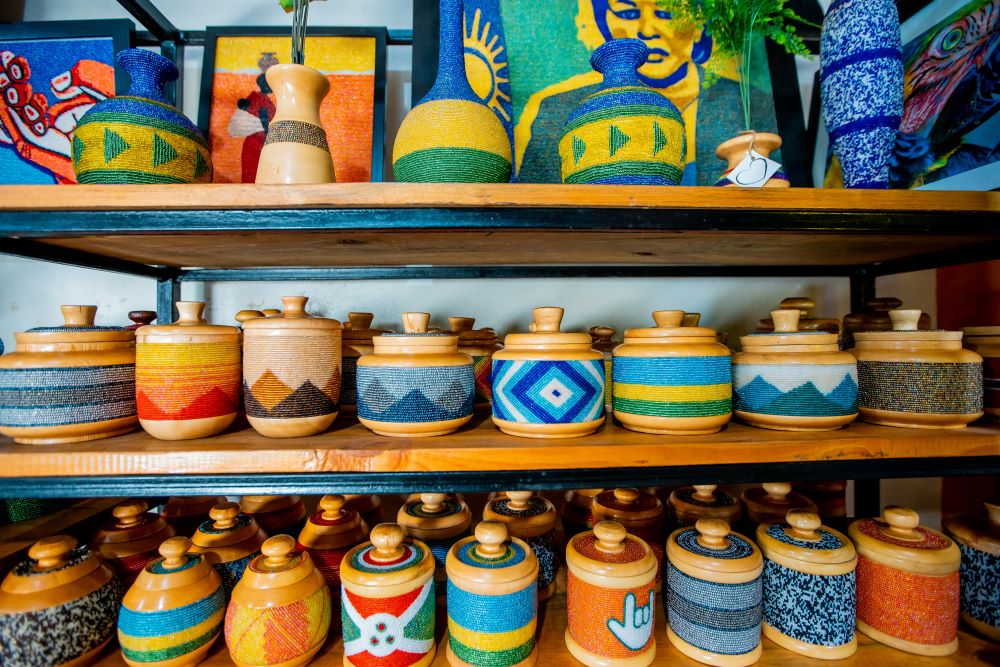
The artists produce a wide range of products, including paintings, drawings, sculptures, jewelry, fashion items, and crafts made from different materials. Some of the most detailed beadwork pieces can reach prices of more than one million Rwandan francs because of the cost of materials and the amount of work involved.
For Nahimana, every piece represents more than a product. It represents a person’s ability to contribute.
“The reason I chose to work with people with hearing and speech disabilities is because they have talents that match this kind of work,” he said.
For artists like Muhorakeye Hawa, the gallery became more than a workplace.
It became a place where she could develop her abilities while working alongside people who understood her experience.
Before joining Kigali Deaf Art Gallery, Hawa had studied tailoring in Uganda. However, she says the gallery helped her gain additional skills and improve her talent.
“When I arrived at Kigali Deaf Art Gallery, it became very easy for me. I was able to develop my talent because what they do matches the skills I already had,” she said.
For her, another important advantage was the working environment.
“The people I found there also have hearing and speech disabilities, so it became much easier for me,” Hawa explained.
That sense of belonging helped transform the workplace into a community where artists support each other.
A similar experience is shared by Ganza Eric, another artist working at the gallery.
Since joining Kigali Deaf Art Gallery, he says he has gained new knowledge and developed his abilities.
His story also reflects a wider message the gallery hopes to share: disability should not be seen as a barrier to achievement.
Nahimana believes families also have an important role in identifying and supporting children’s talents.
He encourages parents to look beyond disability and help children develop their abilities, noting that people who cannot hear or speak can still communicate and create through different forms, including writing and art.
While Kigali Deaf Art Gallery has already created opportunities for young artists, Nahimana sees a bigger future.
He hopes to expand the initiative across Rwanda and train more people with disabilities in art, painting, and sign language skills that can help them market and sell their products.
The long-term goal is not only to create artists but to create independent professionals.
For Nahimana, the gallery represents a simple belief: talent exists everywhere, but it needs opportunity.
In Kigali Deaf Art Gallery, young artists who were once overlooked are creating products that attract attention, generate income, and tell stories without needing spoken words.
Their art has become their language.
And through that language, they are showing that ability is not measured by what someone cannot do—but by what they are given the chance to create.
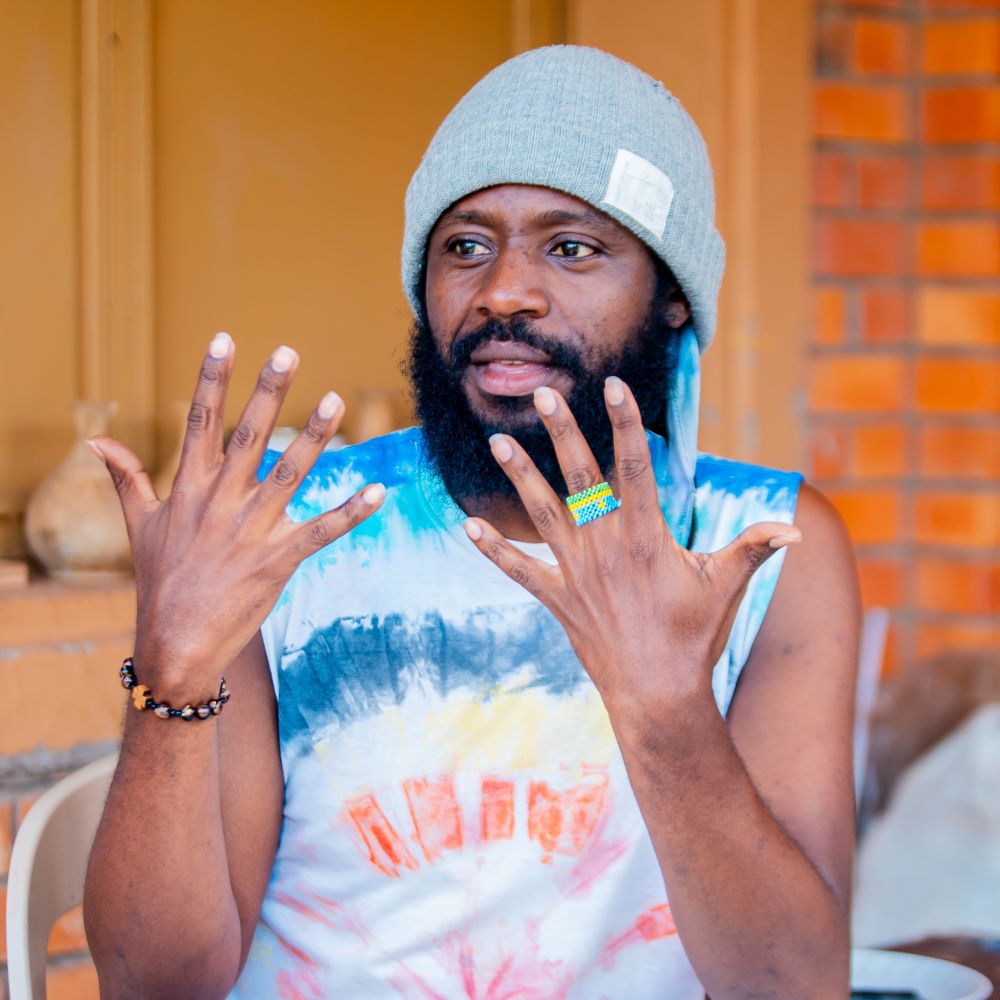
Since joining Kigali Deaf Art Gallery, Ganza has gained new knowledge and developed his abilities
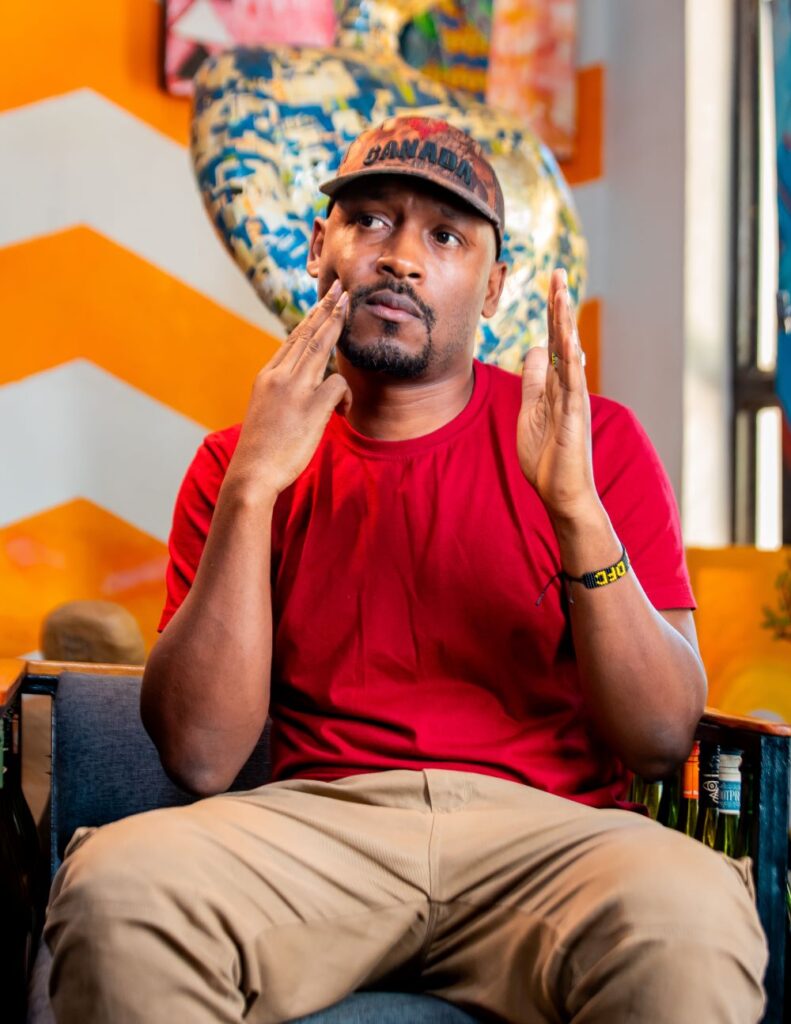
Nahimana’s own journey shaped the vision behind the gallery
